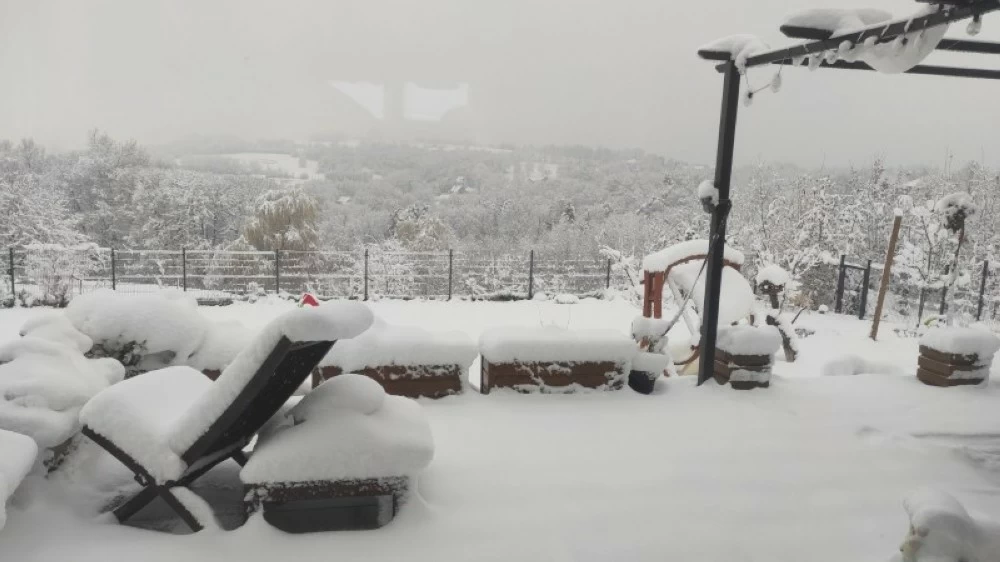
في أول أيام عام 2026، تحولت بولندا إلى لوحة بيضاء كاملة بعد اجتياح عاصفة ثلجية عنيفة البلاد، حيث أعلنت السلطات حالة طوارئ وطنية أو حالة كارثة طبيعية في بعض المناطق استجابة للتراكمات الثلجية القياسية التي شلت الحركة في معظم أنحاء البلاد.
بدأت العاصفة في الأيام الأخيرة من ديسمبر 2025، لكنها بلغت ذروتها في 31 ديسمبر واستمرت بقوة في 1 و2 يناير 2026، حيث سجلت بعض المناطق تراكم ثلوج يتجاوز 40 سم في المدن، وتصل إلى قرابة مترين في مناطق جبال تاترا الجنوبية.
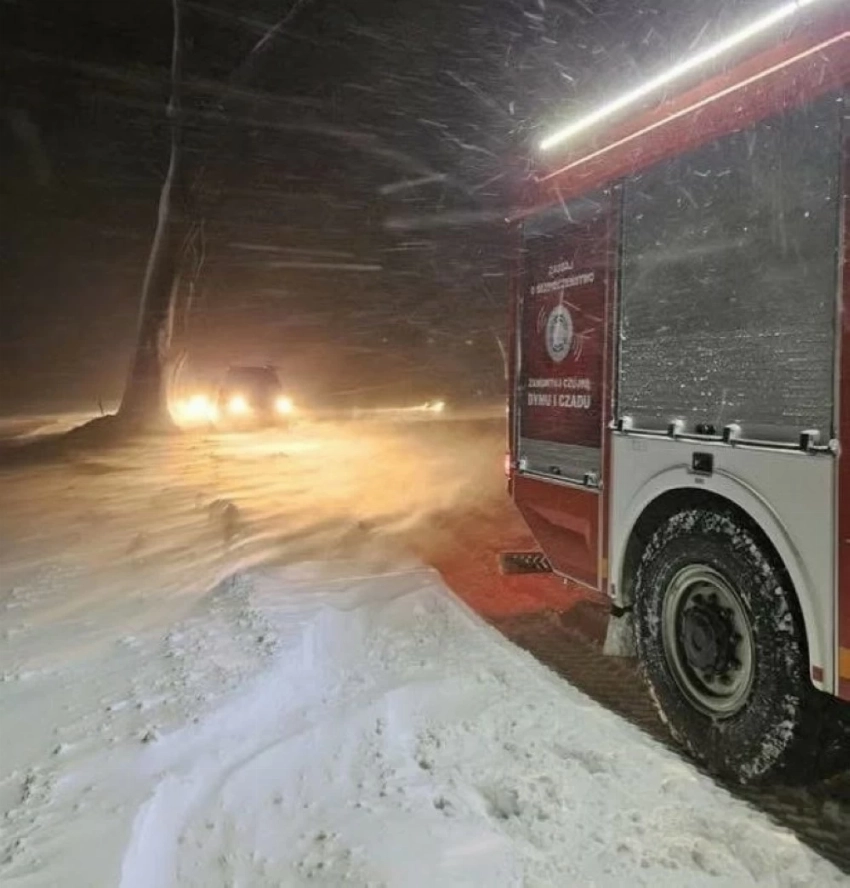
وأدى ذلك إلى شلل شبه تام في الحياة اليومية، مع انقطاعات كهرباء واسعة، تعطل حركة السكك الحديدية، وتكدس آلاف السيارات على الطرق السريعة لساعات طويلة.
وتسببت العاصفة الثلجية التي تضرب البلاد في إغلاق مؤقت لعدة مطارات رئيسية وإقليمية بما في ذلك تعطيلات في مطار وارسو وغدانسك وكراكوف، مع تحذيرات للمسافرين بتأجيل الرحلات أو التحقق من حالة الرحلات قبل التوجه إلى المطارات، وفي مطار شوبان في وارسو ومطار يوحنا بولس الثاني الدولي في كراكوف–باليتسه، أُلغي مئات الرحلات الجوية.
وكان التأثير الأكثر فورية ما شهده الطريقان السريعان A1 وA2، وهما الشريانان الرئيسيان لحركة المرور في البلاد، من اختناقات مرورية امتدت لعدة كيلومترات بسبب انزلاق الشاحنات ووضعية المقص التي عطلت المسارات.
ووجهت السلطات تحذيرات مشددة للمواطنين عبر وسائل الإعلام الرسمية ورسائل الطوارئ: «ابقوا في منازلكم قدر الإمكان»، و«تجنبوا الخروج إلا للضرورة القصوى»، مع نصائح بتجهيز سيارات الطوارئ ببطانيات ومجارف ووقود إضافي.
وشهدت بولندا في السنوات الأخيرة تقلبات جوية متزايدة الشدة بسبب التغير المناخي، مع عواصف ثلجية أكثر حدة وتراكمات غير معتادة حتى في المناطق المنخفضة.
وجاءت العاصفة الحالية التي وصفتها بعض التقارير بـ«عاصفة 2026 الكبرى» بعد نظام ضغط منخفض قوي استقر فوق وسط أوروبا، وهي تُعد من أشد العواصف الثلجية في بداية العام منذ سنوات.
On the first days of 2026, Poland turned into a complete white canvas after a violent snowstorm swept through the country, with authorities declaring a national emergency or a natural disaster in some areas in response to the record snow accumulations that paralyzed movement across most of the country.
The storm began in the last days of December 2025, but peaked on December 31 and continued strongly on January 1 and 2, 2026, with some areas recording snow accumulations exceeding 40 cm in cities, reaching nearly two meters in the southern Tatra Mountains.
This led to a near-complete paralysis of daily life, with widespread power outages, disruptions to rail traffic, and thousands of cars stranded on highways for long hours.
The snowstorm hitting the country caused temporary closures of several major and regional airports, including disruptions at Warsaw, Gdańsk, and Kraków airports, with warnings to travelers to postpone flights or check flight statuses before heading to the airports. At Chopin Airport in Warsaw and John Paul II International Airport in Kraków-Balice, hundreds of flights were canceled.
The most immediate impact was seen on the A1 and A2 highways, the main arteries for traffic in the country, which experienced traffic jams stretching for several kilometers due to truck slides and jackknife situations that blocked lanes.
Authorities issued strict warnings to citizens through official media and emergency messages: "Stay home as much as possible," and "Avoid going out unless absolutely necessary," with advice to equip emergency vehicles with blankets, shovels, and extra fuel.
Poland has witnessed increasingly severe weather fluctuations in recent years due to climate change, with harsher snowstorms and unusual accumulations even in low-lying areas.
The current storm, described by some reports as the "Great Storm of 2026," followed a strong low-pressure system that settled over Central Europe, and is considered one of the most severe snowstorms at the beginning of the year in years.