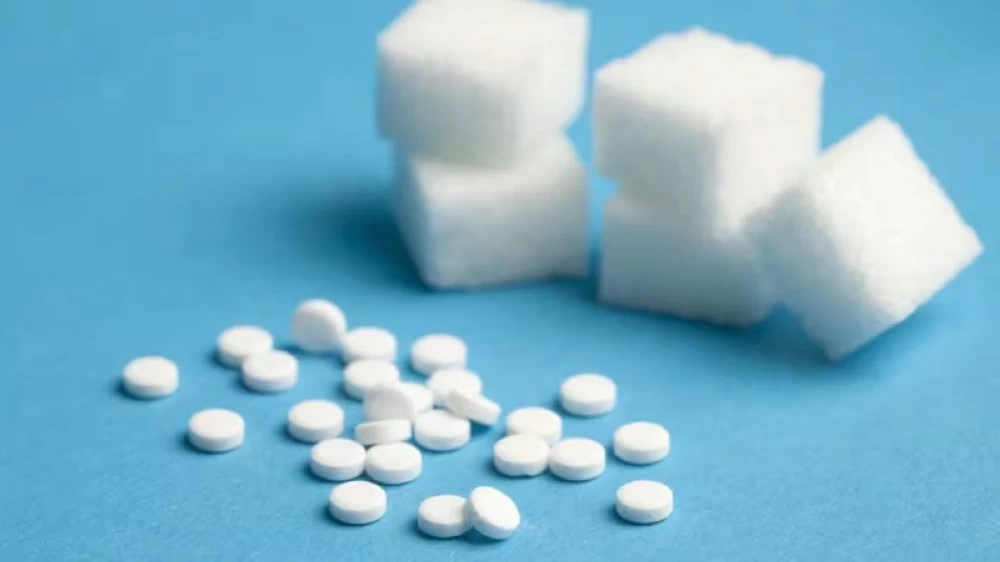
كشفت دراسة علمية حديثة آثارا مقلقة للمحليات الصناعية على وظائف القلب والدماغ، مشيرة إلى أن الاستهلاك المطول لمادة الأسبارتام — أحد أكثر المحليات الصناعية شيوعاً — قد يؤدي إلى تغيرات فسيولوجية ضارة، رغم دوره المعروف في تقليل تراكم الدهون. ووفقاً للباحثين من مؤسسة CIC biomaGUNE ومعهد Biogipuzkoa HRI، فقد أجريت الدراسة على مدار عام كامل، حيث تم إعطاء الفئران جرعات منخفضة جداً من الأسبارتام تعادل سدس الحد الأقصى الموصى به يومياً للاستهلاك البشري، ما يعكس واقعية التجربة ويمنحها بعداً تطبيقياً مهماً.
ويستخدم الأسبارتام على نطاق واسع في المنتجات الغذائية «قليلة السعرات»، مثل المشروبات الغازية المحلاة والعلكة والمخبوزات، لما يمتاز به من حلاوة تفوق السكروز بمئتي مرة، إلا أن آثاره طويلة الأمد لا تزال مثار جدل علمي. وقد أظهرت نتائج الدراسة أن استهلاكه أدى إلى خفض تراكم الدهون في الجسم بنسبة 20%، لكن بالمقابل لوحظت تغيرات بنيوية ووظيفية في عضلة القلب، إضافة إلى تراجع في الأداء الإدراكي للفئران، وهو ما يثير القلق بشأن التأثيرات الجانبية المحتملة لهذه المادة على صحة الإنسان، خصوصا عند الاستخدام المزمن.
وأكد الباحثون أن التجربة كشفت آثارا لم تُوصف سابقاً، ويرجع ذلك إلى طول مدة المراقبة وشمولية التحاليل المستخدمة، حيث استعان الفريق بتقنيات تصوير متقدمة مثل التصوير بالرنين المغناطيسي الوظيفي، والتصوير الجزيئي PET، بالإضافة إلى تحاليل طيف الدماغ والكبد، واختبارات سلوكية ومعرفية دقيقة. وتندرج هذه الدراسة ضمن مشروع بحثي أوسع يسعى إلى فهم تأثير مكونات الغذاء على وظائف الأعضاء في حالات الصحة والمرض، بهدف تقديم رؤى أدق حول السلامة الغذائية وتوجيه السياسات الصحية العامة.
وأوضحت الدراسة أن استهلاك الأسبارتام حتى عند جرعات تقل كثيراً عن الحد الأقصى الموصى به قد تكون له تداعيات غير متوقعة، ما يدعو إلى مراجعة الإرشادات الحالية المتعلقة بهذه المادة. وأشارت إلى ضرورة إجراء المزيد من الدراسات طويلة الأمد على البشر لتقييم التأثيرات المحتملة بدقة أكبر، خصوصا في ظل الانتشار الواسع لاستخدام المحليات الصناعية في الأنظمة الغذائية الحديثة.
A recent scientific study has revealed concerning effects of artificial sweeteners on heart and brain functions, indicating that prolonged consumption of aspartame — one of the most common artificial sweeteners — may lead to harmful physiological changes, despite its known role in reducing fat accumulation. According to researchers from the CIC biomaGUNE Foundation and the Biogipuzkoa HRI Institute, the study was conducted over a full year, during which rats were given very low doses of aspartame equivalent to one-sixth of the maximum recommended daily intake for human consumption, reflecting the realism of the experiment and providing it with an important practical dimension.
Aspartame is widely used in "low-calorie" food products, such as sweetened soft drinks, gum, and baked goods, due to its sweetness being two hundred times greater than sucrose; however, its long-term effects remain a subject of scientific debate. The study's results showed that its consumption led to a 20% reduction in body fat accumulation, but conversely, structural and functional changes were observed in the heart muscle, along with a decline in cognitive performance in the rats, raising concerns about the potential side effects of this substance on human health, especially with chronic use.
The researchers confirmed that the experiment revealed previously unreported effects, attributed to the long duration of monitoring and the comprehensiveness of the analyses used. The team employed advanced imaging techniques such as functional magnetic resonance imaging, PET molecular imaging, in addition to brain and liver spectral analyses, and precise behavioral and cognitive tests. This study is part of a broader research project aimed at understanding the impact of food components on organ functions in health and disease, with the goal of providing more accurate insights into food safety and guiding public health policies.
The study indicated that consuming aspartame, even at doses much lower than the recommended maximum, may have unexpected repercussions, prompting a review of current guidelines regarding this substance. It emphasized the need for more long-term studies on humans to more accurately assess potential effects, especially in light of the widespread use of artificial sweeteners in modern diets.