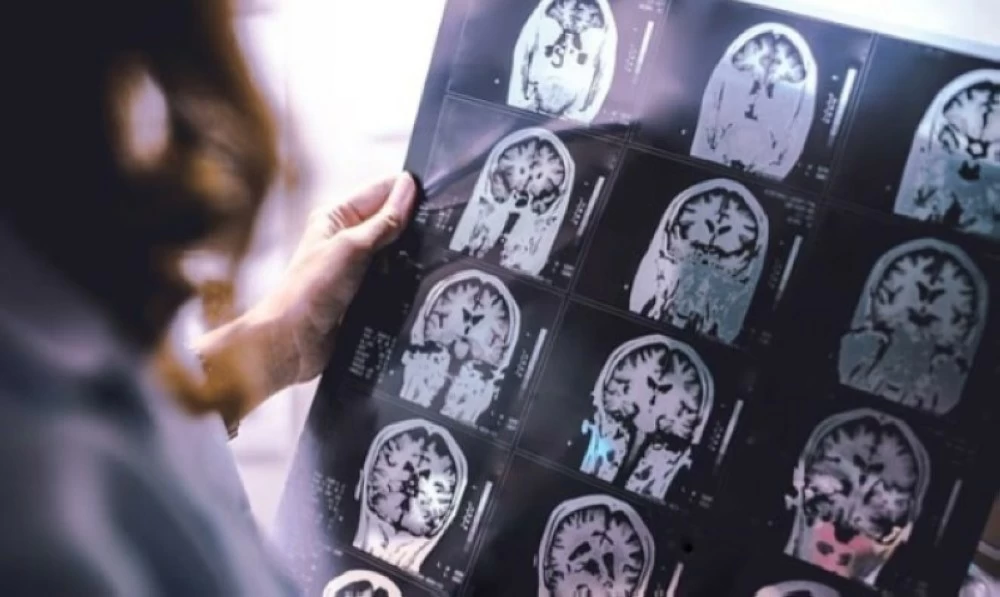
في نظرة تفاؤلية، أعلن باحثون بريطانيون أن علاجاً شافياً لمرض الزهايمر قد يكون ممكناً يوماً ما، مع توقعات بظهور علاجات تغير الحياة جذرياً خلال الخمس إلى العشر سنوات القادمة، مؤكدين أن هذا التفاؤل يأتي وسط تقدم سريع في أبحاث الخرف، إذ لم يعد المرض يُنظر إليه كجزء حتمي من الشيخوخة، بل كحالة يمكن علاجها، منعها، وحتى الشفاء منها.
مليون بريطاني مُصابون بالخرف
وبحسب صحيفة «ديلي ميل»، يصيب الخرف نحو مليون شخص في بريطانيا، معظمها حالات زهايمر، ومن المتوقع ارتفاع الأرقام بشكل كبير خلال العقد القادم.
وفي تصريحات لهيئة الإذاعة البريطانية «بي بي سي» قال علماء في جامعة إدنبرة: كانت العلاجات سابقاً محدودة بتخفيف الأعراض فقط، لكنه من الممكن المضي قدماً في إيقاف تطور مرض الزهايمر، ومنع ظهوره، وعلى مدى فترة زمنية أطول يمكن علاج الأشخاص الذين بدأت تظهر عليهم الأعراض بالفعل.
تفاؤل علمي غير مسبوق
وقالت الباحثة في جامعة إدنبرة الدكتورة كلير دورانت: «هناك تفاؤل حقيقي الآن في المجال، والأدلة تشير إلى أنه مرض، ونعلم من التجارب السابقة أن الأمراض يمكن علاجها». وأضافت أنه لا دليل حالياً على أن الزهايمر جزء لا يتجزأ من الطبيعة البشرية.
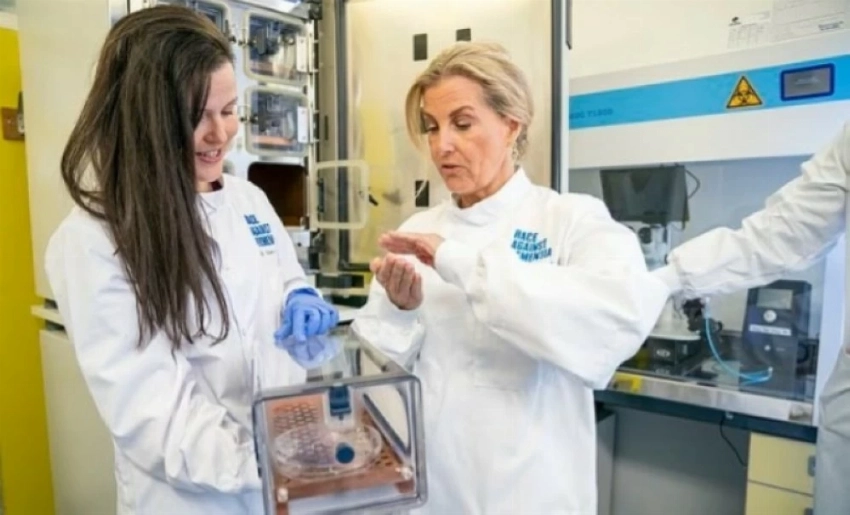
وتعمل دورانت، مع نسيج دماغي حي يُؤخذ من عمليات جراحية لإزالة أورام، إذ يُتبرع به المرضى كـ«هدية ثمينة» في أسوأ أيامهم، يُنقل النسيج فوراً إلى المختبر خلال ساعتين، يُقطع إلى شرائح رفيعة جداً (أرق من شعرة الإنسان)، ويُحفظ حياً باستخدام سوائل مؤكسجة، ويُعرض النسيج للبروتينات السامة المرتبطة بالزهايمر (أميلويد وتاو)، لمراقبة تلف الوصلات العصبية وكيفية منعه.
وأعربت دورانت عن أملها قائلة: «هذه مشكلة يمكن حلها، لم أرَ هذا القدر من الأمل في أبحاث الزهايمر من قبل، وهناك الكثير لنتطلع إليه، أنا متفائلة بأن نرى تغييراً ذا معنى في حياتي».
علاجات توقف تقدم المرض قريباً
في سياق متصل، تشاطرها التفاؤل مديرة مركز علوم اكتشاف الدماغ في جامعة إدنبرة البروفيسورة تارا سبايرز-جونز، التي قالت: «إن الاختراقات الأخيرة غيرت النظرة للمرضى، أنا متفائلة جداً بأننا سنحصل قريباً على علاجات تبطئ أو توقف تقدم المرض بشكل ملحوظ، وفي المدى الطويل نمنع الخرف تماماً، وربما نصل إلى علاج للمصابين»، كما أشارت إلى أن العلاجات المستقبلية ستجمع إستراتيجيات متعددة.
وأضافت البروفيسورة جون أن الأهم من ذلك، أن وصول ليكانيماب ودونانيماب، وهما أول دواءين معدلين للمرض -واللذان يبطئان من تطور مرض الزهايمر بدلاً من مجرد علاج الأعراض- قد غير ثقافة أبحاث الخرف وساهم في تسريع الأبحاث وزيادة التمويل وجذب الخبراء.
وأكدت البروفيسورة فيونا كاراغر من جمعية الزهايمر: «كنا نشعر بقلة الأمل، لكن ذلك يتغير الآن مع اقتراب اختراقات هائلة، نفهم المرض يوماً بعد يوم، وتُطور علاجات تبطئ التقدم، يمكننا أخيراً الثقة بأن الأبحاث ستثمر، وسنتغلب على الخرف».
In an optimistic outlook, British researchers announced that a cure for Alzheimer's disease may one day be possible, with expectations for life-changing treatments to emerge radically within the next five to ten years, emphasizing that this optimism comes amid rapid advancements in dementia research, as the disease is no longer viewed as an inevitable part of aging, but rather as a condition that can be treated, prevented, and even cured.
One Million Britons Affected by Dementia
According to the Daily Mail, dementia affects around one million people in Britain, most of which are Alzheimer's cases, and the numbers are expected to rise significantly over the next decade.
In statements to the BBC, scientists at the University of Edinburgh said: Previously, treatments were limited to alleviating symptoms only, but it is possible to move forward in stopping the progression of Alzheimer's disease and preventing its onset, and over a longer period, it is possible to treat individuals who are already showing symptoms.
Unprecedented Scientific Optimism
Dr. Claire Durant, a researcher at the University of Edinburgh, stated: "There is real optimism now in the field, and the evidence suggests that it is a disease, and we know from past trials that diseases can be treated." She added that there is currently no evidence that Alzheimer's is an integral part of human nature.
Durant works with live brain tissue taken from surgical procedures to remove tumors, as patients donate it as a "precious gift" on their worst days. The tissue is immediately transported to the lab within two hours, sliced into very thin sections (thinner than a human hair), and kept alive using oxygenated fluids. The tissue is exposed to the toxic proteins associated with Alzheimer's (amyloid and tau) to monitor nerve connection damage and how to prevent it.
Durant expressed her hope, saying: "This is a problem that can be solved; I have never seen this level of hope in Alzheimer's research before, and there is so much to look forward to. I am optimistic that we will see meaningful change in my lifetime."
Treatments to Halt Disease Progression Soon
In a related context, Professor Tara Spires-Jones, director of the Center for Discovery Brain Sciences at the University of Edinburgh, shares this optimism, stating: "Recent breakthroughs have changed the outlook for patients. I am very optimistic that we will soon have treatments that significantly slow or halt disease progression, and in the long term, completely prevent dementia, and perhaps even find a cure for those affected." She also noted that future treatments will combine multiple strategies.
Professor Jones added that more importantly, the arrival of lecanemab and donanemab, the first two disease-modifying drugs—which slow the progression of Alzheimer's rather than just treating symptoms—has changed the culture of dementia research and contributed to accelerating research, increasing funding, and attracting experts.
Professor Fiona Carragher from the Alzheimer’s Society confirmed: "We used to feel a lack of hope, but that is changing now with the approach of significant breakthroughs. We understand the disease more each day, and treatments that slow progression are being developed. We can finally trust that research will bear fruit, and we will overcome dementia."