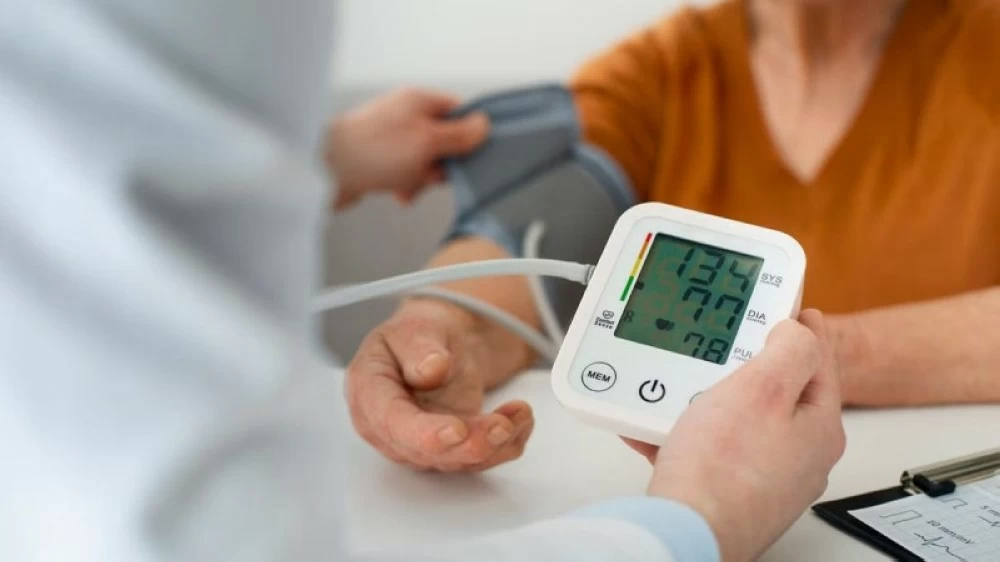
كشف أطباء أن البرودة التي تحل مع قدوم موسم الشتاء تحمل مخاطر صحية خفية، خصوصاً على صحة القلب والأوعية الدموية، ويُعد ارتفاع ضغط الدم أحد أبرز المشكلات الشائعة في الأشهر الباردة، ما يرفع خطر الإصابة بنوبات قلبية أو سكتات دماغية.
وفقاً للمدير المشارك في الطب الباطني بمستشفى سي كي بيرلا في جورجاون الدكتور توشار تايال، فإن الطقس البارد يؤثر مباشرة على الجسم، ما يجعل السيطرة على ضغط الدم أمراً حيوياً.
لماذا يرتفع ضغط الدم في الشتاء؟
ويوضح الدكتور تايال لموقع «only my health» أن انخفاض درجات الحرارة يؤدي إلى تضيُّق الأوعية الدموية (عملية تُعرف بـ«الانقباض الوعائي») للحفاظ على حرارة الجسم، هذا التضيُّق يجبر القلب على بذل جهد أكبر لضخ الدم، ما يرفع ضغط الدم.
وأضاف: «كما تحدث تغييرات هرمونية، مثل زيادة إفراز الأدرينالين، إضافة إلى قلّة النشاط البدني، وتناول أطعمة مالحة أكثر، والتوتر الموسمي، كلها عوامل تساهم في هذا الارتفاع، أما لدى مرضى ارتفاع ضغط الدم المزمن، فإن البرد يزيد من نشاط الجهاز العصبي الودي، ما يسرع نبض القلب ويضع عبئاً إضافياً عليه، خصوصاً لدى كبار السن أو أصحاب الشرايين المتيبسة».
هل يهدد الشتاء صحة القلب عموماً؟
يُشير الدكتور تايال، إلى أن الشتاء يرتبط بزيادة حالات النوبات القلبية، والسكتات الدماغية، وفشل القلب، كمايساهم ارتفاع ضغط الدم، مع زيادة لزوجة الدم بسبب الجفاف الخفيف، وقلة الحركة، وزيادة الوزن، في تعزيز هذه المخاطر، كما يؤكد أن كبار السن ومرضى القلب هم الأكثر عرضة لهذا «الضغط الموسمي».
أما عن أفضل المناخات لمرضى ارتفاع ضغط الدم، فيفضل الدكتور تايال المناخ المعتدل غير الشديد الحرارة أو البرودة، إذ يحافظ على استرخاء الأوعية الدموية ويقلل من التقلبات المفاجئة في الضغط.
نصائح للسيطرة على ضغط الدم في الشتاء
يقدم الدكتور تايال نصائح عملية للحفاظ على ضغط الدم تحت السيطرة خلال البرد:
• ارتدِ ملابس دافئة تغطي الرأس والأذنين واليدين لتجنب تضيُّق الأوعية المفاجئ.
• مارس النشاط البدني يومياً، حتى لو كان مشياً قصيراً داخل المنزل أو خارجه، للحفاظ على مرونة الأوعية.
• قلل من الأطعمة عالية الملح مثل الحساء المعلب والمخللات والوجبات السريعة.
• اشرب كميات كافية من الماء، فالجفاف يزيد من لزوجة الدم ويرفع الضغط.
• قم بقياس ضغط الدم بانتظام، خصوصاً صباحاً عندما يكون أعلى.
• تجنب الخروج المفاجئ إلى البرد بعد الاستيقاظ أو الاستحمام.
• التزم بالأدوية الموصوفة دون انقطاع، حتى في أيام العطلات.
Doctors have revealed that the cold that comes with the winter season carries hidden health risks, especially for heart and vascular health. High blood pressure is one of the most common issues during the cold months, increasing the risk of heart attacks or strokes.
According to Dr. Tushar Tyagi, co-director of internal medicine at CK Birla Hospital in Gurgaon, cold weather directly affects the body, making blood pressure management vital.
Why does blood pressure rise in winter?
Dr. Tyagi explains to "only my health" that lower temperatures lead to the narrowing of blood vessels (a process known as "vasoconstriction") to maintain body heat. This narrowing forces the heart to work harder to pump blood, raising blood pressure.
He added, "Hormonal changes also occur, such as increased adrenaline secretion, along with reduced physical activity, higher intake of salty foods, and seasonal stress, all of which contribute to this rise. For patients with chronic high blood pressure, the cold increases sympathetic nervous system activity, which speeds up the heart rate and adds extra strain, especially in the elderly or those with stiff arteries."
Does winter threaten heart health in general?
Dr. Tyagi points out that winter is associated with an increase in cases of heart attacks, strokes, and heart failure. Additionally, high blood pressure, combined with increased blood viscosity due to mild dehydration, reduced activity, and weight gain, enhances these risks. He emphasizes that the elderly and heart patients are the most vulnerable to this "seasonal pressure."
As for the best climates for patients with high blood pressure, Dr. Tyagi prefers a moderate climate that is neither too hot nor too cold, as it helps keep blood vessels relaxed and reduces sudden fluctuations in pressure.
Tips for controlling blood pressure in winter
Dr. Tyagi offers practical advice for keeping blood pressure under control during the cold:
• Wear warm clothing that covers the head, ears, and hands to avoid sudden vessel narrowing.
• Engage in physical activity daily, even if it's a short walk inside or outside the home, to maintain vessel flexibility.
• Reduce high-salt foods such as canned soups, pickles, and fast food.
• Drink enough water, as dehydration increases blood viscosity and raises pressure.
• Measure blood pressure regularly, especially in the morning when it tends to be higher.
• Avoid sudden exposure to the cold after waking up or showering.
• Adhere to prescribed medications without interruption, even on holidays.