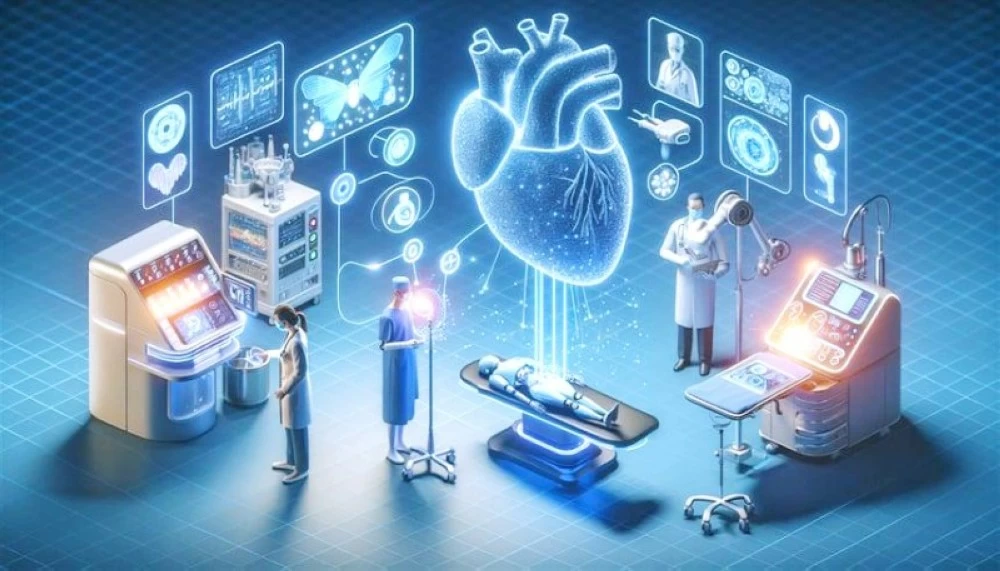
شهد الذكاء الاصطناعي في 2025 تقدّماً غير مسبوق في المجال الطبي، إذ قادت تقنيات جديدة عبر بيانات وتحليلات متقدمة إلى اختراقات مهمة في علاج الأمراض المعقدة، وتحسين التشخيص، والتفاعل بين التكنولوجيا والجسم البشري، ما أسهم في إعادة رسم ملامح الرعاية الصحية، وفقاً لما ورد في «24ae». وتتمثل إحدى النقاط المحورية في استخدام الذكاء الاصطناعي في البحث عن علاجات أفضل للسرطان، لا سيما عبر تحليل البيانات الجينية وارتباطها باستجابة الجسم للأدوية، ما أدّى إلى نتائج واعدة في جرعات أقل من الأدوية المناعية، مثل إيبيليموماب لعلاج سرطان الجلد. كما ساعدت الأدوات الذكية في إدارة البيانات المرضية وتصنيفها بسرعة ودقة أعلى، ما قلّص زمن التشخيص ورفع فرص العلاج المبكر. واحدة من أهم النقاط في 2025، كانت تطوير غرسات عصبية تُمكّن من توصيل الدماغ بالحاسوب، طوّرها باحثون في كل من جامعة كولومبيا، ومستشفى نيويورك بريسبيتيريان، وجامعة ستانفورد، وجامعة بنسلفانيا. وتعتمد هذه التقنية على شريحة سيليكون تُغرس في الدماغ لإنشاء اتصال لاسلكي عالي النطاق بين الدماغ وأجهزة الكمبيوتر، ما يمكّن من تحسين التواصل العصبي وعلاج حالات مثل الصرع، وإصابات الحبل الشوكي، والتصلب الجانبي الضموري، والسكتة الدماغية، فضلاً عن الإمكانات المستقبلية لعلاج العمى وفقدان الحركة.
كما قدّم الذكاء الاصطناعي دعماً كبيراً في مجالات أخرى، تشمل علاج الأمراض الأيضية مثل السكري، والكشف عن جزيئات تُحسّن حساسية الإنسولين، والبحث عن علاجات جديدة لأمراض الكبد، إضافة إلى تقدم ملحوظ في علم الأعصاب من خلال كشف محفزات جديدة للخرف واقتراح رؤى للعلاجات المستقبلية للصرع. ويُعد هذا التقدم الطبي، المدعوم بالذكاء الاصطناعي، خطوة نوعية على طريق دمج البيانات الواسعة، والتحليل الذكي، والتقنيات العصبية الحيوية لتقديم حلول صحية أسرع وأكثر فعالية، متجاوزاً الحواجز التقليدية في التشخيص والعلاج.
In 2025, artificial intelligence witnessed unprecedented advancements in the medical field, as new technologies through advanced data and analytics led to significant breakthroughs in treating complex diseases, improving diagnostics, and enhancing the interaction between technology and the human body, which contributed to reshaping the landscape of healthcare, according to what was reported by "24ae". One of the focal points was the use of artificial intelligence in the search for better cancer treatments, particularly through the analysis of genetic data and its correlation with the body's response to medications, resulting in promising outcomes with lower doses of immunotherapies, such as ipilimumab for treating skin cancer. Smart tools also aided in managing and classifying medical data more quickly and accurately, reducing diagnosis time and increasing chances for early treatment. One of the most important developments in 2025 was the creation of neural implants that enable brain-computer connectivity, developed by researchers at Columbia University, NewYork-Presbyterian Hospital, Stanford University, and the University of Pennsylvania. This technology relies on a silicon chip implanted in the brain to create a high-bandwidth wireless connection between the brain and computers, allowing for improved neural communication and treatment of conditions such as epilepsy, spinal cord injuries, amyotrophic lateral sclerosis, and stroke, as well as future potential for treating blindness and loss of movement.
Artificial intelligence also provided significant support in other areas, including the treatment of metabolic diseases such as diabetes, the detection of molecules that improve insulin sensitivity, and the search for new treatments for liver diseases, along with notable advancements in neuroscience through the discovery of new triggers for dementia and proposing insights for future treatments for epilepsy. This medical advancement, supported by artificial intelligence, represents a qualitative leap towards integrating vast data, intelligent analysis, and neurobiological technologies to provide faster and more effective health solutions, surpassing traditional barriers in diagnosis and treatment.