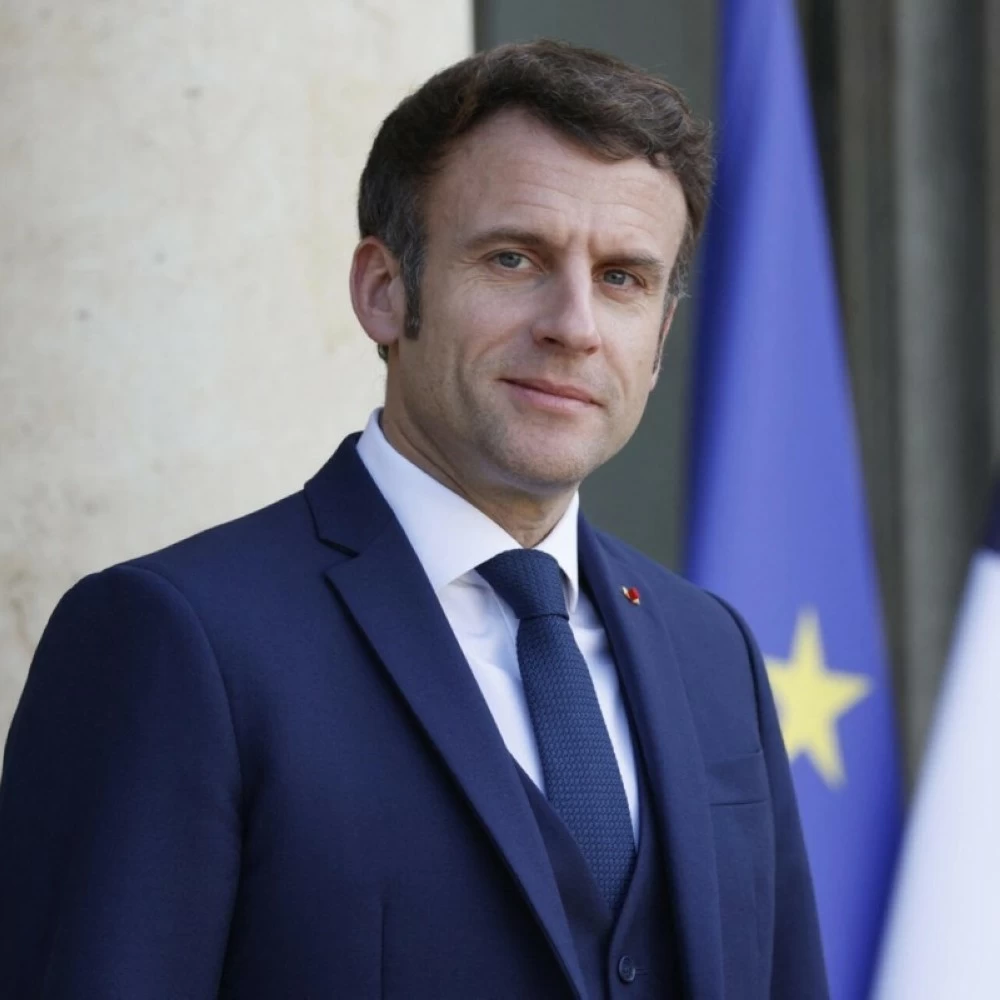
موجة من الذعر اجتاحت مواقع التواصل الاجتماعي الناطقة بالفرنسية، بعد انتشار مقطع فيديو مزيف زعم وقوع انقلاب عسكري في فرنسا والإطاحة بالرئيس إيمانويل ماكرون. الفيديو، الذي تم إنتاجه بالكامل بتقنيات الذكاء الاصطناعي، لم يقتصر أثره على الفرنسيين فقط، بل دفع أحد القادة الأفارقة للتواصل مباشرة مع ماكرون للاطمئنان على الوضع في باريس.
وحقق الفيديو أكثر من 13 مليون مشاهدة، وأثار قلقًا عالميًا، حيث تواصل أحد رؤساء الدول الأفريقية مع ماكرون للاطمئنان على الوضع. الرئيس الفرنسي صرّح لصحيفة «لا بروفانس» بأن الفيديو أثار استغرابه في البداية، وأنه تحرك على الفور للتواصل مع شركة «ميتا» المالكة لفيسبوك لإزالته، إلا أن الشركة رفضت الحذف في البداية بحجة عدم انتهاك الفيديو لسياسات الاستخدام.
وانتقد ماكرون موقف الشركة، مؤكّدًا أن هذه المنصات تضعف الديمقراطيات وتهدد السيادة الوطنية، وأنه حتى نفوذ رئيس دولة لا يبدو كافيًا للتعامل مع شركات التكنولوجيا الكبرى. وأوضح أن الحادثة كشفت عن ضعف الأدوات المتاحة لمواجهة الأخبار الكاذبة، خصوصًا بعد إعلان مؤسس «ميتا» مارك زوكربيرغ، تقليص سياسات التحقق من المحتوى على منصاته، ما أثار انتقادات واسعة.
وبعد ثلاثة أيام من علم ماكرون بالفيديو، ظل المقطع متاحًا على الإنترنت مع تحذير بسيط بأنه قد يكون محتوى مُعدّلاً رقمياً، قبل أن يُحذف لاحقًا. يذكر أن هذا ليس أول استهداف للرئيس الفرنسي عبر أخبار مزيفة، إذ انتشر سابقًا مقطع مشابه في ديسمبر، يدّعي انقلابًا مزوّرًا، وحقق أكثر من 3 ملايين مشاهدة قبل حذفه.
A wave of panic swept through French-speaking social media after a fake video claimed a military coup had taken place in France, resulting in the ousting of President Emmanuel Macron. The video, which was entirely produced using artificial intelligence techniques, not only affected the French but also prompted one African leader to directly contact Macron to inquire about the situation in Paris.
The video garnered over 13 million views and raised global concern, as one of the African heads of state reached out to Macron to ensure the situation was stable. The French president stated to the newspaper "La Provence" that the video initially surprised him, and he immediately took action to contact Meta, the parent company of Facebook, to have it removed. However, the company initially refused to delete it, citing that the video did not violate their usage policies.
Macron criticized the company's stance, asserting that these platforms undermine democracies and threaten national sovereignty, and that even the influence of a head of state does not seem sufficient to deal with major tech companies. He explained that the incident revealed the weakness of the tools available to combat fake news, especially after Meta's founder Mark Zuckerberg announced a reduction in content verification policies on its platforms, which sparked widespread criticism.
Three days after Macron became aware of the video, it remained available online with a slight warning that it may contain digitally altered content, before being removed later. It is worth noting that this is not the first targeting of the French president through fake news, as a similar video circulated in December, claiming a fabricated coup, and garnered over 3 million views before it was deleted.