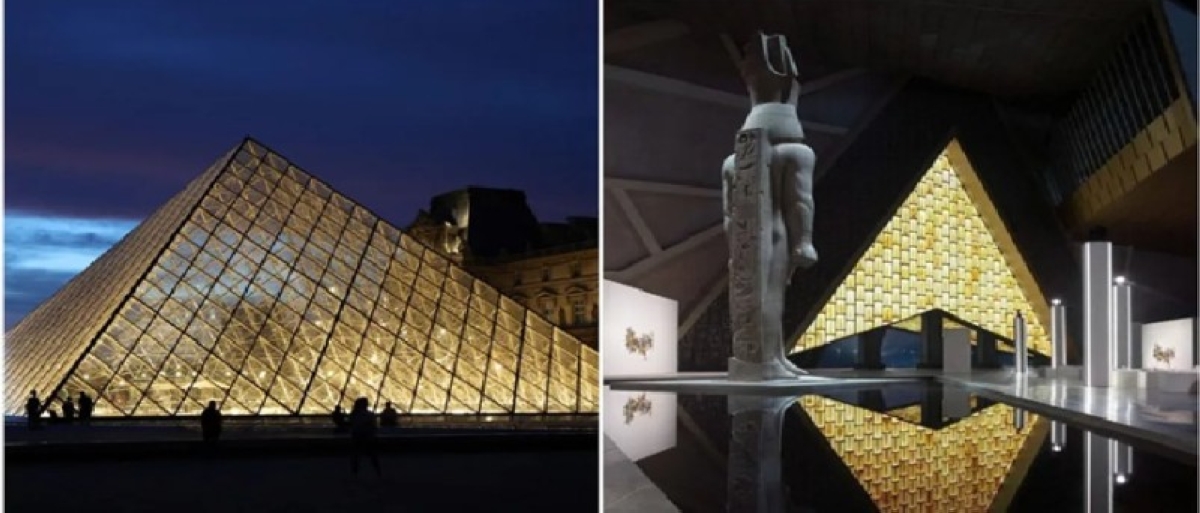
في قلب الجيزة، يقف المتحف المصري الكبير اليوم كأيقونة تجمع بين عبقرية الفراعنة وذكاء العصر الرقمي، ليصبح في آنٍ واحد أغلى كنز أثري وأكثر متاحف العالم تحصيناً بعد موجة القلق التي أثارتها سرقات كبرى في متاحف عريقة مثل اللوفر.
يضم المتحف أكثر من 100 ألف قطعة أثرية من عصور تمتد لخمسة آلاف عام، بينها المجموعة الكاملة للفرعون الذهبي توت عنخ آمون التي تضم نحو 5 آلاف قطعة جنائزية تُعرض لأول مرة مجتمعة في قاعة واحدة. أما المومياء فتبقى في مقبرتها الأصلية بوادي الملوك حفاظاً عليها، فيما يتصدر القناع الذهبي المشهد داخل المتحف كرمز للخلود والدهشة.
وبفضل ضخامته الفريدة وعدد معروضاته غير المسبوق، يُرجَّح أن يدخل المتحف المصري الكبير قريباً موسوعة «غينيس» للأرقام القياسية كأكبر متحف في العالم مخصص لحضارة واحدة. فبحسب الخبير الأثري إسماعيل عبد اللطيف، يضم المتحف أكثر من 100 ألف قطعة أثرية معروضة، أي ما يقارب ثلاثة أضعاف ما يعرضه متحف اللوفر في باريس الذي لا يُظهر للجمهور سوى 38 ألف قطعة فقط من أصل 380 ألفاً يمتلكها. ويُتوقع أن يُسجَّل المتحف في الموسوعة خلال الأشهر الأولى من افتتاحه، ليحمل لقباً جديداً يوازي قيمته التاريخية والثقافية كأضخم متحف في التاريخ الإنساني.
لكن بريق الذهب لا يقل سطوعاً عن بريق التكنولوجيا التي تحميه. فبحسب المهندس محمد المغربي استشاري التأمين والذكاء الاصطناعي، «المتحف المصري الكبير ليس مبنىً أثرياً فحسب، بل منظومة رقمية متكاملة تتصرف كما لو كانت كائناً ذكياً»، إذ يعمل وفق فلسفة الحماية متعددة الطبقات (Multi-Layer Protection) التي تجمع بين الذكاء الاصطناعي والتحليل الفوري والإنذار التلقائي.
ويستخدم المتحف نظام التوسيم بترددات الراديو (RFID) لتتبع كل قطعة من لحظة دخولها إلى خروجها، حتى تلك التي بحجم كف اليد، مع تغطية لا تترك أي «نقطة عمياء». كما تُدار شبكة من الكاميرات العصبية تعمل بتقنيات الرؤية الليلية والحرارية لرصد التحركات في ساعات الإغلاق، وتكشف أي اختلاف في المشهد تلقائياً دون تدخل بشري.
ويخضع الزوار والموظفون لإجراءات دخول بيومترية تتضمن بصمة الوجه والعين، فيما تُنشئ الأنظمة ملفاً رقمياً لكل زائر مرتبطاً بمسار حركته داخل القاعات. وتُفحص السيارات عبر أجهزة الأشعة السينية (X-Ray) بدقة مطار دولي، بينما يضمن النظام «زمن استجابة صفري» لأي إنذار أو محاولة اختراق.
بعد حادثة سرقة اللوفر وثغرات أمنية هزّت المتاحف العالمية، يبدو أن مصر اختارت الردّ بطريقتها الخاصة: قلعة رقمية تحرس كنوز الفراعنة وتثبت أن إرث الحضارة يمكن أن يعيش آمناً في زمن الذكاء الاصطناعي، كما عاش آلاف السنين في عمق الرمال.
In the heart of Giza, the Grand Egyptian Museum stands today as an icon that combines the genius of the pharaohs with the intelligence of the digital age, becoming at once the most valuable archaeological treasure and the most fortified museum in the world after a wave of concern raised by major thefts in prestigious museums like the Louvre.
The museum houses more than 100,000 artifacts from eras spanning five thousand years, including the complete collection of the golden pharaoh Tutankhamun, which features around 5,000 funerary items displayed together for the first time in a single hall. The mummy remains in its original tomb in the Valley of the Kings for preservation, while the golden mask dominates the scene inside the museum as a symbol of immortality and wonder.
Thanks to its unique size and unprecedented number of exhibits, the Grand Egyptian Museum is expected to soon enter the "Guinness" World Records as the largest museum in the world dedicated to a single civilization. According to archaeological expert Ismail Abdel Latif, the museum contains over 100,000 displayed artifacts, nearly three times what the Louvre in Paris exhibits, which shows only 38,000 pieces out of 380,000 it owns. The museum is expected to be recorded in the encyclopedia during the first months of its opening, earning a new title that matches its historical and cultural value as the largest museum in human history.
However, the shine of gold is no less bright than the shine of the technology that protects it. According to engineer Mohamed Al-Maghrabi, a consultant in security and artificial intelligence, "the Grand Egyptian Museum is not just an archaeological building, but a complete digital system that acts as if it were an intelligent being," as it operates under a multi-layer protection philosophy that combines artificial intelligence, real-time analysis, and automatic alerts.
The museum uses a Radio Frequency Identification (RFID) system to track each piece from the moment it enters until it exits, even those the size of a palm, with coverage that leaves no "blind spots." A network of neural cameras operates with night vision and thermal imaging technologies to monitor movements during closing hours, automatically detecting any changes in the scene without human intervention.
Visitors and staff undergo biometric entry procedures that include facial and iris recognition, while the systems create a digital profile for each visitor linked to their movement path within the halls. Vehicles are screened through X-ray machines with the precision of an international airport, while the system ensures "zero response time" for any alarm or attempted breach.
After the Louvre theft incident and security breaches that shook global museums, it seems that Egypt has chosen to respond in its own way: a digital fortress guarding the treasures of the pharaohs and proving that the legacy of civilization can live securely in the age of artificial intelligence, just as it has for thousands of years beneath the sands.