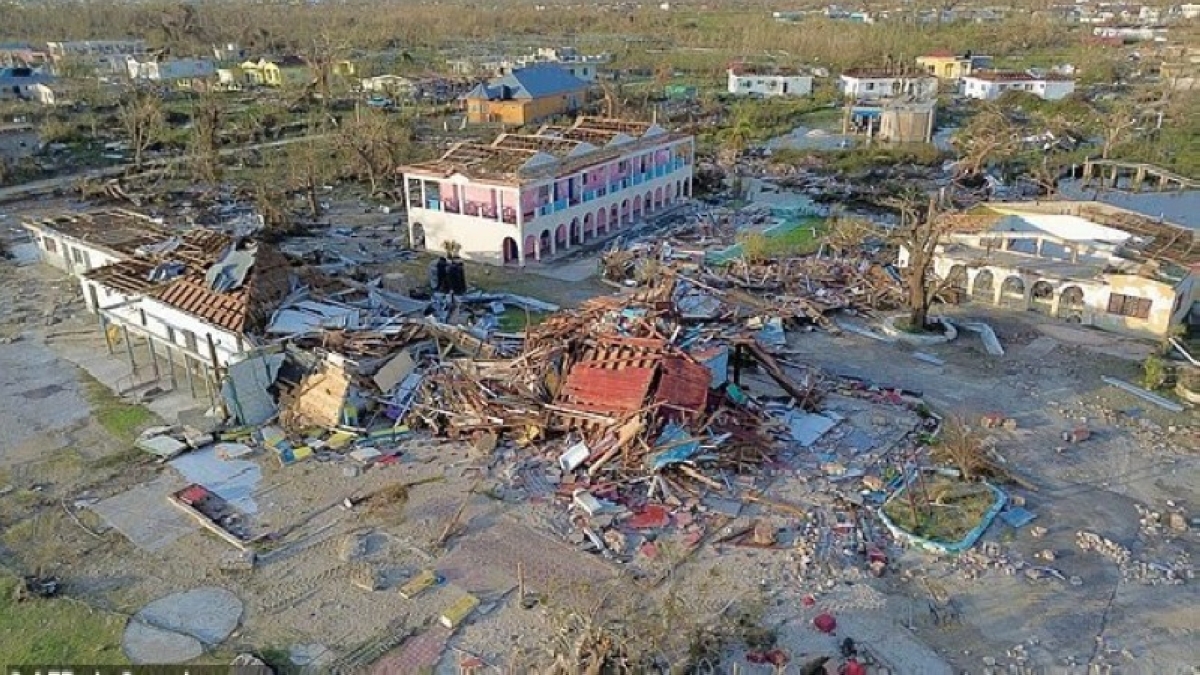
أحدث إعصار ميليسا دمارًا هائلًا في منطقة البحر الكاريبي، مخلفًا وراءه آثارًا كارثية في جامايكا وكوبا وهايتي، حيث اجتاحت الرياح العاتية والأمطار الغزيرة المدن والمجتمعات الساحلية، مسببة خسائر بشرية ومادية كبيرة.
وصل الإعصار إلى جامايكا الثلاثاء كإعصار من الفئة الخامسة بسرعة رياح بلغت 185 ميلًا في الساعة (نحو 295 كيلومترًا)، مما جعله أحد أقوى الأعاصير التي ضربت الجزيرة في التاريخ الحديث. ودمرت العاصفة المنازل والمستشفيات والمدارس والبنية التحتية، وأغرقت الشوارع بالمياه والطين، بينما فقد عشرات الآلاف من السياح مأواهم وسط انقطاع شبه كامل للكهرباء عن 77% من الجزيرة. وأكدت السلطات وفاة خمسة أشخاص على الأقل في جامايكا، مع استمرار البحث عن ناجين في المجتمعات المنكوبة.
تسبب الإعصار أيضًا في فيضانات كارثية في هايتي، حيث ارتفع عدد القتلى إلى 25 شخصًا وفقد العشرات، بينما يحتاج المئات من ذوي الإعاقة إلى مساعدات غذائية عاجلة.
وفي كوبا، ضربت الرياح والأمطار معظم المقاطعات الشرقية، متسببة في انقطاع الكهرباء وخدمة الإنترنت والهاتف عن العديد من المجتمعات، مع انهيار الأسقف وتضرر خطوط الكهرباء والمزارع. ومع ذلك، لم تُسجل وفيات بعد بفضل عمليات الإجلاء التي شملت أكثر من 735 ألف شخص.
وقال الرئيس الجامايكي أندرو هولنيس: «الدمار هائل. نهر بلاك ريفر أصبح ما يمكن وصفه بنقطة الصفر، والناس يعانون من آثار الإعصار بشكل مأساوي». بينما يعمل السكان وفرق الطوارئ على إزالة الحطام وفتح الطرق لتسهيل وصول المساعدات، وسط مشاهد صادمة لمنازل بلا أسقف وشوارع مغطاة بالمياه والطين.
ومع عبور ميليسا إلى جنوب شرق جزر الباهاما واستعداده للوصول إلى برمودا، يبقى السكان في حالة تأهب قصوى، في حين توثق الصور الجوية والفيديوهات الدمار الواسع الذي خلفه الإعصار، ما يجعل من الصعب التعرف على العديد من المدن الساحلية.
Hurricane Melissa caused massive destruction in the Caribbean, leaving behind catastrophic impacts in Jamaica, Cuba, and Haiti, where fierce winds and heavy rains swept through coastal towns and communities, resulting in significant human and material losses.
The hurricane reached Jamaica on Tuesday as a Category 5 storm with wind speeds of 185 miles per hour (about 295 kilometers), making it one of the strongest hurricanes to hit the island in modern history. The storm destroyed homes, hospitals, schools, and infrastructure, flooding streets with water and mud, while tens of thousands of tourists lost their shelter amid a near-total power outage affecting 77% of the island. Authorities confirmed at least five deaths in Jamaica, with the search for survivors continuing in the affected communities.
The hurricane also caused catastrophic flooding in Haiti, where the death toll rose to 25 people and dozens were missing, while hundreds of disabled individuals are in urgent need of food assistance.
In Cuba, winds and rains struck most of the eastern provinces, causing power outages and disruptions to internet and phone services in many communities, along with roof collapses and damage to power lines and farms. However, no fatalities have been reported so far, thanks to evacuation efforts that included more than 735,000 people.
Jamaican Prime Minister Andrew Holness stated, “The destruction is immense. The Black River has become what can be described as ground zero, and people are suffering the effects of the hurricane tragically.” As residents and emergency teams work to clear debris and open roads to facilitate aid access, shocking scenes of roofless homes and streets covered in water and mud emerge.
As Melissa moves across the southeastern Bahamas and prepares to reach Bermuda, residents remain on high alert, while aerial images and videos document the widespread destruction left by the hurricane, making it difficult to recognize many coastal towns.