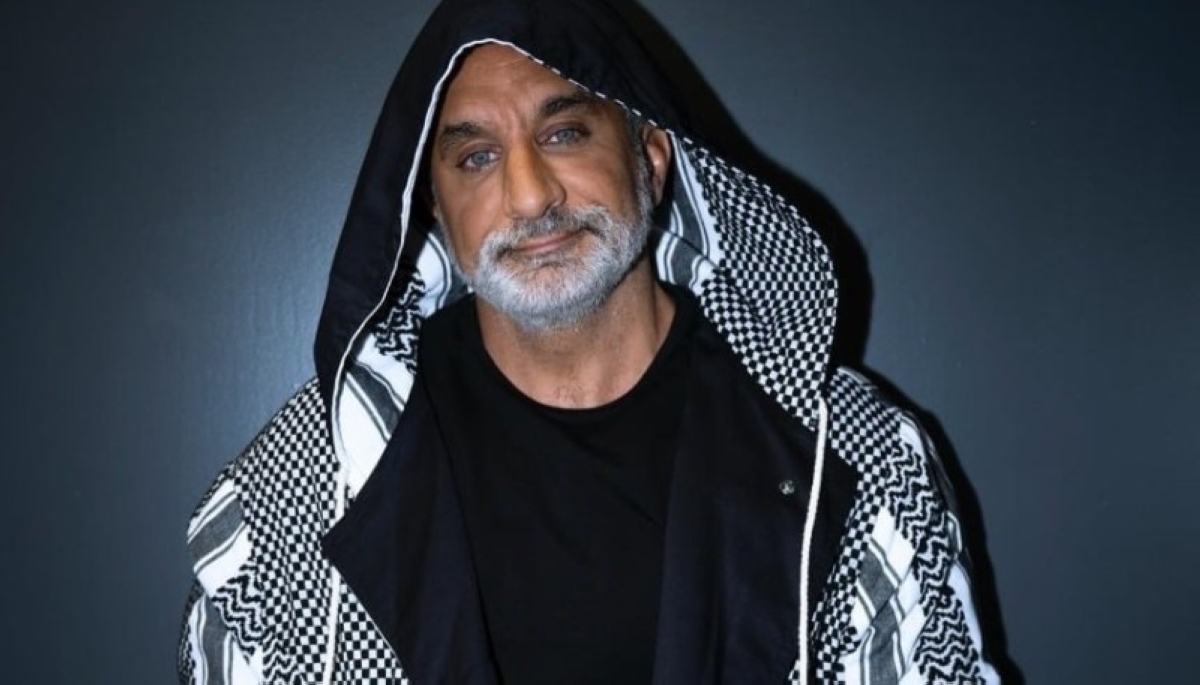
أثار الإعلامي المصري باسم يوسف موجة جديدة من الجدل بعد كشفه تفاصيل ما وصفه بـ«الهيمنة الأمريكية والإسرائيلية» على تطبيق «تيك توك» عقب الحرب الأخيرة على غزة، محذرًا من خطورة تحوّل التكنولوجيا إلى أداة للتحكم في وعي الإنسان وحرمانه من حريته.
وقال الإعلامي باسم يوسف خلال ظهوره في برنامج تلفزيوني إن التقدم التكنولوجي الذي يبهر العالم اليوم «ليس إنجازًا بلا ثمن»، مؤكدًا أن المجتمعات الحديثة أصبحت أسيرة للعالم الرقمي، تتنازل طوعًا عن خصوصيتها مقابل الرفاهية وسهولة الحياة اليومية.
وأوضح يوسف أن الهاتف المحمول مثال صارخ لهذا التناقض، قائلاً: «لقد دفعنا من أسرارنا وخصوصياتنا ثمناً للمزايا التي تقدمها التكنولوجيا». وأشار إلى أن الإنسان أصبح أكثر خضوعًا لما تنتجه الآلة، رغم اعتقاده أنه من يسيطر عليها.
وتحدث يوسف عن تصاعد الرقابة على مواقع التواصل الاجتماعي، خصوصا خلال الحرب الإسرائيلية على غزة، موضحًا أن تطبيق «تيك توك» كان أقل خضوعًا للرقابة مقارنة بمنصات أخرى مثل فيسبوك وإنستغرام، مما سمح للمحتوى الداعم لفلسطين بالانتشار على نطاق واسع، إذ بلغت نسبته نحو 90% من المواد المنشورة في الأيام الأولى للحرب.
وأضاف أن هذا الانتشار أثار قلق الولايات المتحدة وإسرائيل، اللتين مارستا ضغوطًا مكثفة على الشركة الصينية المالكة للتطبيق، بذريعة حماية البيانات، بينما كان الهدف الحقيقي – بحسب يوسف – هو السيطرة على المنصة وتقليص التأثير المؤيد لفلسطين.
وأشار يوسف إلى أن تلك الضغوط أدت إلى تشديد القيود على المستخدمين الداعمين للقضية الفلسطينية، وتعيين مسؤولة إسرائيلية للإشراف على المحتوى داخل التطبيق، قبل أن تنتهي الأمور – كما قال – إلى صفقة بيع لرجال أعمال أمريكيين، من بينهم الملياردير لاري إليسون، الذي وصفه بأنه «ثاني أغنى رجل في العالم وأكبر متبرع في تاريخ جيش الاحتلال الإسرائيلي».
واختتم يوسف حديثه قائلاً: «الأدوات التي نبتكرها لتسهيل حياتنا تُستخدم لاحقاً لتقييدنا. التكنولوجيا لم تعد محرّرة للإنسان، بل وسيلة للتحكم في الحقيقة واحتكارها».
The Egyptian media figure Bassem Youssef sparked a new wave of controversy after revealing details of what he described as "American and Israeli hegemony" over the TikTok app following the recent war on Gaza, warning of the dangers of technology turning into a tool for controlling human consciousness and depriving individuals of their freedom.
During his appearance on a television program, Youssef stated that the technological advancements that amaze the world today "come at a price," emphasizing that modern societies have become prisoners of the digital world, willingly sacrificing their privacy in exchange for convenience and ease in daily life.
Youssef explained that the mobile phone is a glaring example of this contradiction, saying: "We have paid with our secrets and privacy for the advantages that technology offers." He pointed out that individuals have become more submissive to what machines produce, despite believing that they are the ones in control.
Youssef spoke about the increasing censorship on social media platforms, especially during the Israeli war on Gaza, clarifying that the TikTok app was less subjected to censorship compared to other platforms like Facebook and Instagram, which allowed pro-Palestinian content to spread widely, reaching about 90% of the materials published in the early days of the war.
He added that this spread raised concerns for the United States and Israel, which exerted intense pressure on the Chinese company that owns the app, under the pretext of data protection, while the real goal – according to Youssef – was to control the platform and reduce the pro-Palestinian influence.
Youssef noted that this pressure led to tightening restrictions on users supporting the Palestinian cause and appointing an Israeli official to oversee content within the app, before things ultimately ended – as he said – in a sale deal to American businessmen, including billionaire Larry Ellison, whom he described as "the second richest man in the world and the largest donor in the history of the Israeli occupation army."
Youssef concluded his remarks by saying: "The tools we create to facilitate our lives are later used to restrict us. Technology is no longer liberating for humanity; rather, it has become a means to control and monopolize the truth."