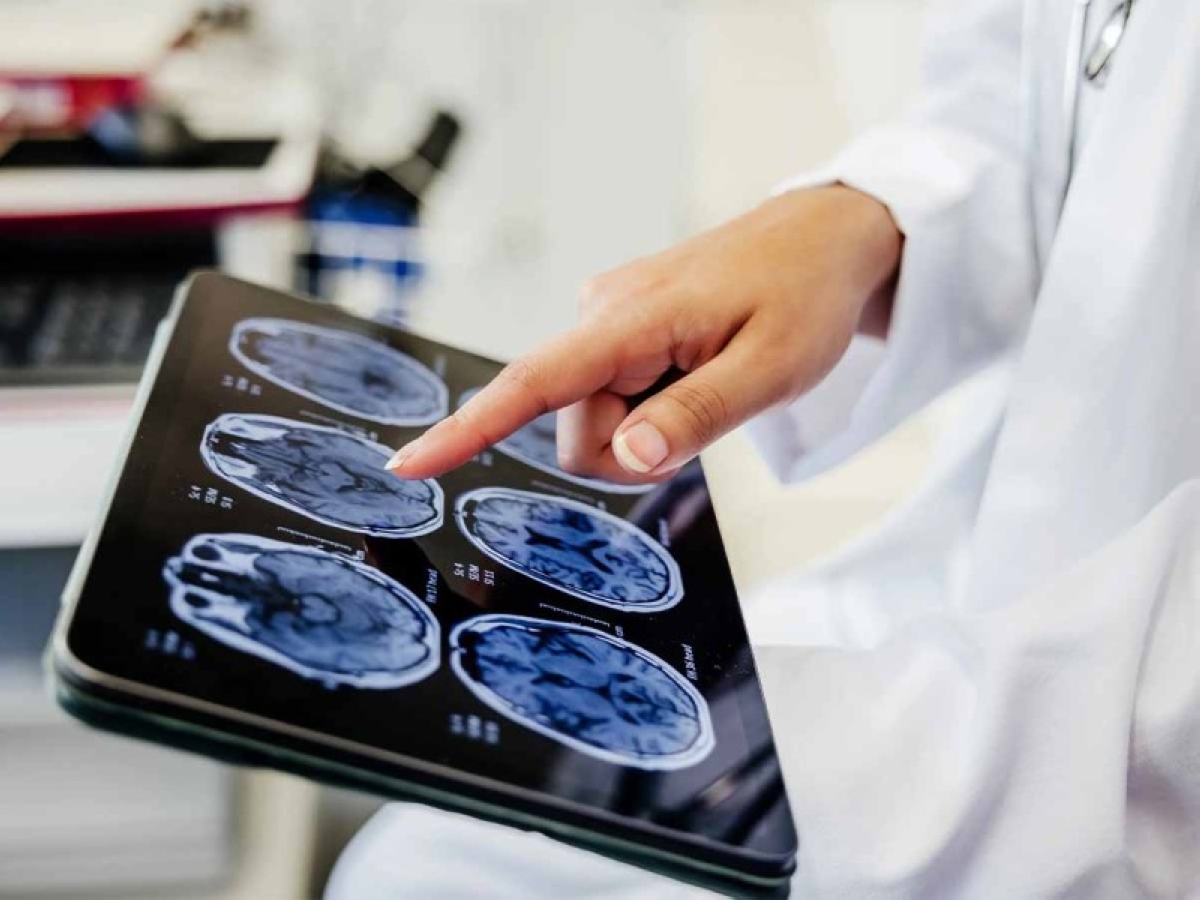
أعلن الباحثون في الصين، عن إطلاق أول منصة رنين مغناطيسي في العالم مصممة خصيصا لتكنولوجيا واجهة الدماغ والحاسوب، حيث أنشأت المنصة نظاما للرنين المغناطيسي للتصوير العصبي، ما يوفر دعما أساسيا لبحث وتطوير الجيل القادم من تكنولوجيا واجهة الدماغ والحاسوب.
100 تريليون نقطة اشتباك عصبي
ووفقا للباحثين من جامعة تيانجين وشركة شانغهاي يونايتد إيميجنغ للرعاية الصحية ومؤسسات بحثية أخرى، يعد الدماغ العضو الأكثر تعقيدا وتطورا في جسم الإنسان، إذ يضم نحو 86 مليار خلية عصبية متصلة بأكثر من 100 تريليون نقطة اشتباك عصبي، وفي ظل هذه الشبكة العصبية المعقدة، لطالما شكلت مسألة كيفية اكتشاف وتحليل إشارات تخطيط كهربية الدماغ لكامل فروة الرأس، والتي تحتوي على كميات هائلة من المعلومات ولكنها ضعيفة للغاية، تحديا كبيرا لصناعة واجهة الدماغ والحاسوب.
منظور بحثي ثلاثي الأبعاد
وتستطيع المنصة الجديدة إجراء التصوير النووي المغناطيسي وتسجيل تخطيط كهربية الدماغ في آن واحد، والتقاط التغيرات الطفيفة في نشاط الدماغ بدقة، وتحديد موقع هذه الأنشطة بدقة تصل إلى أقل من المليمتر، وتسجيل توقيت أنشطة الدماغ بسرعة تصل إلى أقل من الثانية، بالإضافة إلى ذلك يمكن للمنصة تنظيم الدماغ بدقة باستخدام تقنية الموجات فوق الصوتية والتحفيز الكهربائي، مع ربط عملية التنظيم بنظام التصوير في الوقت الفعلي. وهذا يمكن من التنسيق المتزامن للمراقبة والتدخل، ما يوفر لباحثي الدماغ منظورا بحثيا ثلاثي الأبعاد وديناميكيا.
فك تشفير الإشارات وفهم الدماغ
وقال تشانغ تشيانغ، رئيس مجلس إدارة شركة شانغهاي يونايتد إيميجنغ للرعاية الصحية: «من المتوقع أن تسهل المنصة التطبيق العملي لواجهة الدماغ والحاسوب في المجال الطبي والرعاية الصحية، مثل تقييم الأمراض العقلية والمراقبة العصبية الشديدة وتدريبات إعادة التأهيل وتعزيز تكنولوجيا واجهة الدماغ والحاسوب لتطور من فك تشفير الإشارات إلى فهم الدماغ».
Researchers in China have announced the launch of the world's first magnetic resonance platform specifically designed for brain-computer interface technology. The platform has established a magnetic resonance system for neuroimaging, providing essential support for the research and development of the next generation of brain-computer interface technology.
100 Trillion Neural Connection Points
According to researchers from Tianjin University, Shanghai United Imaging Healthcare, and other research institutions, the brain is the most complex and advanced organ in the human body, containing about 86 billion neurons connected by more than 100 trillion neural connection points. Within this complex neural network, the challenge of how to detect and analyze electroencephalogram signals from the entire scalp, which contains vast amounts of information but is extremely weak, has long posed a significant challenge to the brain-computer interface industry.
Three-Dimensional Research Perspective
The new platform can perform magnetic nuclear imaging and record electroencephalogram signals simultaneously, capturing slight changes in brain activity with precision and accurately locating these activities to less than a millimeter. It can also record the timing of brain activities at speeds of less than a second. Additionally, the platform can organize the brain accurately using ultrasound technology and electrical stimulation, linking the organization process to real-time imaging. This enables the synchronized coordination of monitoring and intervention, providing brain researchers with a dynamic three-dimensional research perspective.
Decoding Signals and Understanding the Brain
Chang Qiang, Chairman of Shanghai United Imaging Healthcare, stated: "The platform is expected to facilitate the practical application of brain-computer interfaces in the medical and healthcare fields, such as assessing mental illnesses, severe neurological monitoring, rehabilitation training, and enhancing brain-computer interface technology to evolve from signal decoding to understanding the brain."