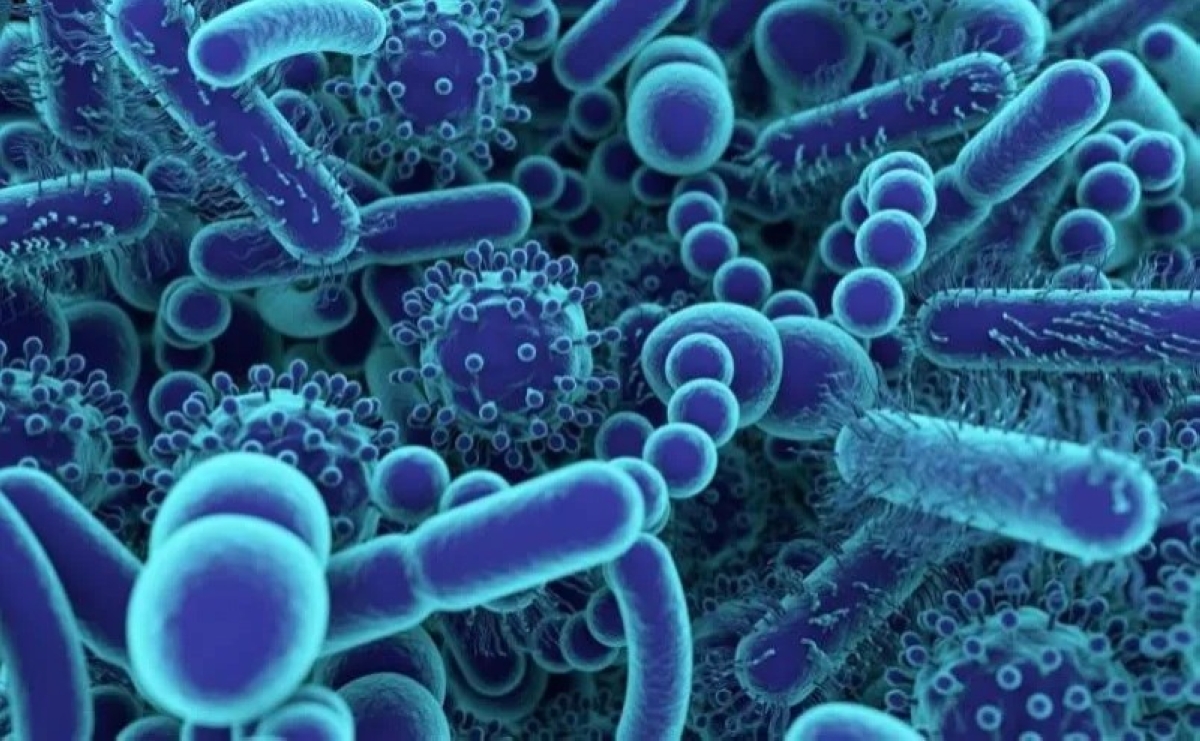
أعلنت أكاديمية العلوم الروسية بالتعاون مع جامعة موسكو الحكومية وعدد من المراكز البحثية الروسية، عن إنجاز علمي جديد تمكن خلاله العلماء من فك البنية المعقدة لبكتيريا زرقاء عملاقة تعود إلى أكثر من ملياري عام، تتكون من أكثر من 500 بروتين، ما يتيح فهما أعمق لتطور الحياة المبكرة على كوكب الأرض.
وأوضح مركز الأبحاث أن هذا الإنجاز سيساهم في تسريع تطوير عناصر ضوئية محاكية للطبيعة، حيث تعتبر البكتيريا الزرقاء من الكائنات الأولى التي أتقنت عملية التمثيل الضوئي المصحوب بإطلاق الأكسجين، وهي العملية التي أدت إلى نشوء الغلاف الجوي الحديث.
وركز العلماء في دراستهم على مجمع الجسيمات الضوئية داخل البكتيريا، وهو مركب بروتيني بالغ التعقيد يمكنها من التقاط الضوء وتحويل طاقته.
وعلى مدى نحو نصف قرن، حاول العلماء حول العالم تحديد البنية الدقيقة لهذا المركب الذي يعد أساس عملية جمع الضوء في البكتيريا الزرقاء، إلا أن الدراسة الروسية الحديثة نجحت للمرة الأولى في إنشاء نموذج ثلاثي الأبعاد للمركب وتوصيف آليه عمل الجسيمات الضوئية داخله.
يشار إلى أن فهم بنية هذا المركب العملاق يوسع تصور العلماء لتطور الأنظمة الضوئية في الطبيعة، وقد يمهد الطريق لتصميم أنظمة صناعية تستنسخ آلية تحويل الضوء إلى طاقة.
The Russian Academy of Sciences, in collaboration with Moscow State University and several Russian research centers, announced a new scientific achievement in which scientists managed to decode the complex structure of a giant blue bacterium dating back over two billion years, consisting of more than 500 proteins, allowing for a deeper understanding of early life evolution on Earth.
The research center explained that this achievement will contribute to accelerating the development of optical elements that mimic nature, as blue bacteria are among the first organisms to master the process of photosynthesis accompanied by oxygen release, a process that led to the formation of the modern atmosphere.
The scientists focused their study on the light-harvesting complex within the bacteria, a highly complex protein compound that enables them to capture light and convert its energy.
For nearly half a century, scientists around the world have attempted to determine the precise structure of this compound, which is fundamental to the light-gathering process in blue bacteria. However, the recent Russian study succeeded for the first time in creating a three-dimensional model of the compound and describing the mechanism of action of the light-harvesting particles within it.
It is noteworthy that understanding the structure of this giant compound expands scientists' perceptions of the evolution of optical systems in nature and may pave the way for designing industrial systems that replicate the mechanism of converting light into energy.