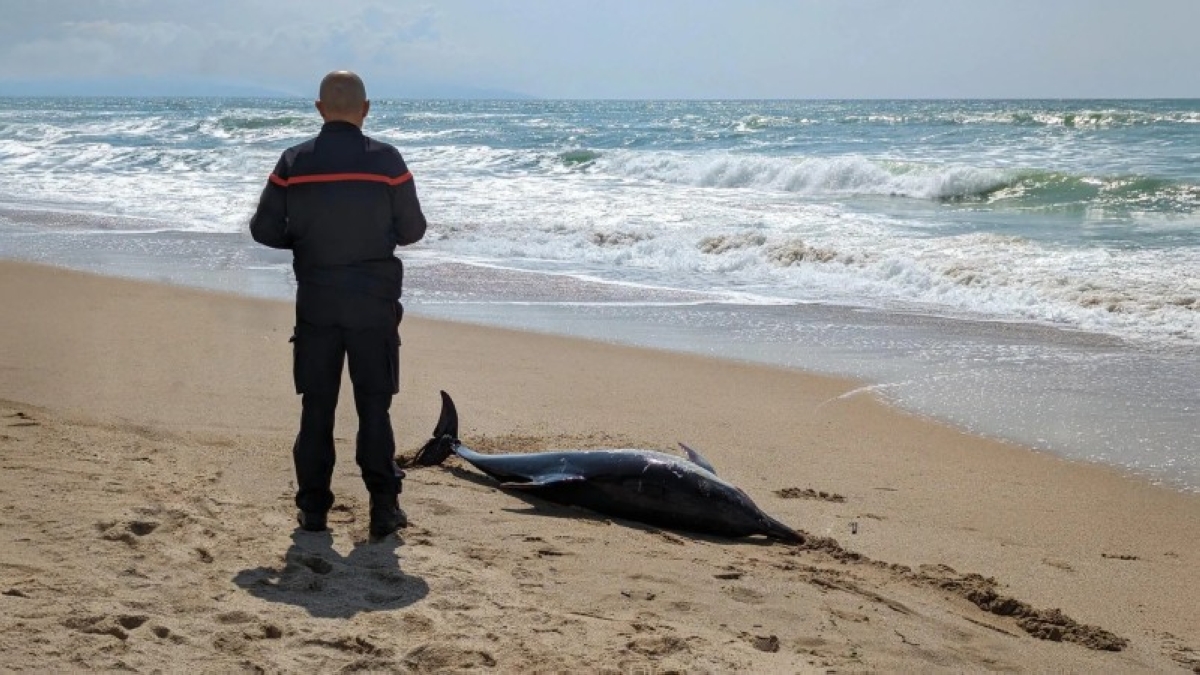
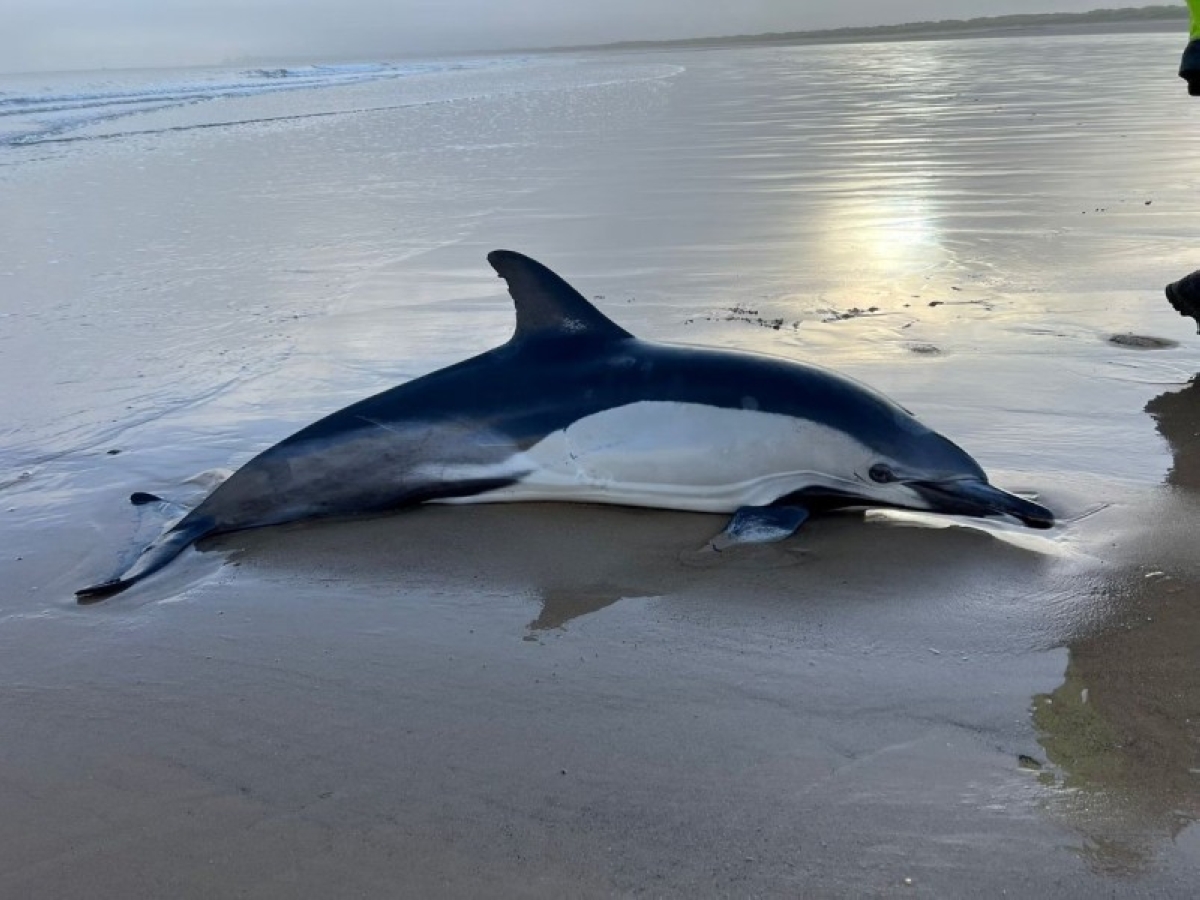
كشف دراسة أمريكية علمية جديدة مثيرة للقلق عن ارتباط مقلق بين نفوق الدلافين في سواحل فلوريدا ووجود سمّ عصبي تنتجه البكتيريا الزرقاء في المياه يُعتقد أنه يسبب تلفاً دماغياً مشابهاً لما يحدث في مرض الـ«ألزهايمر» لدى البشر.
وأشارت الدراسة التي أجراها فريق من جامعة ميامي ومعهد هوبز سي وورلد للأبحاث بالتعاون مع مختبرات كيمياء الدماغ، إلى وجود ارتباط مباشر بين نفوق أكثر من 20 دلفيناً من فصيلة «قارورة الأنف» في بحيرة نهر إنديان بفلوريدا، والتسمم بسم عصبي تنتجه الطحالب الزرقاء (البكتيريا الزرقاء).
وأظهرت الدراسة، التي نُشرت في مجلة «Communications Biology» التابعة لـ«نيتشر» أن هذه السموم تسبب تلفاً دماغياً يشبه مرض الـ«ألزهايمر» لدى البشر، ما يثير مخاوف من أن الدلافين – كحراس بيئيين للمحيطات – قد تكون إشارة تحذيرية لمخاطر صحية تُهدد الإنسان.
20 دلفيناً خضعوا للفحص
وفحص الباحثون 20 دلفيناً قارورة أنف تم استرجاع جثثها على طول 155 كيلومتراً من ساحل فلوريدا الشرقي، بين 2010 و2019، معظمها في بحيرة نهر إنديان التي تعاني من ازدهار الطحالب الضارة بانتظام، ووجد الفريق، بقيادة الدكتور ديفيد ديفيس من كلية ميلر للطب في جامعة ميامي، أن جميع العينات إيجابية للسم العصبي الذي تنتجه البكتيريا الزرقاء.
وأظهرت التحاليل الجزيئية تغييرات في 536 جيناً مرتبطاً بمسارات الـ«ألزهايمر»، بما في ذلك تراكم بروتينات مفرطة الفسفور، التي تؤدي إلى تلف الخلايا العصبية وفقدان التوجيه – ربما السبب في غرق الدلافين.
وقال الدكتور ديفيس: «الدلافين كائنات طويلة العمر في قمة السلسلة الغذائية، تتراكم فيها السموم كما في السمك الذي نأكله، ما يجعلها إنذاراً بيئياً لصحة الإنسان». وأضاف بول ألان كوكس، من مختبرات كيمياء الدماغ، أن تجارب على الحيوانات أكدت أن التعرض المزمن للسم العصبي من البكتريا الزرقاء يُحدث تراجعاً إدراكياً وآفات دماغية مطابقة للـ«ألزهايمر».
يأتي هذا الكشف وسط تفاقم مشكلة الازدهار الضار للطحالب في فلوريدا، حيث يُفرغ بحيرة أوكيتشوبي مياهاً ملوثة غنية بالنيتروجين إلى النهر، ما يغذي نمو البكتيريا الزرقاء، وفي 2024، سجلت مقاطعة ميامي دايد أعلى معدلات الإصابة بالـ«ألزهايمر» في الولايات المتحدة، ما يعزز الارتباط المحتمل بين التلوث البيئي والأمراض العصبية.
وتعد الدلافين «حراساً بيئيين» لأنها تظهر آثار التلوث قبل البشر، وقد أدى الازدهار في فلوريدا إلى نفوق آلاف الحيوانات منذ 2010، ما جعل الدراسة تحذر من أن تجنب السباحة أو صيد الأسماك في مناطق الازدهار أمر حاسم، وتدعو إلى تقليل تدفق المياه الملوثة من البحيرات لمواجهة هذه الأزمة، التي قد تكون مقدمة لزيادة حالات الـ«ألزهايمر» عالمياً مع الاحتباس الحراري.
A new and concerning American scientific study has revealed a troubling link between dolphin deaths along the Florida coast and the presence of a neurotoxin produced by blue-green algae in the waters, believed to cause brain damage similar to that seen in Alzheimer’s disease in humans.
The study, conducted by a team from the University of Miami and the Hobbs Sea World Research Institute in collaboration with Brain Chemistry Laboratories, indicated a direct correlation between the deaths of more than 20 bottlenose dolphins in the Indian River Lagoon in Florida and poisoning from a neurotoxin produced by blue-green algae (cyanobacteria).
The study, published in the journal Communications Biology by Nature, showed that these toxins cause brain damage resembling Alzheimer’s disease in humans, raising concerns that dolphins – as environmental sentinels of the oceans – may serve as a warning signal for health risks threatening humans.
20 Dolphins Examined
The researchers examined 20 bottlenose dolphins whose carcasses were retrieved along 155 kilometers of the eastern Florida coast between 2010 and 2019, most of them in the Indian River Lagoon, which regularly suffers from harmful algal blooms. The team, led by Dr. David Davis from the Miller School of Medicine at the University of Miami, found that all samples tested positive for the neurotoxin produced by blue-green algae.
Molecular analyses showed changes in 536 genes associated with Alzheimer’s pathways, including the accumulation of hyperphosphorylated proteins that lead to neuronal damage and loss of orientation – possibly the reason for the dolphins' stranding.
Dr. Davis stated, “Dolphins are long-lived apex predators that accumulate toxins just like the fish we eat, making them an environmental warning for human health.” Paul Alan Cox from Brain Chemistry Laboratories added that animal studies have confirmed that chronic exposure to neurotoxins from blue-green algae leads to cognitive decline and brain lesions similar to Alzheimer’s.
This revelation comes amid a worsening problem of harmful algal blooms in Florida, where Lake Okeechobee discharges nitrogen-rich polluted waters into the river, fueling the growth of blue-green algae. In 2024, Miami-Dade County recorded the highest rates of Alzheimer’s disease in the United States, reinforcing the potential link between environmental pollution and neurological diseases.
Dolphins are considered “environmental sentinels” because they show the effects of pollution before humans do, and the blooms in Florida have led to the deaths of thousands of animals since 2010. The study warns that avoiding swimming or fishing in bloom areas is crucial and calls for reducing the flow of polluted waters from lakes to address this crisis, which may herald an increase in Alzheimer’s cases globally with climate change.