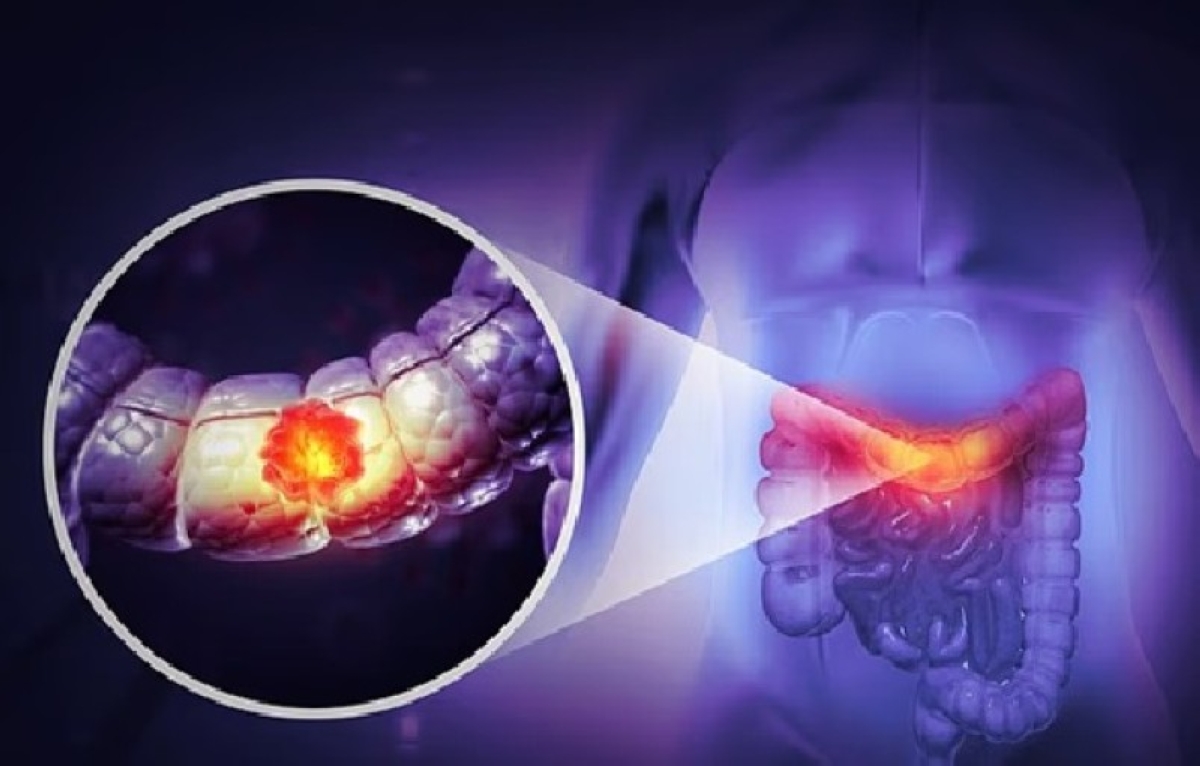
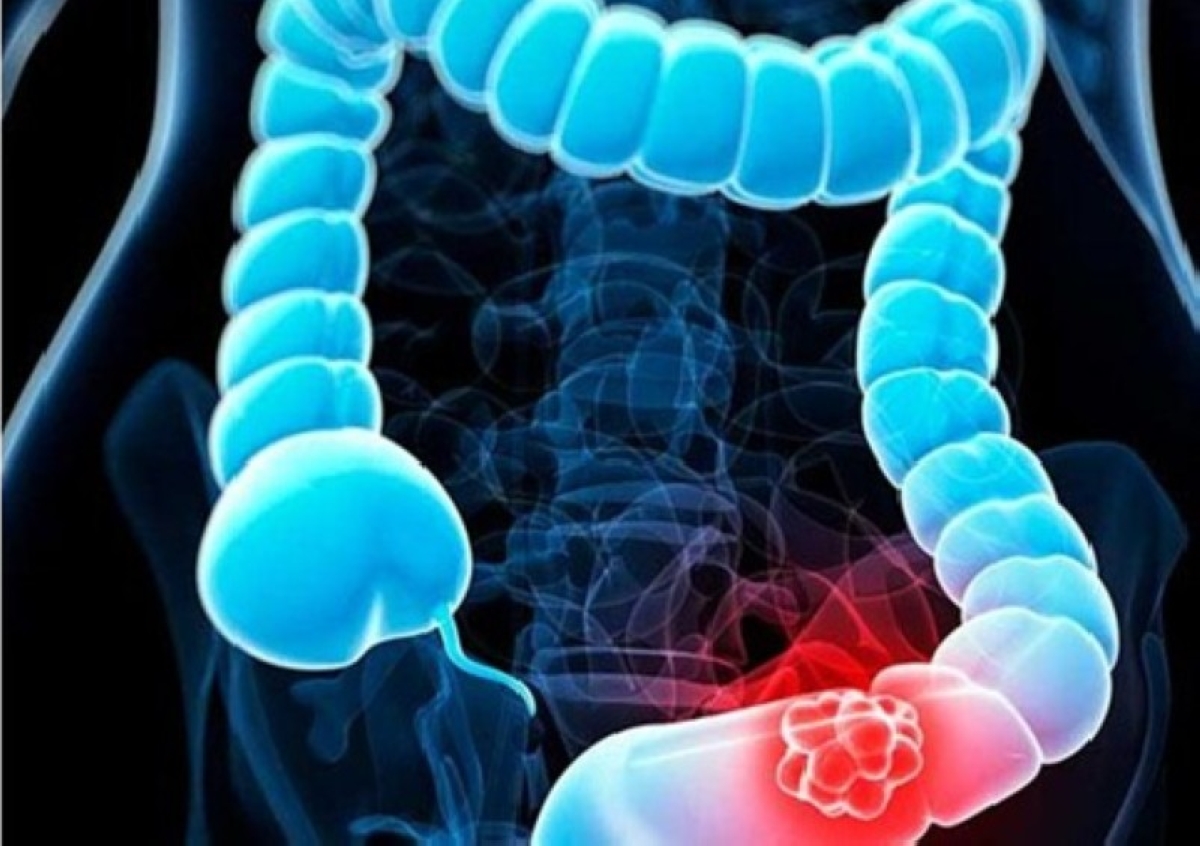
كشف الطبيب البريطاني البارز الدكتور هيلاري جونز، الطبيب المقيم في برنامج «Good Morning Britain»، خدعة بسيطة للكشف عن مشكلة شائعة مرتبطة بسرطان الأمعاء أو سرطان القولون.
وأوضح، بحسب صحيفة «ديلي ميل»، أن تناول بضع حبات من الذرة الحلوة يمكن أن يكشف ما إذا كان الشخص يعاني من «تأخر الأمعاء» (gut lag)، وهي حالة تشبه «تأخر الرحلات الجوية» (jet lag) الناتج عن تغييرات في الروتين اليومي، مثل العودة إلى مواعيد المدرسة أو تغييرات في العمل بعد العطلات الصيفية، مما يؤثر على عملية الهضم.
وأشار جونز إلى أن «تأخر الأمعاء» قد يسبب انتفاخا ومشكلات صحية هضمية، إذ يستغرق الطعام وقتا أطول للتحول إلى براز، مما قد يؤدي في الحالات الشديدة إلى الإمساك.
علاقة الإمساك بسرطان الأمعاء
ويُعد الإمساك، وفقا للدراسات، مرتبطا بسرطان الأمعاء، الذي يشهد ارتفاعا مقلقا بين الشباب، ولاختبار هذه الحالة، أوصى جونز بتناول حبات الذرة الحلوة، التي لا يهضمها الجسم، وملاحظة ظهورها في البراز.
وقال: «إذا مرت خلال 12 إلى 24 ساعة، فهذا يعني أن الأمعاء صحية، أما إذا استغرقت أقل من ذلك، فقد يشير إلى عدم امتصاص العناصر الغذائية، وإذا طالت أكثر، فقد يكون الجهاز الهضمي بطيئا، مما يسبب أعراضا إضافية».
اختبار الذرة الحلوة
وأوضح جونز، أن اختبار الذرة الحلوة معروف منذ فترة، ويستخدم لقياس «وقت مرور الأمعاء»، وهي المدة التي يستغرقها الطعام للعبور عبر الجهاز الهضمي.
يأتي هذا التحذير وسط ارتفاع مقلق في حالات سرطان الأمعاء بين الأشخاص دون سن الخمسين، والذي زاد بنسبة 50% خلال العقود الثلاثة الماضية، مما حير الأطباء عالميا.
وكانت الناشطة البريطانية ديبورا جيمس، الملقبة بـ«فتاة الأمعاء»، قد توفيت بسبب هذا المرض عام 2022 عن عمر 40 عاما، بعد أن جمعت أكثر من 11.3 مليون جنيه إسترليني لأبحاث السرطان وزادت الوعي به.
42 ألف بريطاني مشخصون بسرطان الأمعاء
يُشخّص سنويا أكثر من 42 ألف بريطاني بسرطان الأمعاء، ويموت نحو 17400 بسببه، وتشمل عوامل الخطر التدخين، تناول اللحوم المصنعة بكثرة، وشرب الكحول.
وفي تصريحات لصحيفة «ديلي ميل» الشهر الماضي، أشار الدكتور جاك أوغدن، طبيب عام في عيادة لاغوم في بريستول، إلى أعراض أخرى غالبا ما تُغفل، مثل فقر الدم الناجم عن نقص الحديد، الذي يظهر كإرهاق غير مبرر، شحوب الجلد، أو ضيق التنفس، وقد يسبب النزيف من الأورام فقدان الحديد، مما يؤدي إلى أعراض مثل ألم الصدر، خفقان القلب، الصداع، أو الدوخة.
كما حذر أوغدن من أعراض خفية أخرى، مثل البراز الرفيع بشكل غير طبيعي (يشبه قلم الرصاص)، والذي قد يشير إلى انسداد في القولون بسبب ورم يضغط على البراز ليصبح أنحف. وأضاف أن الانتفاخ وألم البطن، أو الشعور بالامتلاء السريع بعد الأكل، أو التشنجات المستمرة، هي علامات محتملة أخرى لسرطان الأمعاء يجب الانتباه إليها.
Prominent British doctor Dr. Hilary Jones, a resident physician on the "Good Morning Britain" program, revealed a simple trick to detect a common issue related to bowel cancer or colon cancer.
He explained, according to the "Daily Mail," that eating a few kernels of sweet corn can reveal whether a person is suffering from "gut lag," a condition similar to "jet lag" caused by changes in daily routines, such as returning to school schedules or changes at work after summer holidays, which affects the digestive process.
Jones pointed out that "gut lag" can cause bloating and digestive health issues, as food takes longer to turn into stool, which in severe cases can lead to constipation.
The Relationship Between Constipation and Bowel Cancer
Constipation is, according to studies, linked to bowel cancer, which is seeing a concerning rise among young people. To test for this condition, Jones recommended eating sweet corn kernels, which the body does not digest, and observing their appearance in the stool.
He said, "If they pass within 12 to 24 hours, it means the intestines are healthy. If it takes less than that, it may indicate poor nutrient absorption, and if it takes longer, the digestive system may be slow, causing additional symptoms."
The Sweet Corn Test
Jones explained that the sweet corn test has been known for some time and is used to measure "gut transit time," which is the duration it takes for food to pass through the digestive system.
This warning comes amid a concerning rise in bowel cancer cases among people under the age of fifty, which has increased by 50% over the past three decades, puzzling doctors worldwide.
British activist Deborah James, known as the "Bowel Babe," passed away from this disease in 2022 at the age of 40, after raising over £11.3 million for cancer research and raising awareness about it.
42,000 Britons Diagnosed with Bowel Cancer
Each year, more than 42,000 Britons are diagnosed with bowel cancer, and around 17,400 die from it. Risk factors include smoking, excessive consumption of processed meats, and alcohol consumption.
In statements to the "Daily Mail" last month, Dr. Jack Ogden, a general practitioner at the Lagom Clinic in Bristol, pointed to other often-overlooked symptoms, such as iron deficiency anemia, which presents as unexplained fatigue, pale skin, or shortness of breath. Bleeding from tumors can cause iron loss, leading to symptoms such as chest pain, heart palpitations, headaches, or dizziness.
Ogden also warned of other subtle symptoms, such as abnormally thin stools (pencil-like), which may indicate a blockage in the colon due to a tumor pressing on the stool to make it thinner. He added that bloating and abdominal pain, or feeling full quickly after eating, or persistent cramps, are other potential signs of bowel cancer that should be noted.