أعلنت الحكومة المكسيكية مقتل 44 شخصاً على الأقل جراء أيام من الأمطار الغزيرة والفيضانات الشديدة التي اجتاحت 5 ولايات في وسط وبحر الشرق من البلاد، ما أدى إلى انزلاقات أرضية وغمر واسع للمناطق السكنية والطرق.ويُعزى هذا الدمار الواسع إلى بقايا العاصفة الاستوائية بريسيليا، التي كانت إعصاراً سابقاً، والعاصفة الاستوائية رايموند، اللتين تسببتا في هطول أمطار غزيرة على الساحل الغربي للمكسيك، ما أدى إلى ارتفاع مستويات الأنهار وانهيار الجسور والمنحدرات.
44 قتيلاً في 5 ولايات
وفقاً لبيان رسمي صادر عن لجنة التنسيق الوطنية للحماية المدنية، بلغت الوفيات 18 شخصاً في ولاية فيراكروز على ساحل الخليج، و16 في ولاية هيدالغو شمال العاصمة مكسيكو سيتي، و9 في ولاية بويبلا شرق العاصمة، وواحداً في ولاية كويريتارو المركزية.
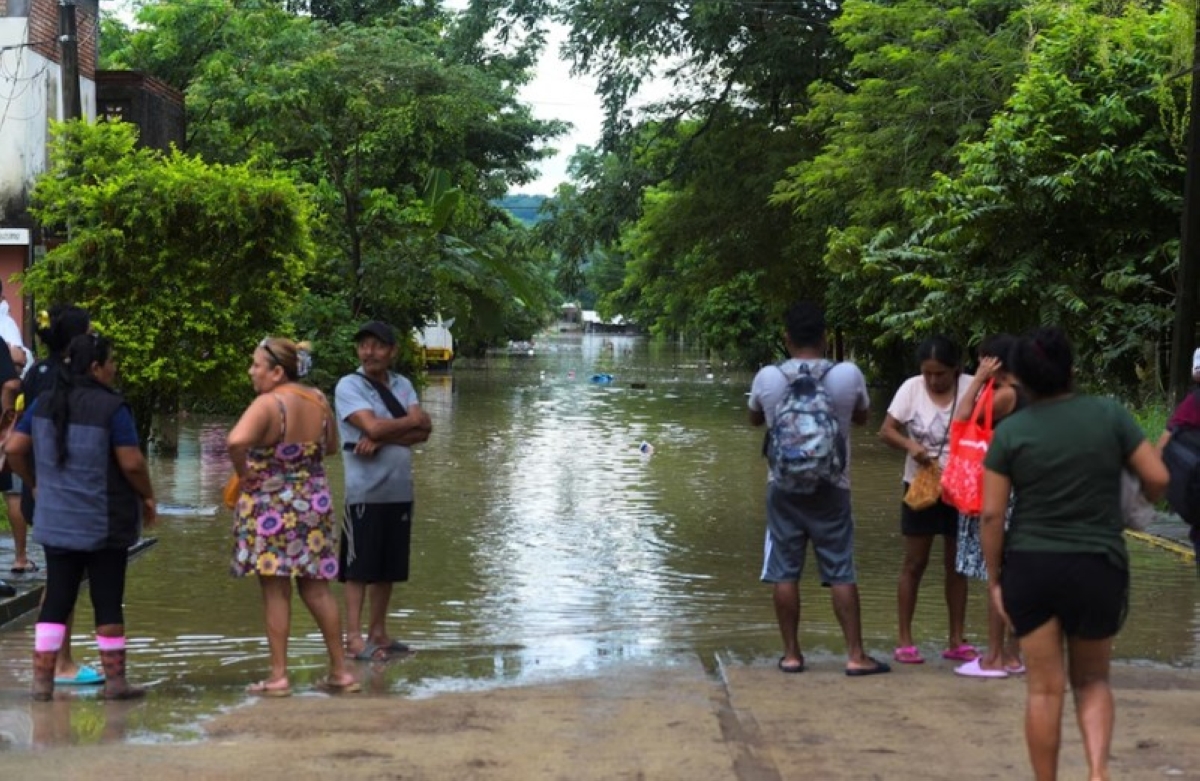
كما أفادت السلطات بفقدان عشرات الأشخاص، مع استمرار عمليات البحث عن 27 مفقوداً على الأقل، بينما أثرت الفيضانات على أكثر من 139 بلدة ومدينة، ما أدى إلى عزل مجتمعات كاملة عن طريق انهيارات الطرق والأنهار المتدفقة.وفي فيراكروز، التي سجلت أعلى كميات الأمطار (أكثر من 540 ميلليمترا، أي نحو 21 إنشاً بين 6 و9 أكتوبر)، شهدت مدينة بوزا ريكا كارثة طبيعية، حيث انفجر نهر كازونيس على ضفافه، ما أغرق الشوارع بمياه تصل إلى 4 أمتار، وأدى إلى اصطدام السيارات وغمر المنازل بالطين.
توثيق عمليات الإخلاء
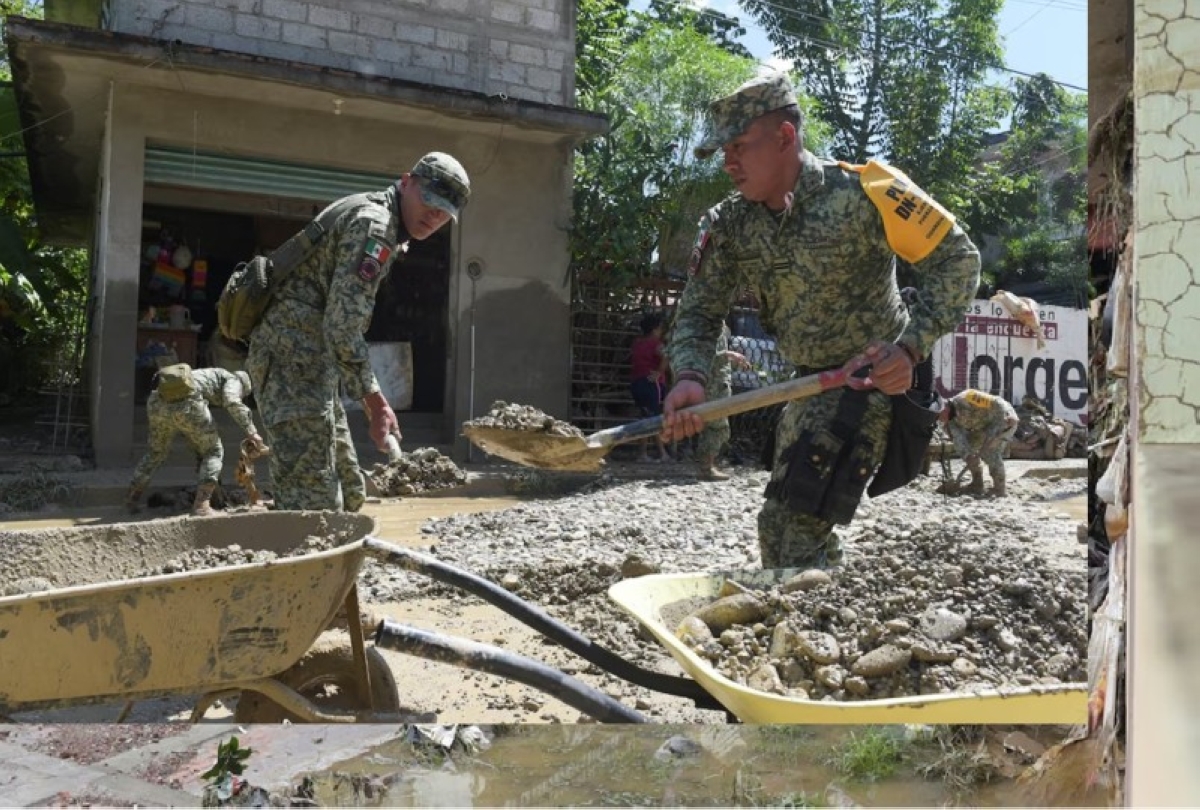
ونشرت القوات المسلحة المكسيكية صوراً توثق عمليات الإجلاء، حيث يستخدم الجنود قوارب نجاة لنقل السكان، بينما يتقدم عمال الإنقاذ في مياه تصل إلى الخصر عبر الشوارع الغارقة.كما تضررت آلاف المنازل (نحو 16 ألفاً في فيراكروز وحدها)، وأدت الانزلاقات الأرضية إلى عزل 42 مجتمعاً، مع انقطاع الكهرباء عن أكثر من 320 ألف مستخدم في جميع أنحاء البلاد.أما في هيدالغو، فقد أفادت السلطات المحلية بأن 1000 منزل تضررت، إلى جانب 59 مستشفى وعيادة و308 مدارس، مع انقطاع الاتصالات في 90 مجتمعاً، وانهيار طرق رئيسية بسبب الانهيارات الأرضية.وفي بويبلا، حيث بلغت الوفيات 9 أشخاص (مع 13 مفقوداً)، فر نمر من حديقة حيوان غارقة في إحدى البلديات، لكنه تم القبض عليه لاحقاً، وفي سان لويس بوتوسي، الولاية الخامسة المتضررة، استمرت الأمطار في إغلاق الطرق وتدمير البنية التحتية.
الاستجابة الحكومية السريعة
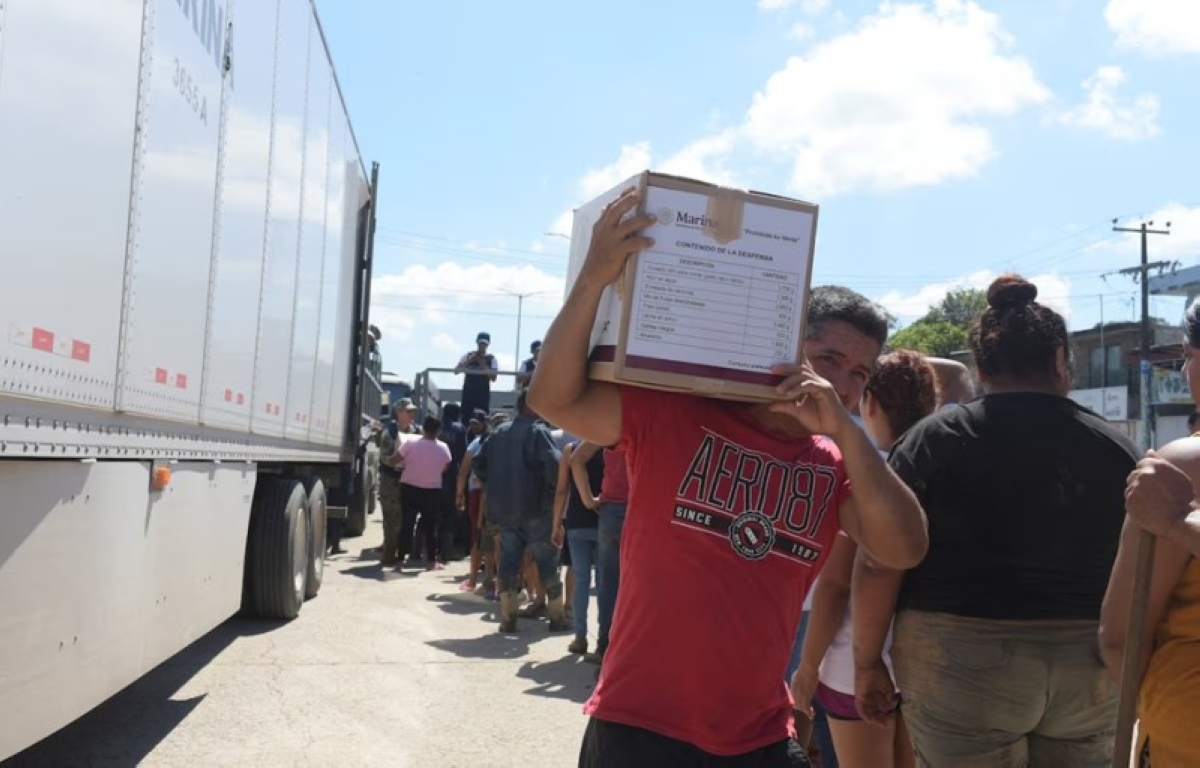
أعلنت الرئيسة كلوديا شيينباوم، التي تولت المنصب أخيراً، خطة طوارئ وطنية لدعم المناطق المتضررة، مشددة على التنسيق بين السلطات الفيدرالية والمحلية.وقالت شيينباوم في منشور على منصة «إكس»: «نستمر في التعامل مع الطوارئ في فيراكروز وهيدالغو وبويبلا وكويريتارو وسان لويس بوتوسي، بالتنسيق مع الحكام والسلطات الفيدرالية المختلفة».كما نشرت وزارة الدفاع الوطني (SEDENA) نحو 8700 جندي للمساعدة في الإجلاء والتنظيف، بينما نشرت وزارة البحرية (SEMAR) 3300 عنصر، إضافة إلى 18 قارباً، 6 مروحيات، 3 طائرات، و3 محطات تنقية مياه، و4 آلاف وجبة غذائية في بويبلا وفيراكروز وسان لويس بوتوسي.وأكدت شيينباوم أن الحكومة تعمل على إعادة فتح الطرق واستعادة الكهرباء، مشيرة إلى أن «الخطط DN-III-E ومارينا» (خطط الطوارئ العسكرية) مفعلة بالكامل.
The Mexican government announced that at least 44 people have died as a result of days of heavy rain and severe flooding that swept through 5 states in central and eastern coastal areas of the country, leading to landslides and widespread inundation of residential areas and roads. This extensive destruction is attributed to the remnants of Tropical Storm Priscilla, which was a former hurricane, and Tropical Storm Raymond, both of which caused heavy rainfall along Mexico's west coast, resulting in rising river levels and the collapse of bridges and slopes.
44 Dead in 5 States
According to an official statement from the National Coordination Committee for Civil Protection, the fatalities include 18 people in Veracruz on the Gulf Coast, 16 in Hidalgo north of Mexico City, 9 in Puebla east of the capital, and one in central Querétaro.
Authorities also reported the disappearance of dozens of people, with search operations ongoing for at least 27 missing individuals, while the floods affected more than 139 towns and cities, isolating entire communities due to road collapses and flowing rivers. In Veracruz, which recorded the highest rainfall amounts (over 540 millimeters, or about 21 inches between October 6 and 9), the city of Poza Rica experienced a natural disaster, as the Cazones River overflowed its banks, flooding streets with water up to 4 meters deep and causing vehicles to collide and homes to be inundated with mud.
Documenting Evacuations
The Mexican armed forces published photos documenting evacuation operations, where soldiers used rescue boats to transport residents, while rescue workers waded through waist-deep water in the flooded streets. Thousands of homes were also affected (about 16,000 in Veracruz alone), and landslides isolated 42 communities, with power outages affecting more than 320,000 users nationwide. In Hidalgo, local authorities reported that 1,000 homes were damaged, along with 59 hospitals and clinics and 308 schools, with communication outages in 90 communities and the collapse of major roads due to landslides. In Puebla, where the death toll reached 9 (with 13 missing), a tiger escaped from a flooded zoo in one municipality but was later captured, while in San Luis Potosí, the fifth affected state, the rains continued to close roads and destroy infrastructure.
Rapid Government Response
President Claudia Sheinbaum, who recently took office, announced a national emergency plan to support the affected areas, emphasizing coordination between federal and local authorities. Sheinbaum stated in a post on the "X" platform: "We continue to address the emergency in Veracruz, Hidalgo, Puebla, Querétaro, and San Luis Potosí, in coordination with governors and various federal authorities." The National Defense Ministry (SEDENA) deployed about 8,700 soldiers to assist with evacuations and cleanup, while the Navy Ministry (SEMAR) sent 3,300 personnel, in addition to 18 boats, 6 helicopters, 3 planes, and 3 water purification stations, along with 4,000 food meals in Puebla, Veracruz, and San Luis Potosí. Sheinbaum confirmed that the government is working to reopen roads and restore electricity, noting that the "DN-III-E and Marina" (military emergency plans) are fully activated.