يحتضن المتحف الوطني السعودي في الرياض معرضاً فريداً من نوعه تحت عنوان «روايات مسكوكة: إرث السعودية في العملات»، يفتح أبوابه حتى ديسمبر القادم، ليقدّم تجربة ثقافية غير مسبوقة تسرد تاريخ النقود الإسلامية منذ بداياتها الأولى وحتى نشأة الدولة السعودية الحديثة.
ويعرض المعرض مجموعة نادرة من المسكوكات الإسلامية، كثير منها يُعرض للمرة الأولى، تمثل محطات التحوّل في الهوية الاقتصادية والثقافية للعالم الإسلامي، خصوصاً العملات التي ضُربت في مكة المكرمة والمدينة المنورة، بما تحمله من رمزية دينية وحضارية عميقة.
من النقود المسيحية إلى الشهادة الإسلامية
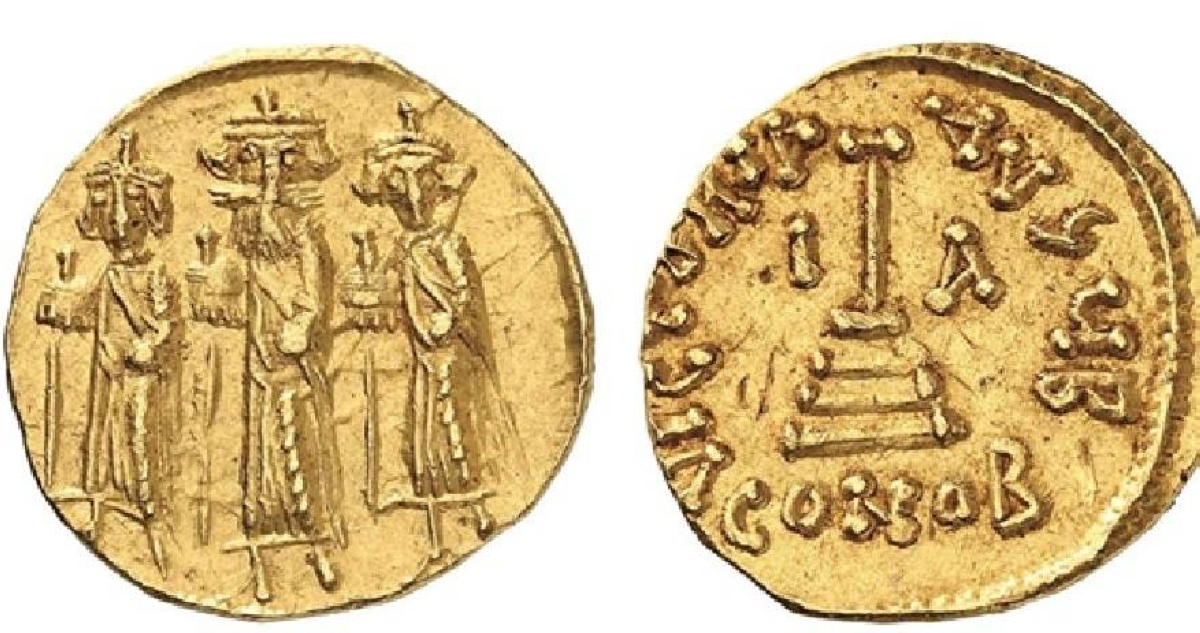
قال القيّم على المعرض وأحد أبرز جامعي العملات التاريخية في العالم آلان بارون في حديثه لـ CNN: «تُظهر هذه العملات كيف أدخل المسلمون النقود إلى العالم الإسلامي، وكيف عبّر الأمويون عن هويتهم بتحويل العملات المسيحية إلى إسلامية تحمل الشهادة».
وأوضح بارون أن كل قطعة نقدية في المعرض تحمل «رواية مسكوكة» بحد ذاتها، تُجسّد انتقال العرب من استخدام عملات الإمبراطوريات المجاورة إلى صياغة نظام نقدي يعكس استقلالهم الديني والسياسي.
الدينار الأموي.. أول بصمة نقدية إسلامية
من أبرز المعروضات الدينار الأموي الذهبي، أول دينار إسلامي خالص خالٍ من الصور البشرية، يحمل آيات قرآنية تؤكد وحدانية الله ورسالة الإسلام.
ويُعد هذا الدينار نقطة التحوّل الأولى في تاريخ النقد الإسلامي، إذ مثّل إعلانًا لاستقلال الهوية الاقتصادية والفكرية عن النماذج الرومانية والبيزنطية.
أول جنيه سعودي ذهبي
كما يعرض المعرض نسخة ذهبية تجريبية من أول جنيه سعودي مكافئ للجنيه الإسترليني، قُدمت للملك عبد العزيز آل سعود في باريس، مرفقة بملاحظاته بخط يده على التصميم، وتُعد هذه القطعة من أندر المقتنيات في تاريخ العملة السعودية.
رسائل من معادن الزمن
وفي ختام حديثه قال بارون: «العملات ليست مجرد معادن منقوشة، بل رسائل من التاريخ. أحيانًا تكون القطعة النقدية هي الدليل الوحيد الباقي من حضارة كاملة».
وأضاف أن الزوار سيغادرون المعرض مدركين كيف وُلدت النقود في العالم الإسلامي وكيف عكست ملامح الحياة والعقيدة والاقتصاد في تلك العصور.
تجربة لا تُفوَّت
يأتي المعرض ضمن جهود المتحف الوطني السعودي لتعزيز التواصل مع التراث الإسلامي والعالمي، ورفع الوعي بتاريخ العملات كجزء من الهوية الحضارية السعودية الممتدة عبر العصور.
The Saudi National Museum in Riyadh is hosting a unique exhibition titled "Minted Narratives: Saudi Heritage in Coins," which will open its doors until next December, offering an unprecedented cultural experience that narrates the history of Islamic currency from its early beginnings to the establishment of the modern Saudi state.
The exhibition showcases a rare collection of Islamic coins, many of which are displayed for the first time, representing pivotal moments in the economic and cultural identity of the Islamic world, especially the coins minted in Mecca and Medina, which carry deep religious and civilizational symbolism.
From Christian Coins to Islamic Testimony
Alan Baron, the curator of the exhibition and one of the world's foremost collectors of historical coins, said in an interview with CNN: "These coins show how Muslims introduced currency into the Islamic world and how the Umayyads expressed their identity by transforming Christian coins into Islamic ones that bear the testimony."
Baron explained that each coin in the exhibition carries its own "minted narrative," embodying the transition of the Arabs from using the currencies of neighboring empires to crafting a monetary system that reflects their religious and political independence.
The Umayyad Dinar: The First Islamic Monetary Stamp
Among the prominent exhibits is the gold Umayyad dinar, the first pure Islamic dinar free of human images, bearing Quranic verses that affirm the oneness of God and the message of Islam.
This dinar is considered the first turning point in the history of Islamic currency, as it represented a declaration of economic and intellectual independence from Roman and Byzantine models.
The First Gold Saudi Pound
The exhibition also features a trial gold version of the first Saudi pound, equivalent to the British pound, presented to King Abdulaziz Al Saud in Paris, accompanied by his handwritten notes on the design. This piece is considered one of the rarest collectibles in the history of Saudi currency.
Messages from the Metals of Time
In conclusion, Baron stated: "Coins are not just engraved metals; they are messages from history. Sometimes, the coin is the only remaining evidence of an entire civilization."
He added that visitors will leave the exhibition aware of how currency was born in the Islamic world and how it reflected the features of life, belief, and economy in those eras.
An Unmissable Experience
The exhibition is part of the Saudi National Museum's efforts to enhance communication with Islamic and global heritage and to raise awareness of the history of currency as part of the Saudi civilizational identity that has extended through the ages.