


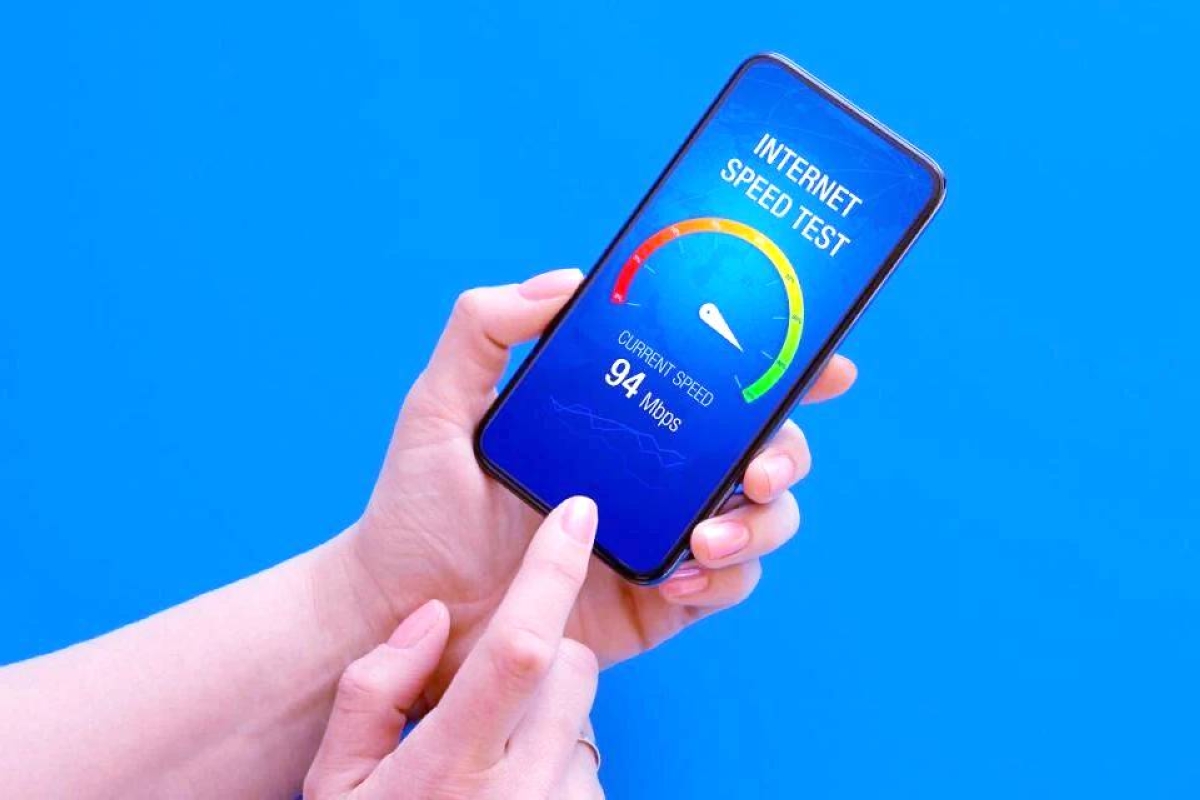
أعلن فريق من الباحثين في «المعهد الوطني لتكنولوجيا المعلومات والاتصالات» في اليابان، تحقيق رقم قياسي عالمي في سرعة الإنترنت بلغ 402 تيرابت في الثانية، وهي أسرع سرعة سُجلت على الإطلاق، باستخدام نظام ألياف ضوئية جديد رباعي القنوات.
وذكر الباحث الرئيس في المشروع الدكتور ماسايوكي فوكودا، أن الفريق استخدم تقنية نقل متعددة الطبقات تقلل التداخل وتزيد الكفاءة الطيفية، ما مكّنهم من نقل بيانات بحجم هائل عبر مسافة تفوق 50 كيلومتراً دون فقدٍ في الإشارة. وأضاف، أن التجربة تمهد لتقنيات اتصالات مستقبلية تدعم تطبيقات الذكاء الاصطناعي وتحليل البيانات العملاقة ونقل المعلومات الفضائية بسرعة غير مسبوقة. وأكد الباحثون، أن التجربة تُعد نقلة حقيقية في هندسة الألياف الضوئية، قد تغيّر شكل الاتصالات حول العالم خلال الأعوام المقبلة.
اليابان تحطّم الرقم القياسي في سرعة الإنترنت
7 أكتوبر 2025 - 03:46
|
آخر تحديث 7 أكتوبر 2025 - 03:46


تابع قناة عكاظ على الواتساب
«عكاظ» (طوكيو) OKAZ_online@
A team of researchers at the "National Institute of Information and Communications Technology" in Japan has announced a world record in internet speed of 402 terabits per second, the fastest speed ever recorded, using a new four-channel optical fiber system.
The lead researcher on the project, Dr. Masayuki Fukuda, stated that the team used a multi-layer transmission technology that reduces interference and increases spectral efficiency, allowing them to transmit a massive amount of data over a distance exceeding 50 kilometers without signal loss. He added that the experiment paves the way for future communication technologies that support applications in artificial intelligence, big data analysis, and the transmission of space information at unprecedented speeds. The researchers confirmed that the experiment represents a real breakthrough in optical fiber engineering, which could change the landscape of communications around the world in the coming years.
The lead researcher on the project, Dr. Masayuki Fukuda, stated that the team used a multi-layer transmission technology that reduces interference and increases spectral efficiency, allowing them to transmit a massive amount of data over a distance exceeding 50 kilometers without signal loss. He added that the experiment paves the way for future communication technologies that support applications in artificial intelligence, big data analysis, and the transmission of space information at unprecedented speeds. The researchers confirmed that the experiment represents a real breakthrough in optical fiber engineering, which could change the landscape of communications around the world in the coming years.


