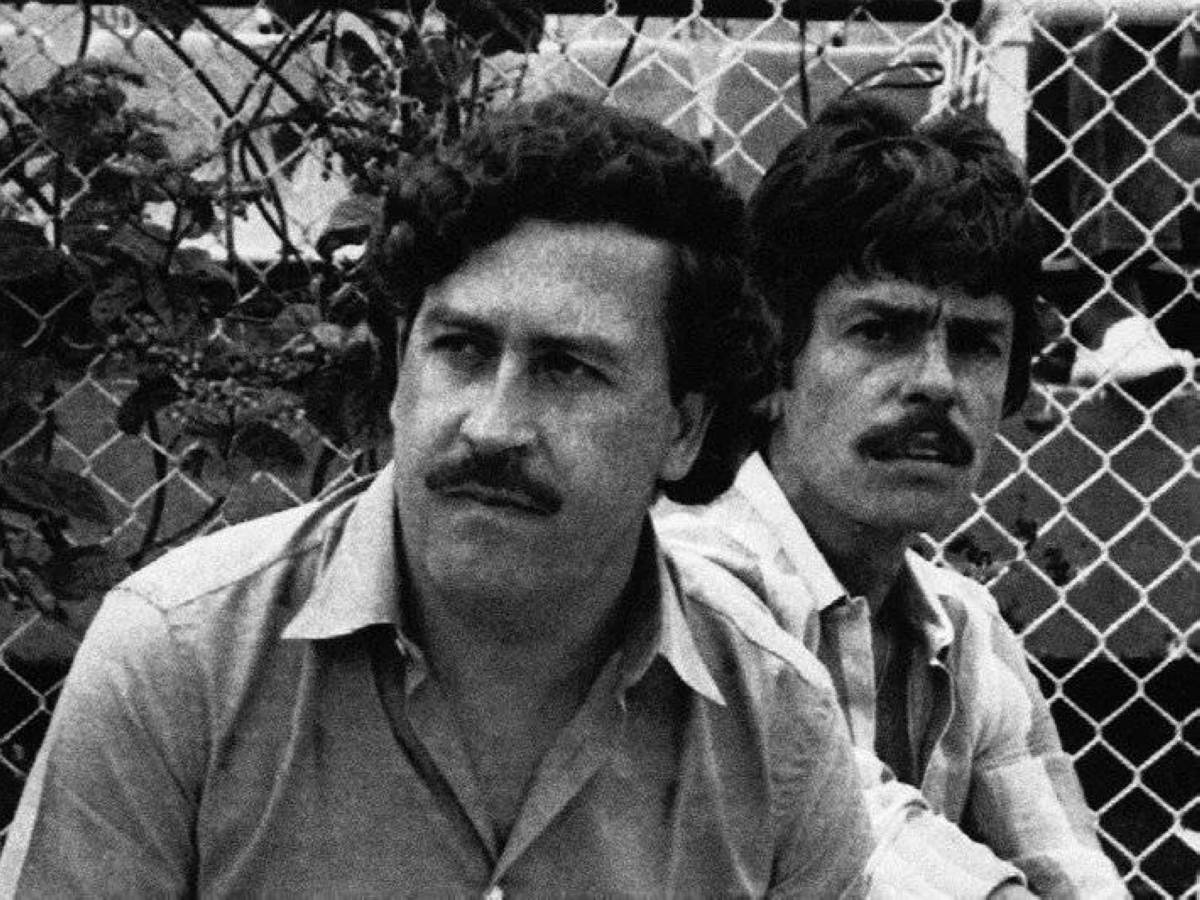
أعلن الرئيس الكولومبي غوستافو بيترو تسليم 120 هكتارا من أراضي هاسيندا نابوليس، التي كانت يوما معقلا لإمبراطورية المخدرات التي بناها الزعيم الإجرامي بابلو اسكوبار، إلى مجموعة من النساء اللواتي كن ضحايا النزاع المسلح الطويل في البلاد، وذلك في خطوة رمزية تعكس جهود الإصلاح الزراعي والعدالة الانتقالية.
ووفقا للسلطات الكولومبية، فإن هذه الأرض، المعروفة باسم «لا بيرلا»، ستُستخدم لبناء منازل وزراعة الأرض، مما يمثل انتصارا تاريخيا للنساء المزارعات اللواتي قاومن لسنوات طويلة لاستعادة حقوقهن.
وفي مايو الماضي، اقترح بيترو إدراج هاسيندا نابوليس في البرنامج، معتبرا أن «المزرعة مليئة بالموتى ويجب إعادتها إلى الشعب»، مشيرا إلى أن أصحابها الحقيقيين هم الفلاحون الريفيون.
وفي مطلع الشهر الجاري، أعلن المدير التنفيذي لوكالة الأراضي الوطنية فيليبي هارمان تسليم الأرض إلى «الجمعية لنساء يبنين نسيجا اجتماعيا»، بقيادة ميلينيري كوريا، التي وصفتها بـ«الأرض للحياة والأمل».
وهاسيندا نابوليس، الواقعة في مقاطعة أنتيوكيا شمال غرب كولومبيا، كانت في الثمانينيات رمزا لثراء اسكوبار الجنوني، الذي قُدرت ثروته بنحو 25 مليار دولار وفقا لمجلة فوربس، وأسس اسكوبار، زعيم كارتل ميديين، هذه المزرعة الشاسعة التي امتدت على أكثر من 4000 هكتار، محولا إياها إلى قصر فاخر يضم حديقة حيوان خاصة مليئة بحيوانات أفريقية نادرة، بما في ذلك الفيلة والزرافات والتماسيح، إضافة إلى سباقات الخيول ومطار خاص.
واشتهرت المزرعة أيضا بـ«فخذي الطائرة»، نسخة مصغرة لطائرة كوكايين استخدمها اسكوبار في تهريب المخدرات إلى الولايات المتحدة، وكانت تعج بالأمن الخاص والقوانين الخاصة بها، مما جعلها «إمبراطورية مستقلة» عن الدولة الكولومبية.
ومع قتل اسكوبار في عام 1993 خلال عملية شرطية، صادرت الدولة المزرعة عبر إجراءات الاستيلاء على الأصول غير المشروعة، وتحولت تدريجيا إلى حديقة ترفيهية شهيرة تضم فندقا وحديقة حيوان، تجذب السياح الراغبين في استكشاف تاريخ الناركوترافيك.
ومع ذلك، أصبحت الفرس النهرية التي أحضرها اسكوبار مشكلة بيئية كبرى، إذ تكاثرت إلى نحو 150 وتُصنف كأنواع غازية تهدد الزراعة والسكان المحليين، مع توقعات بوصول عددها إلى 1000 بحلول 2035.
يأتي هذا القرار في سياق النزاع المسلح الذي دام أكثر من ستة عقود، والذي أودى بحياة نحو 220 ألف شخص وشرد سبعة ملايين آخرين، بين قوات الحكومة والمتمردين اليساريين مثل FARC، والكارتلات الإجرامية، والباراميليتاريين اليمينيين، إذ كانت ملكية الأرض محور الصراع الرئيسي، حيث أدى الناركوترافيك والعنف إلى نزوح المزارعين وسرقة أراضيهم.
بعد اتفاق السلام في هافانا عام 2016، أصبحت إعادة توزيع الأراضي أولوية، إذ أعاد بيترو، الرئيس اليساري الأول في تاريخ كولومبيا، نحو 570 ألف هكتار إلى الفلاحين حتى الآن، كجزء من برنامج الإصلاح الزراعي الذي يهدف إلى تعويض الضحايا.
Colombian President Gustavo Petro announced the handing over of 120 hectares of Hacienda Nápoles land, which was once a stronghold of the drug empire built by criminal leader Pablo Escobar, to a group of women who were victims of the long-standing armed conflict in the country. This symbolic step reflects efforts for land reform and transitional justice.
According to Colombian authorities, this land, known as "La Perla," will be used to build homes and cultivate the land, representing a historic victory for women farmers who have fought for many years to reclaim their rights.
Last May, Petro proposed including Hacienda Nápoles in the program, considering that "the farm is filled with the dead and must be returned to the people," noting that its true owners are rural farmers.
At the beginning of this month, Felipe Harman, the executive director of the National Land Agency, announced the transfer of the land to "the association of women building a social fabric," led by Milenieri Correa, who described it as "the land of life and hope."
Hacienda Nápoles, located in Antioquia province in northwestern Colombia, was in the 1980s a symbol of Escobar's insane wealth, estimated by Forbes magazine to be around $25 billion. Escobar, the leader of the Medellín Cartel, established this vast farm, which spanned over 4,000 hectares, transforming it into a luxurious palace that included a private zoo filled with rare African animals, including elephants, giraffes, and crocodiles, as well as horse racing and a private airport.
The farm was also famous for the "airplane thighs," a miniature version of a cocaine plane used by Escobar to smuggle drugs into the United States, and it was bustling with private security and its own laws, making it an "independent empire" from the Colombian state.
With Escobar's death in 1993 during a police operation, the state seized the farm through illegal asset confiscation procedures, and it gradually transformed into a popular amusement park featuring a hotel and a zoo, attracting tourists eager to explore the history of narcotrafficking.
However, the hippos brought by Escobar have become a major environmental problem, as their population has surged to around 150 and they are classified as an invasive species threatening agriculture and local populations, with projections of their numbers reaching 1,000 by 2035.
This decision comes in the context of an armed conflict that has lasted more than six decades, claiming the lives of around 220,000 people and displacing seven million others, between government forces and leftist rebels like FARC, criminal cartels, and right-wing paramilitaries, where land ownership has been the main point of conflict, as narcotrafficking and violence led to the displacement of farmers and the theft of their lands.
After the peace agreement in Havana in 2016, land redistribution became a priority, as Petro, the first leftist president in Colombia's history, has returned about 570,000 hectares to farmers so far, as part of a land reform program aimed at compensating victims.