في عام 79 ميلادي، ثار جبل فيزوف فجأة، ليمحو مدينة بومبيي الرومانية من الوجود خلال 32 ساعة فقط، تاركًا خلفه أطلالًا مغبرة وذاكرة جماعية عن الدمار الكامل. ولكن هل كانت النهاية فعلًا؟
مفاجأة أثرية
كشفت دراسة جديدة أن الكارثة لم تكن آخر فصول المدينة. لأن بعض السكان الذين نجوا من الجحيم عادوا فعلًا إلى بومبيي! وليس فقط ليسترجعوا متعلقاتهم، بل ليعيدوا الحياة إلى أطلالها وسط الفوضى.
أدلة بين الأنقاض
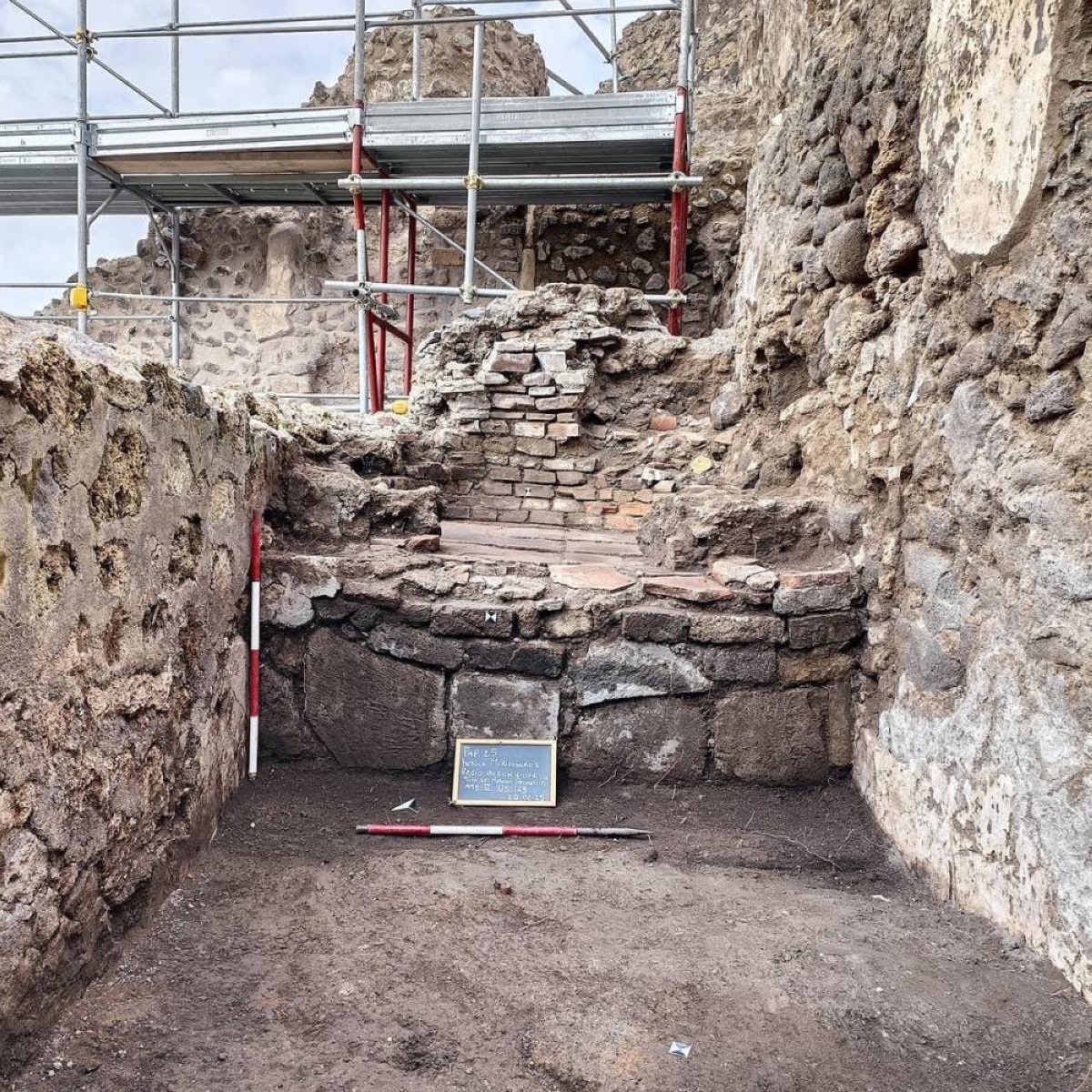
وبحسب صحيفة نيويورك تايمز فإن عمليات تنقيب حديثة في حي «إنسولا ميريديوناليس» بجنوب بومبيي، كشفت وجود أفران ومبانٍ أعيد استخدامها من بقايا المدينة. وهذا يشير إلى أن المدينة لم تكن مهجورة بالكامل، بل تحولت إلى مستوطنة غير رسمية، استمرت لسنوات بعد الانفجار.
مدينة أشباح.. مأهولة
العودة لم تكن فقط من الناجين، بل انضم إليهم آخرون جذبهم الأمل أو الطمع. ويعتقد الباحثون أن الحياة استمرت في الطوابق العلوية للمباني التي بقيت فوق رماد البركان، رغم الخطر والدمار.
ذاكرة منحازة
وبحسب مدير الحديقة الأثرية غابرييل زوختريغل، فإن الاهتمام كان ينصب دائمًا على لحظة الانفجار فقط. لكن التنقيبات الحديثة أظهرت جانبًا آخر من القصة: بومبيي لم تمت فجأة، بل ظلت تقاوم بصمت.
تجاهل الأدلة
وأوضح زوختريغل أن علماء الآثار تجاهلوا لفترة طويلة «الآثار الباهتة» للعودة إلى بومبيي، حيث كان هدفهم الأساسي العثور على القطع الأثرية المحفوظة جيدًا، لا دراسة حياة ما بعد الكارثة.
لماذا عادوا؟
وفق الدراسة، لم تكن العودة فقط من أجل الإنقاذ أو الحنين، بل بسبب الضرورة. ويقول زوختريغل: «كان من الطبيعي أن يحاول الناس العودة فورًا. لم يكن أمامهم خيار آخر».
In the year 79 AD, Mount Vesuvius erupted suddenly, erasing the Roman city of Pompeii from existence in just 32 hours, leaving behind dusty ruins and a collective memory of total destruction. But was it really the end?
Archaeological Surprise
A new study has revealed that the disaster was not the last chapter for the city. Some survivors who escaped the hell actually returned to Pompeii! Not only to retrieve their belongings but to bring life back to its ruins amidst the chaos.
Evidence Among the Ruins
According to The New York Times, recent excavations in the “Insula Meridionalis” district in southern Pompeii uncovered ovens and buildings that were reused from the remnants of the city. This indicates that the city was not completely abandoned; rather, it transformed into an informal settlement that lasted for years after the eruption.
A Ghost Town... Inhabited
The return was not only from the survivors; others were drawn by hope or greed. Researchers believe that life continued in the upper floors of the buildings that remained above the volcanic ash, despite the danger and destruction.
Biased Memory
According to the director of the archaeological park, Gabriel Zuchtriegel, the focus has always been on the moment of the eruption alone. However, recent excavations have shown another side of the story: Pompeii did not die suddenly; it continued to resist quietly.
Ignoring the Evidence
Zuchtriegel explained that archaeologists long ignored the “faint traces” of the return to Pompeii, as their primary goal was to find well-preserved artifacts, not to study life after the disaster.
Why Did They Return?
According to the study, the return was not just for rescue or nostalgia, but out of necessity. Zuchtriegel states, “It was natural for people to try to return immediately. They had no other choice.”