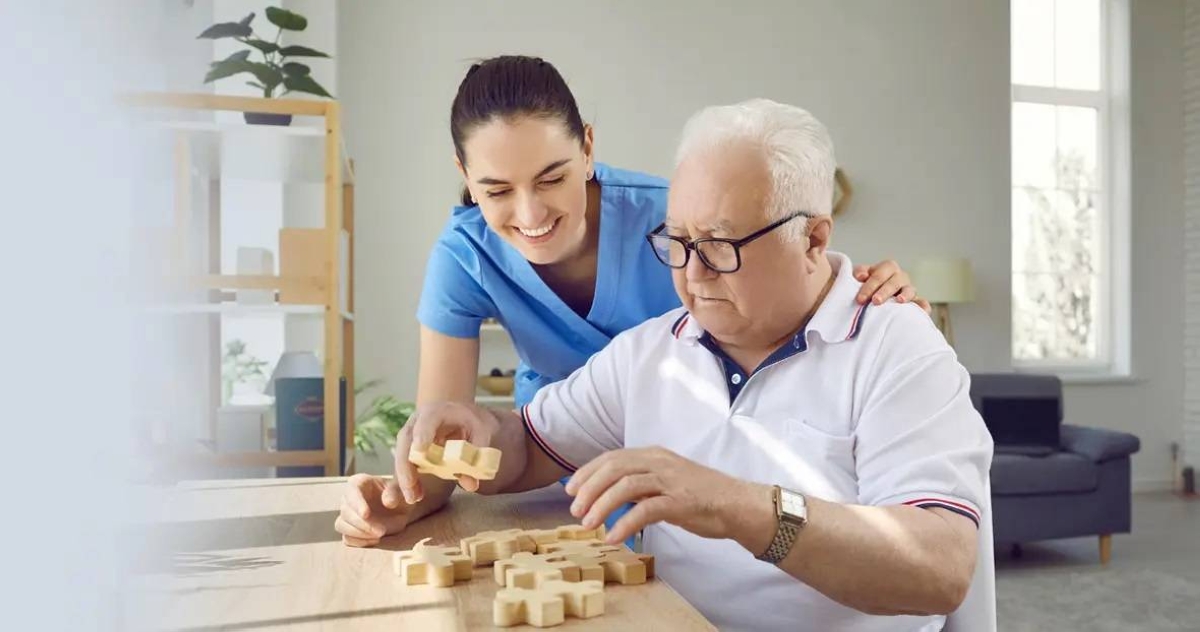
تُعد الألغاز أداة فعالة لتعزيز صحة الدماغ والرفاهية النفسية، خاصة لكبار السن، لكنها جزء من نهج شامل يتضمن التغذية والحركة والتفاعل الاجتماعي لتأخير أعراض الخرف وتحسين جودة الحياة.
الألغاز تؤخر أعراض الخرف
وبحسب صحيفة «الغارديان» أوضحت أستاذة علم التشريح العصبي السريري بجامعة ساوثهامبتون الدكتورة روكسي كاراري، أن الأحجيات والألغاز تساهم في تأخير ظهور أعراض الخرف وتفاقمها، وليست علاجًا مباشرًا له.
وأشارت إلى أن الخرف هو مصطلح شامل يصف حالات تؤدي إلى تراجع الوظائف الإدراكية، وقد رُبطت بعض أنواعه بضعف إزالة الفضلات من الدماغ.
وأكدت كاراري أن أي نشاط عقلي، مثل حل الألغاز، يحفز تدفق الدم إلى مناطق الدماغ المسؤولة عن هذا النشاط، مما يساعد الأوعية الدموية على الانفتاح لتغذية الدماغ وإزالة السموم.
وأوضحت أن هذه العملية تتطلب جدران أوعية دموية مرنة، موضحة أن عوامل مثل الجينات، وارتفاع ضغط الدم، وارتفاع الكوليسترول، والسكري، إلى جانب خيارات نمط الحياة مثل التدخين وسوء التغذية، يمكن أن تؤدي إلى تصلب هذه الجدران، مما يقلل كفاءة الدماغ في استقبال العناصر الغذائية وطرد السموم.
تعزيز تدفق الدم
وتوضح كاراري: «عندما تحل لغزًا، تُفعّل مناطق مختلفة من الدماغ مثل الرؤية، والتفكير الارتباطي، والذاكرة، مما يعزز تدفق الدم إلى هذه المناطق، حتى في الأوعية المتضررة قليلاً، ويساعد في الحفاظ على وظائفها».
كما أن هناك فوائد نفسية، خاصة لكبار السن، إذ تمنح الألغاز شعورًا بالإنجاز، مما يعزز الرفاهية. وإذا تم حلها مع آخرين، فإنها تقلل من الشعور بالوحدة، التي وصفتها كاراري بأنها «مدمرة للأمراض المرتبطة بالتقدم في العمر».
توصية طبية
وتوصي كاراري بتبني نمط حياة يدعم صحة الدماغ، يشمل الحركة، والتغذية الجيدة، والأنشطة التي تُحفز أجزاء متعددة من الدماغ وتتضمن التفاعل الاجتماعي، مثل المشي، أو ممارسة الرياضة، أو زيارة المعارض.
وأكدت أنه بالنسبة للأشخاص المعرضين جينيًا للخرف، هذه الخيارات لن تمنع المرض، لكنها قد تؤخر ظهور الأعراض مقارنة بمن لا يتبعونها.
Puzzles are an effective tool for enhancing brain health and mental well-being, especially for the elderly, but they are part of a comprehensive approach that includes nutrition, movement, and social interaction to delay the symptoms of dementia and improve quality of life.
Puzzles Delay Symptoms of Dementia
According to The Guardian, Dr. Roxy Karari, a professor of clinical neuroanatomy at the University of Southampton, explained that puzzles and riddles contribute to delaying the onset and worsening of dementia symptoms, but they are not a direct treatment for it.
She pointed out that dementia is an umbrella term that describes conditions leading to cognitive decline, and some types have been linked to impaired waste removal from the brain.
Karari emphasized that any mental activity, such as solving puzzles, stimulates blood flow to the areas of the brain responsible for this activity, helping blood vessels to open up to nourish the brain and remove toxins.
She explained that this process requires flexible blood vessel walls, noting that factors such as genetics, high blood pressure, high cholesterol, diabetes, along with lifestyle choices like smoking and poor nutrition, can lead to the hardening of these walls, reducing the brain's efficiency in receiving nutrients and expelling toxins.
Enhancing Blood Flow
Karari explains: "When you solve a puzzle, different areas of the brain are activated, such as vision, associative thinking, and memory, which enhances blood flow to these areas, even in slightly damaged vessels, and helps maintain their functions."
There are also psychological benefits, especially for the elderly, as puzzles provide a sense of accomplishment, enhancing well-being. If solved with others, they reduce feelings of loneliness, which Karari described as "devastating for age-related diseases."
Medical Recommendation
Karari recommends adopting a lifestyle that supports brain health, including movement, good nutrition, and activities that stimulate multiple parts of the brain and involve social interaction, such as walking, exercising, or visiting exhibitions.
She confirmed that for individuals genetically predisposed to dementia, these options will not prevent the disease, but they may delay the onset of symptoms compared to those who do not follow them.