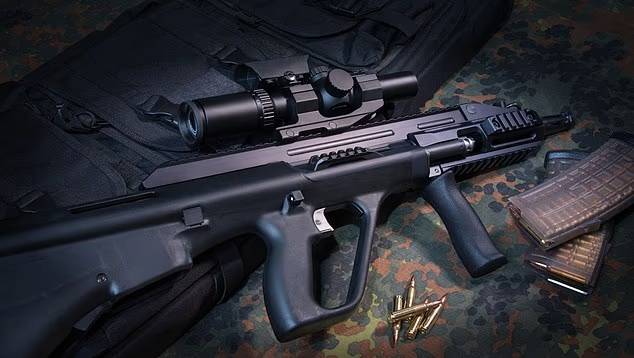
أصيب جندي من القوات الخاصة البريطانية بإصابات مدمرة بعد أن أطلق عليه زميله سبع طلقات من مسافة قريبة باستخدام ذخيرة حيّة خلال تمرين لتدريب استعادة الرهائن، وفقاً لتقرير صحيفة The Sun. ولم تُكشف أسماء الجنود أو وحدتهم لأسباب تتعلق بالأمن القومي.
خطأ قاتل
الجندي المسؤول عن إطلاق النار (المعروف بالجندي B) كان يعتقد أنه يستخدم ذخيرة فارغة. وعلمت المحكمة العسكرية في بولفورد أنه جندي متمرس كان يتدرب مع الوحدة لأول مرة، وأن رغبته في الظهور بشكل جيد وسرعة إعادة تحميل السلاح ساهمت في وقوع الحادثة.
الإصابات وتأثيرها
نجا الجندي المصاب (المعروف بالجندي A) بفضل الدرع الواقي الذي ارتداه، لكنه عانى من إصابات تهدّد حياته واضطر للخروج من القوات المسلحة لأسباب طبية، إضافة إلى معاناته من اضطراب ما بعد الصدمة PTSD. وقال في إفادته: «لو لم أكن أرتدي درعي الواقي، لكنت قتلت على الفور».
إخفاقات أمنيّة
ساهمت سلسلة من الأخطاء في الحادثة، بما في ذلك إلغاء إحاطة السلامة وعدم وجود تمييز بصري واضح بين مخازن الذخيرة الحية والفارغة. وخلال التمرين، تولى الجندي B دور إطلاق النار بعد أن «سقط» زملاؤه في السيناريو، ولم يتحقق بشكل صحيح من نوعية الذخيرة قبل الاستخدام.
إطلاق النار وتداعياته
أطلق الجندي B ما مجموعه 23 طلقة حية خلال التمرين، لكن آخر سبع طلقات كانت السبب في إصابة الجندي A في الصدر والبطن والذراعين. وقد خضع الجندي A لعمليات جراحية عدة لإعادة البناء، وتبقى لديه ندوب دائمة وإصابات تؤثر على حياته اليومية.
عقوبة الجندي
حُكم على الجندي B بالسجن مع وقف التنفيذ لمدة ستة أشهر، وأمرت المحكمة بدفع تعويض مالي قدره 5,000 آلاف جنيه إسترليني للجندي المصاب، بعد أن قدم اعتذاراً أثناء زيارة المستشفى.
A British special forces soldier suffered devastating injuries after being shot seven times at close range by a fellow soldier using live ammunition during a hostage recovery training exercise, according to a report by The Sun. The names of the soldiers and their unit were not disclosed for national security reasons.
Fatal Mistake
The soldier responsible for the shooting (known as Soldier B) believed he was using blank ammunition. The military court in Bulford learned that he was an experienced soldier training with the unit for the first time, and his desire to perform well and the speed of reloading contributed to the incident.
Injuries and Their Impact
The injured soldier (known as Soldier A) survived thanks to the protective armor he was wearing, but he suffered life-threatening injuries and had to leave the armed forces for medical reasons, in addition to suffering from post-traumatic stress disorder (PTSD). He stated in his testimony: "If I hadn't been wearing my protective armor, I would have been killed instantly."
Security Failures
A series of mistakes contributed to the incident, including the cancellation of the safety briefing and the lack of clear visual distinction between live and blank ammunition stores. During the exercise, Soldier B took on the role of firing after his colleagues "fell" in the scenario, and he did not properly check the type of ammunition before use.
The Shooting and Its Consequences
Soldier B fired a total of 23 live rounds during the exercise, but the last seven rounds were responsible for injuring Soldier A in the chest, abdomen, and arms. Soldier A underwent several reconstructive surgeries and is left with permanent scars and injuries that affect his daily life.
Soldier's Penalty
Soldier B was sentenced to six months of suspended imprisonment, and the court ordered him to pay £5,000 in compensation to the injured soldier after he apologized during a hospital visit.