تابع قناة عكاظ على الواتساب
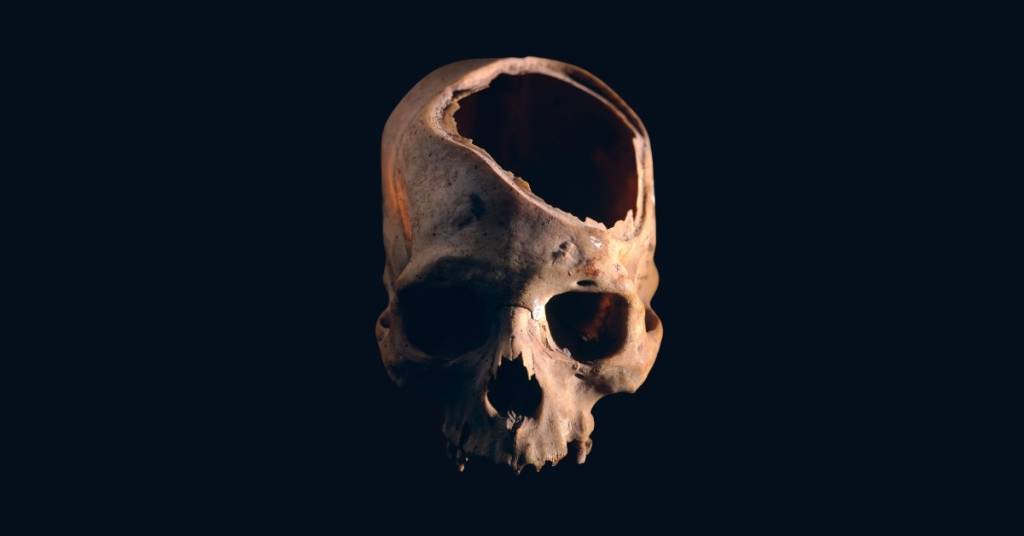
في مجمع «ترانغ آن» بفيتنام، عثر علماء الآثار على هيكل عظمي لرجل أُطلق عليه TBH1 عاش قبل نحو 12 ألف سنة، ليكتشفوا أنه لم يمت وفاة طبيعية كما كان يُعتقد، بل كان ضحية جريمة قتل موغلة في القدم.
أدلة على العظام
وجد الفريق البحثي بقيادة عالم الآثار كريستوفر ستيمبسون كسراً نادراً في ضلع الرقبة، إلى جانب قطعة حجرية حادة من الكوارتز غير محلية المنشأ. وأظهر التحليل أن القطعة استُخدمت كسلاح، واخترقت عنق الرجل، مسببة التهابات قاتلة أنهت حياته بعد أيام من الألم.
أقدم جريمة في المنطقة
يُرجح أن هذه الواقعة تمثل أقدم دليل موثق على العنف البشري في جنوب شرق آسيا، لتصبح بمثابة «قضية باردة» من عصور ما قبل التاريخ، كشفها مزيج من تقنيات علم الحفريات وأساليب تحليل شبيهة بالطب الشرعي الحديث.
نافذة على ماضٍ دموي
رغم أن معظم جرائم القتل القديمة ضاعت مع الزمن، فإن قصة TBH1 تكشف أن الصراع والعنف رافقا الإنسان منذ فجر التاريخ، لتذكرنا بأن جذور العنف أعمق بكثير مما نتصور.
In the "Trang An" complex in Vietnam, archaeologists discovered the skeleton of a man dubbed TBH1 who lived about 12,000 years ago, only to find that he did not die of natural causes as previously thought, but was a victim of a long-ago murder.
Evidence from the Bones
The research team led by archaeologist Christopher Stempston found a rare fracture in a neck rib, along with a sharp piece of quartz that was not locally sourced. Analysis showed that the piece was used as a weapon, penetrating the man's neck and causing fatal infections that ended his life after days of pain.
The Oldest Crime in the Region
This incident is believed to represent the oldest documented evidence of human violence in Southeast Asia, becoming a "cold case" from prehistoric times, revealed by a combination of excavation techniques and methods of analysis similar to modern forensic science.
A Window into a Bloody Past
Although most ancient murders have been lost to time, the story of TBH1 reveals that conflict and violence have accompanied humanity since the dawn of history, reminding us that the roots of violence run much deeper than we might imagine.