


يوافق 22 سبتمبر اليوم العالمي الخالي من السيارات، وهي مبادرة دولية تدعو سكان المدن لترك مركباتهم ليوم كامل، فيتحول صخب الشوارع المعتاد إلى صمت نسبي تملأه خطوات المارة وأجراس الدراجات. انطلقت هذه الدعوة المنظمة عام 1994، عندما قدّم الباحث إريك بريتون محاضرته الشهيرة في مؤتمر المدن المنفتحة بمدينة طليطلة الإسبانية، لتتوسع لاحقاً عبر أوروبا ضمن أسبوع التنقل الأوروبي عام 2000، قبل أن تتحول إلى ظاهرة عالمية تشمل آلاف المدن. وقدمت بوغوتا الكولومبية المثال الأبرز، إذ تغلق شوارعها كل يوم أحد لتصبح مسرحاً للركض والموسيقى والرياضة، فيما جعلت جاكرتا من آخر أحد في كل شهر يوماً خالياً من المركبات، لتتحول شوارعها إلى فضاء اجتماعي نابض بالحياة.
ولكن تخيّل.. ماذا لو انتقلت هذه التجربة إلى العالم العربي: كيف سيبدو مشهد «طريق الملك فهد» في الرياض مثلاً بلا سيارات ولا زحام؟ هل سيتحول «شارع التحلية» في جدة إلى ممشى واسع يلتقي فيه الناس ويقضون يومهم بين الدراجات والموسيقى والمقاهي المفتوحة؟ وكيف سيبدو «ميدان التحرير» أو «ميدان رمسيس» في القاهرة، وقد خَلَوَا من المركبات وامتلآ بالمتنزهين والأنشطة الثقافية والرياضية؟ هل سيعيد يوم واحد كهذا تعريف علاقتنا بالمدينة، ويجعلنا نتأمل مستقبل النقل الجماعي في مدننا؟ وهل يمكن أن يتحول هذا الخيال إلى تقليد سنوي يغير شكل الحياة في الرياض، القاهرة، بيروت، دبي، جدة وغيرها.
بحسب مصادر متعددة ووفق تحليل بيانات أجراه Hedges & Company في يناير 2025، يُقدَّر أن هناك نحو 1.644 مليار مركبة في العالم.
كيف تبدو شوارع الرياض والقاهرة ومدن عربية أخرى بلا سيارات؟
22 سبتمبر 2025 - 01:20
|
آخر تحديث 22 سبتمبر 2025 - 01:20
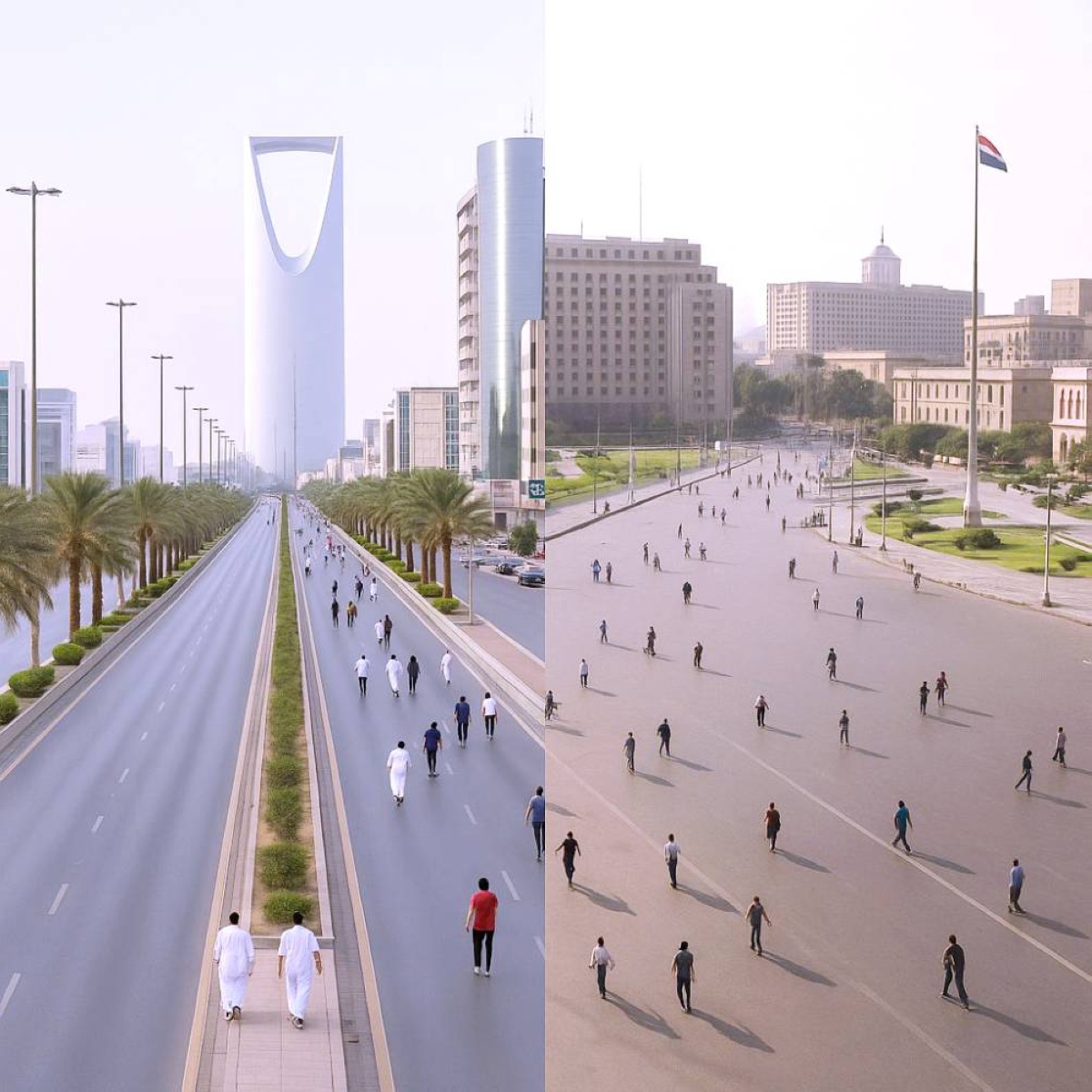
صورة تخيلية للرياض والقاهرة بلا سيارات. (Ai)


تابع قناة عكاظ على الواتساب
«عكاظ» (جدة) OKAZ_online@
September 22 marks the World Car-Free Day, an international initiative that invites city residents to leave their vehicles for a full day, transforming the usual street noise into a relative silence filled with the footsteps of pedestrians and the ringing of bicycles. This organized call began in 1994 when researcher Eric Britton delivered his famous lecture at the Open Cities Conference in Toledo, Spain, and later expanded across Europe during European Mobility Week in 2000, before evolving into a global phenomenon encompassing thousands of cities. Bogotá, Colombia, provided the most prominent example, as it closes its streets every Sunday to become a stage for running, music, and sports, while Jakarta has made the last Sunday of every month a car-free day, turning its streets into a vibrant social space.
But imagine... what if this experience were to move to the Arab world: how would the scene of "King Fahd Road" in Riyadh look, for example, without cars or congestion? Would "Tahlia Street" in Jeddah turn into a wide promenade where people meet and spend their day among bicycles, music, and open cafes? And how would "Tahrir Square" or "Ramses Square" in Cairo appear, empty of vehicles and filled with strollers and cultural and sports activities? Would a day like this redefine our relationship with the city and make us reflect on the future of public transport in our cities? And could this imagination transform into an annual tradition that changes the way of life in Riyadh, Cairo, Beirut, Dubai, Jeddah, and others?
According to various sources and an analysis of data conducted by Hedges & Company in January 2025, it is estimated that there are about 1.644 billion vehicles in the world.
But imagine... what if this experience were to move to the Arab world: how would the scene of "King Fahd Road" in Riyadh look, for example, without cars or congestion? Would "Tahlia Street" in Jeddah turn into a wide promenade where people meet and spend their day among bicycles, music, and open cafes? And how would "Tahrir Square" or "Ramses Square" in Cairo appear, empty of vehicles and filled with strollers and cultural and sports activities? Would a day like this redefine our relationship with the city and make us reflect on the future of public transport in our cities? And could this imagination transform into an annual tradition that changes the way of life in Riyadh, Cairo, Beirut, Dubai, Jeddah, and others?
According to various sources and an analysis of data conducted by Hedges & Company in January 2025, it is estimated that there are about 1.644 billion vehicles in the world.




