


هل يهدد غسول الفم الأوعية الدموية بالضعف؟
19 سبتمبر 2025 - 01:17
|
آخر تحديث 19 سبتمبر 2025 - 01:17


تابع قناة عكاظ على الواتساب
«عكاظ» (جدة) OKAZ_online@
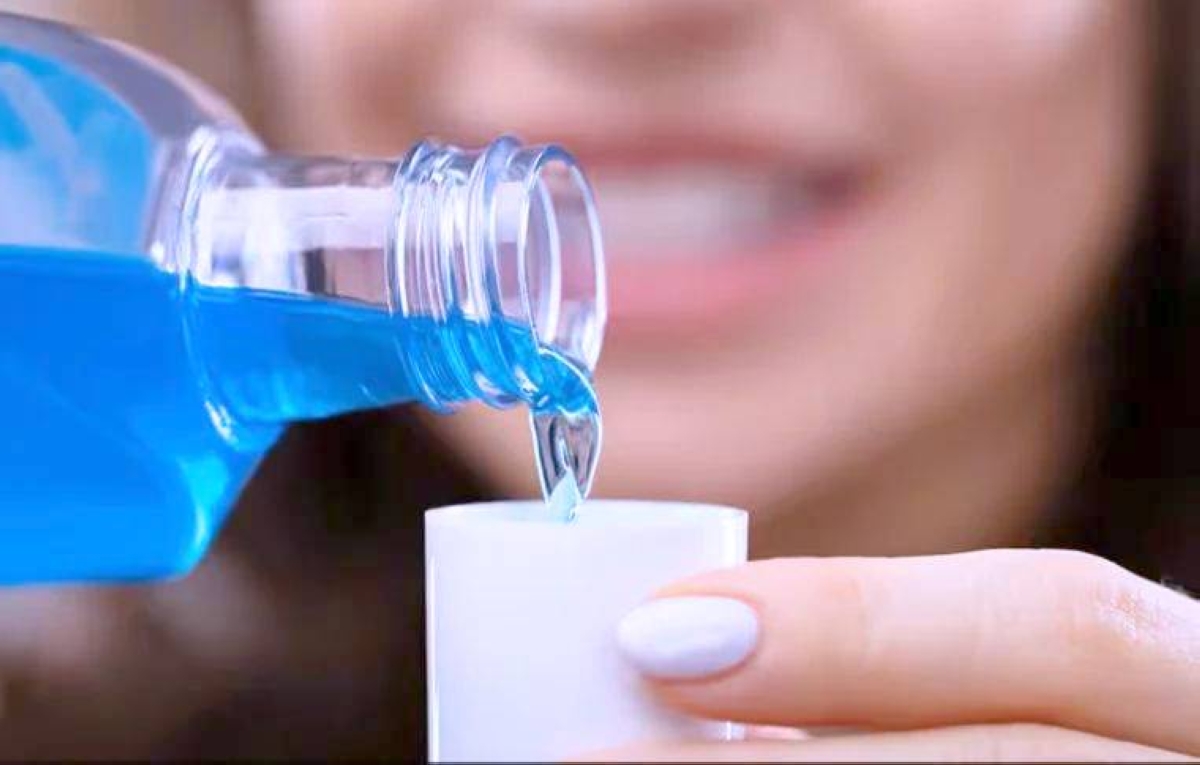
كشفت دراسة حديثة أُجريت في جامعة إكستر، أن استخدام غسول الفم الشهير (ليسترين) لمدة أسبوعين قد يؤدي إلى إضعاف وظيفة الأوعية الدموية لدى الشباب، نتيجة تقليل تنوع البكتيريا الفموية، رغم أنه لم يتسبب في ارتفاع ضغط الدم. وأكد الباحثون أن هذه النتائج تبرز دور بكتيريا الفم في إنتاج أكسيد النيتريك المسؤول عن تنظيم ضغط الدم، خصوصا مع التقدم في العمر. وبحسب ما نقل موقع (ستادي فايندز)، حذر الخبراء من الإفراط في استعمال الغسول المطهّر، لما قد يُسببه من خلل في البكتيريا الداعمة لصحة القلب والأوعية الدموية. وأظهرت النتائج وجود فجوة عمرية لافتة؛ إذ استفاد كبار السن من تناول عصير الشمندر في خفض ضغط الدم، بينما لم يحقق الشباب الأصحاء الفوائد ذاتها. الدراسة شملت 75 مشاركاً، منهم 39 شخصاً تحت سن الثلاثين، و36 آخرين في العقدين السادس والسابع من العمر، وخضعوا لثلاث فترات علاج منفصلة استمرت أسبوعين لكل منها مع فترات استراحة لإعادة ضبط أنظمتهم الحيوية. وأكد الباحثون أن هذه النتائج لا تعني التخلي عن غسول الفم تماماً، لكنها تدعو إلى وعي أكبر بآثاره الجانبية، وضرورة الموازنة بين الفوائد المتمثلة في نظافة الفم والمخاطر المحتملة على صحة الأوعية الدموية.
A recent study conducted at the University of Exeter revealed that using the popular mouthwash (Listerine) for two weeks may weaken vascular function in young people due to a reduction in oral bacterial diversity, although it did not cause an increase in blood pressure. Researchers emphasized that these findings highlight the role of oral bacteria in producing nitric oxide, which is responsible for regulating blood pressure, especially with aging. According to what was reported by the website (Study Finds), experts warned against excessive use of the antiseptic mouthwash, as it may disrupt the bacteria that support heart and vascular health. The results showed a notable age gap; older adults benefited from consuming beetroot juice in lowering blood pressure, while healthy young people did not achieve the same benefits. The study included 75 participants, 39 of whom were under the age of thirty, and 36 others in their sixties and seventies, who underwent three separate treatment periods lasting two weeks each, with breaks to reset their biological systems. Researchers confirmed that these results do not mean completely abandoning mouthwash, but rather call for greater awareness of its side effects and the need to balance the benefits of oral cleanliness with the potential risks to vascular health.


