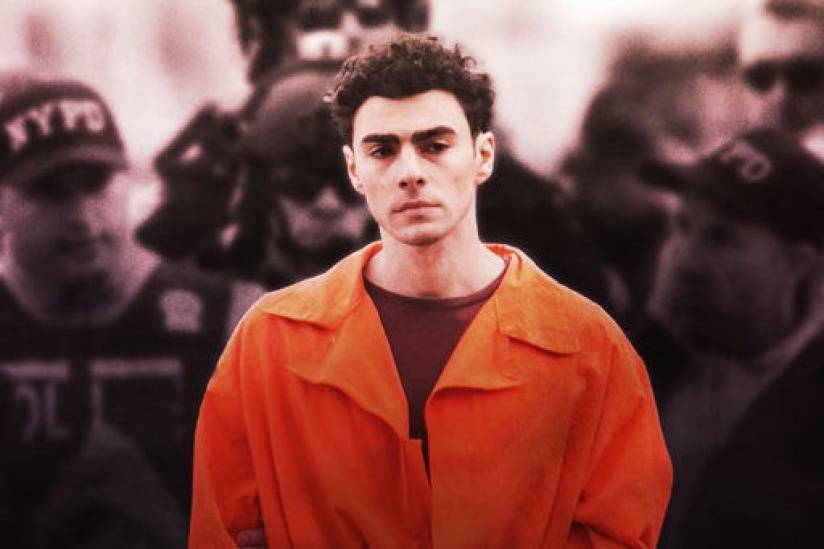
ألغت محكمة نيويورك، أمس (الثلاثاء)، تهم الإرهاب الموجهة إلى لويجي مانجيوني، المتهم في قتل الرئيس التنفيذي لشركة UnitedHealthcare العام الماضي، بما في ذلك تهمة القتل من الدرجة الأولى التي كانت قد تُسجنه مدى الحياة. واعتبر القاضي غريغوري كارو الأدلة المقدمة غير كافية من الناحية القانونية لدعم هذه التهم.
تواصل المحاكمة
رغم إسقاط تهم الإرهاب، لا يزال مانجيوني يواجه تهمة القتل من الدرجة الثانية وفق قانون نيويورك، التي قد تُسجنه من 25 سنة إلى مدى الحياة، إلى جانب تسع تهم إضافية تتعلق بالحادثة. ولم يتم تحديد مواعيد المحاكمة لهذه القضايا بعد، ويواجه أيضاً تهماً فدرالية قد تصل فيها العقوبة إلى الإعدام.
جدل حول قوانين الإرهاب
كانت حجة مكتب المدعي العام في مانهاتن أن الحادثة تشكل «جريمة إرهابية»؛ لأنها استهدفت شخصية عامة في وسط مانهاتن خلال ساعات الصباح المزدحمة، بهدف لفت الانتباه لرسالة احتجاجية ضد نظام الرعاية الصحية. إلا أن القاضي رأى أن مانجيوني لم يحاول ترهيب المدنيين أو التأثير على السياسات الحكومية، ما يجعل تطبيق قانون الإرهاب على قضيته مبالغاً فيه.
ملاحقة قضائية ودعم جماهيري
تجمع عدد من أنصار مانجيوني أمام المحكمة، بعضهم حمل شعارات دعم مثل «FREE LUIGI»، فيما بلغت التبرعات عبر الإنترنت لحملته القانونية حوالى 1.5 مليون دولار. ويخضع مانجيوني للملاحقة القضائية في ولايتين وثلاث محاكم، بعد توقيفه في بنسلفانيا، وهو متهم باستخدام سلاح ناري مطبوع ثلاثي الأبعاد.
السياق القانوني والتاريخي
قوانين الإرهاب في نيويورك وُضعت بعد أحداث 11 سبتمبر، وتُطبق نادراً مع تشدد القضاة في تفسيرها. ويشير مراقبون إلى أن إسقاط التهم في هذه القضية يمثل تقييداً لصلاحيات الادعاء في توسيع تعريف الإرهاب، مؤكدين أن المحاكمة ستظل مستمرة على التهم الأخرى بما فيها القتل.
A New York court yesterday (Tuesday) dismissed the terrorism charges against Luigi Mangione, who is accused of killing the CEO of UnitedHealthcare last year, including the first-degree murder charge that could have sentenced him to life in prison. Judge Gregory Carro deemed the evidence presented legally insufficient to support these charges.
The Trial Continues
Despite the dismissal of the terrorism charges, Mangione still faces a second-degree murder charge under New York law, which could imprison him for 25 years to life, along with nine additional charges related to the incident. Trial dates for these cases have not yet been set, and he also faces federal charges that could carry the death penalty.
Debate Over Terrorism Laws
The Manhattan District Attorney's office argued that the incident constitutes a "terrorist crime" because it targeted a public figure in midtown Manhattan during busy morning hours, with the aim of drawing attention to a protest message against the healthcare system. However, the judge found that Mangione did not attempt to intimidate civilians or influence government policies, making the application of terrorism law to his case an overreach.
Legal Pursuit and Public Support
A number of Mangione's supporters gathered outside the courthouse, some holding supportive signs such as "FREE LUIGI," while online donations for his legal campaign reached approximately $1.5 million. Mangione is facing legal action in two states and three courts after being arrested in Pennsylvania, and he is accused of using a 3D-printed firearm.
Legal and Historical Context
New York's terrorism laws were enacted after the events of September 11, and they are rarely applied, with judges being strict in their interpretation. Observers note that the dismissal of charges in this case represents a limitation on the prosecution's powers to expand the definition of terrorism, emphasizing that the trial will continue on the other charges, including murder.