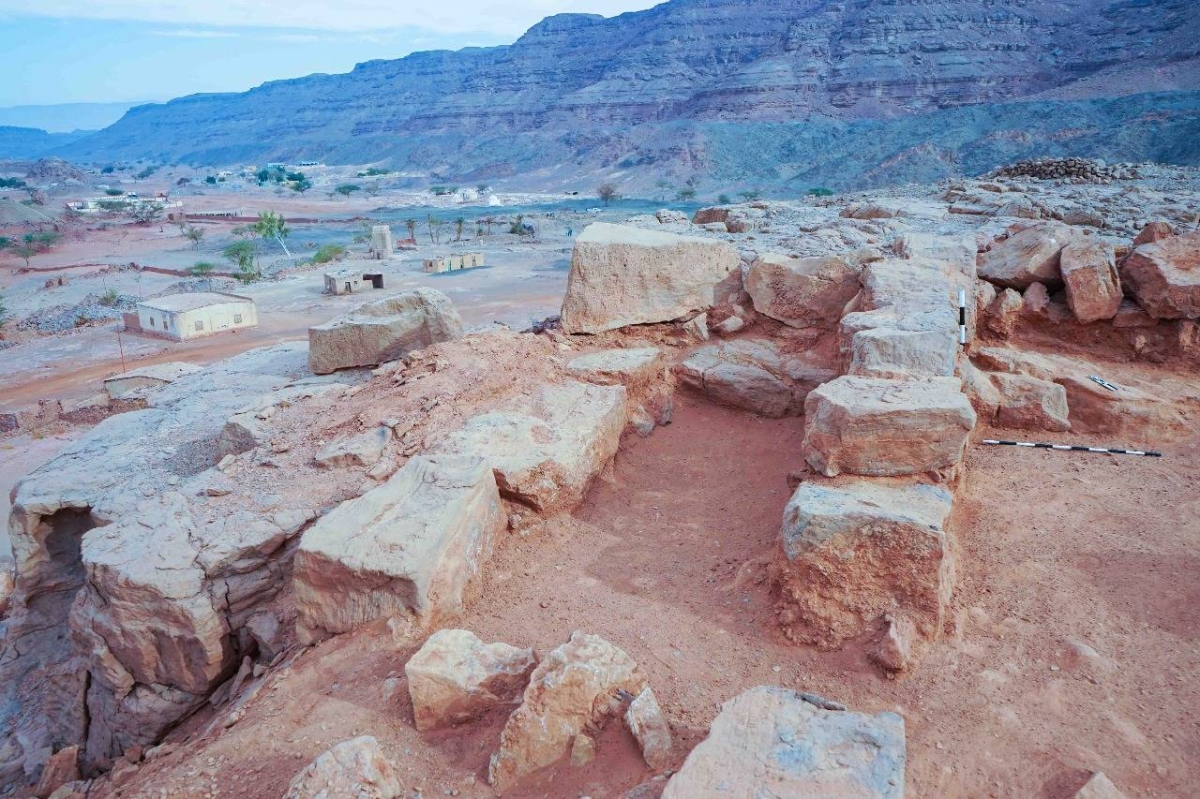
أعلنت وزارة السياحة والآثار المصرية عن كشف أثري مهم في موقع وادي النصب بجنوب سيناء، حيث كشفت البعثة الأثرية المصرية عن ورشة لصهر النحاس ومبانٍ إدارية ونقاط مراقبة، تؤكد الدور الريادي لمصر القديمة في استغلال ثرواتها المعدنية، وتعزز مكانة المنطقة كوجهة سياحية ثقافية تكشف عن أسرار الحضارة المصرية.
الاكتشاف يبرز الأهمية الإستراتيجية لسيناء
وأوضح وزير السياحة والآثار شريف فتحي أن هذا الاكتشاف يبرز الأهمية الإستراتيجية لسيناء كمركز رئيسي لاستخراج النحاس والفيروز في العصور القديمة، مشيراً إلى التزام الوزارة بدعم البعثات الأثرية لتعزيز الروابط بين إنجازات المصريين القدماء ومفاهيم التنمية المستدامة الحديثة.
وأضاف الأمين العام للمجلس الأعلى للآثار محمد إسماعيل خالد أن النتائج تظهر استمرار النشاط التعديني في وادي النصب منذ الدولة القديمة وحتى العصور المتأخرة، مع ازدهار ملحوظ خلال الدولة الحديثة، مما يعكس نظاماً صناعياً متقدماً لصهر النحاس وإنتاج السبائك.
مبنيان من الحجر الرملي استخدما للمراقبة
وتضمنت المكتشفات مبنيين من الحجر الرملي استخدما للمراقبة في البداية، ثم تحولا إلى ورش لصهر النحاس خلال الدولة الحديثة، حيث عُثر على أفران وكتل من خبث النحاس وسبائك يصل وزن بعضها إلى كيلوغرام واحد، إضافة إلى رؤوس منافيخ طينية.
كما تم الكشف عن مبنى ثالث على الحافة الجنوبية لوادي صور، يُرجح أنه كان نقطة تحكم لعمليات التعدين، وورشة مركزية ضخمة تضم أفراناً وأدوات لتجهيز الخام وبوتقات فخارية وأواني مصرية.
وأشار رئيس البعثة الدكتور هشام حسين إلى أن هذه الاكتشافات تؤكد الدور المحوري لسيناء كمركز تعديني في مصر القديمة، مع استخدام موارد محلية مثل الفحم والطين النقي في الصناعات.
وأكدت وزارة السياحة والآثار المصرية أن البعثة الأثرية تواصل أعمالها لكشف المزيد من التفاصيل التي تبرز أهمية سيناء عبر التاريخ، حيث يُعد هذا الكشف إضافة نوعية لفهم التاريخ الصناعي والاقتصادي لمصر القديمة، ويفتح آفاقاً جديدة للسياحة الثقافية في سيناء، مما يعزز مكانة مصر كمركز حضاري عالمي.
The Egyptian Ministry of Tourism and Antiquities announced an important archaeological discovery at the site of Wadi al-Nasb in South Sinai, where the Egyptian archaeological mission uncovered a workshop for copper smelting, administrative buildings, and observation points, confirming the leading role of ancient Egypt in exploiting its mineral wealth and enhancing the region's status as a cultural tourist destination that reveals the secrets of Egyptian civilization.
The Discovery Highlights the Strategic Importance of Sinai
Tourism and Antiquities Minister Sherif Fathy explained that this discovery highlights the strategic importance of Sinai as a major center for extracting copper and turquoise in ancient times, pointing to the ministry's commitment to supporting archaeological missions to strengthen the links between the achievements of the ancient Egyptians and modern concepts of sustainable development.
Secretary-General of the Supreme Council of Antiquities Mohamed Ismail Khaled added that the results show the continuity of mining activity in Wadi al-Nasb from the Old Kingdom to the Late Period, with a notable flourishing during the New Kingdom, reflecting an advanced industrial system for copper smelting and alloy production.
Two Sandstone Buildings Used for Monitoring
The discoveries included two sandstone buildings that were initially used for monitoring but later transformed into workshops for copper smelting during the New Kingdom, where furnaces and blocks of copper slag were found, with some alloys weighing up to one kilogram, in addition to clay blowpipe heads.
A third building was also uncovered on the southern edge of Wadi Sur, which is believed to have been a control point for mining operations, and a massive central workshop containing furnaces, tools for processing ore, ceramic crucibles, and Egyptian vessels.
Mission head Dr. Hisham Hussein pointed out that these discoveries confirm Sinai's pivotal role as a mining center in ancient Egypt, utilizing local resources such as coal and pure clay in industries.
The Egyptian Ministry of Tourism and Antiquities confirmed that the archaeological mission continues its work to uncover more details that highlight the importance of Sinai throughout history, as this discovery is a qualitative addition to understanding the industrial and economic history of ancient Egypt, opening new horizons for cultural tourism in Sinai, thereby enhancing Egypt's status as a global cultural center.