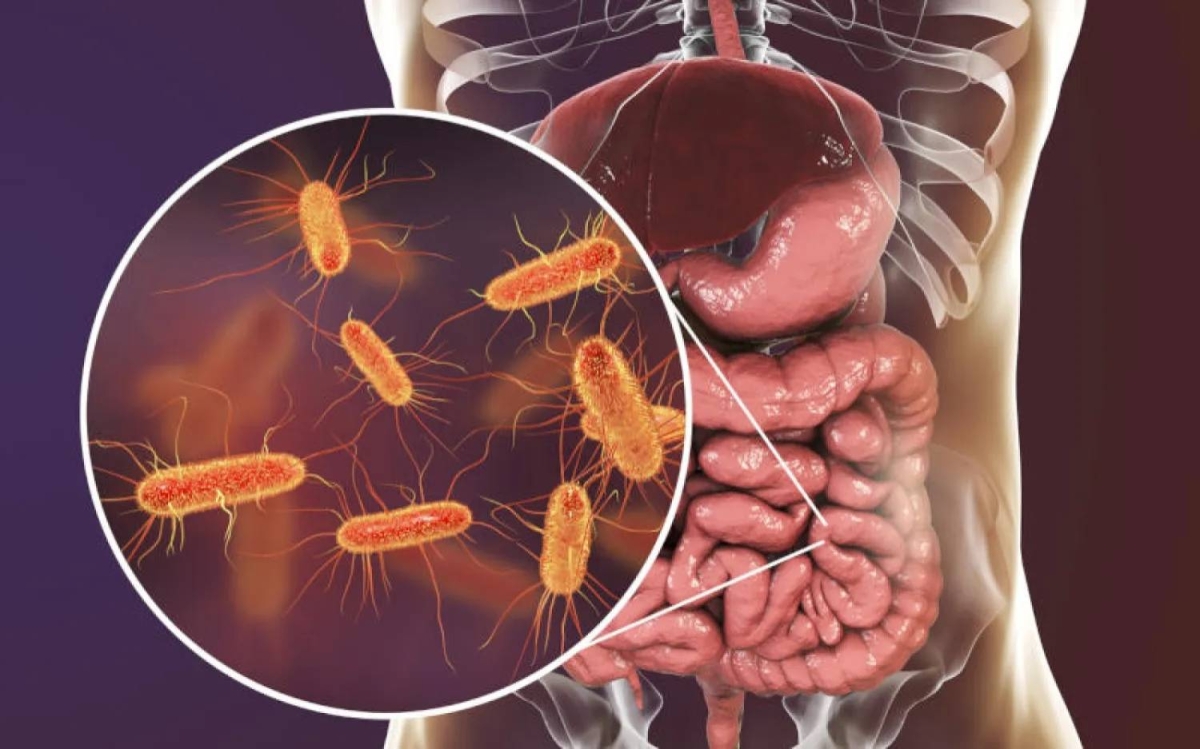
كشفت أبحاث حديثة أن تأخر نمو الأطفال قد يكون مرتبطاً بخلل في أمعائهم، إذ يأكل بعض الأطفال حتى الشبع ويبدون في الظاهر بتمام الصحة، لكن نموهم يتعثر.
ويؤثر الجوع على ما بين 638 و720 مليون شخص حول العالم، ووفقاً لتقرير صادر عن منظمة الأغذية والزراعة للأمم المتحدة (الفاو)، نُشر في 28 يوليو 2025 يدفع الأطفال الثمن الأكبر، إذ يظل سوء التغذية سبباً رئيسياً للوفاة بين الأطفال دون سن الخامسة، وقد يعاني الناجون من تقزم النمو، أو صعوبات تعليمية، أو مشكلات صحية طويلة الأمد، وفق تقرير لموقع «فوتورا سيونس» الفرنسي المتخصص.
وقال التقرير إنه في مواجهة هذه الآفة العالمية، يستكشف العلماء سبلاً جديدة، وأحدها يحتفي في أمعائنا. يبدو أن الميكروبيوم المعوي - مجموعة البكتيريا والكائنات الدقيقة التي تعيش في جهازنا الهضمي - يلعب دوراً رئيسياً في تأخر النمو لدى الأطفال.
ويعرف الباحثون منذ سنوات عدة أن ميكروبات الأمعاء لها تأثير على التغذية. وفي عام 2013، أجرى فريق دولي بقيادة مارك ماناري، الأستاذ في جامعة واشنطن، تجربةً بارزةً. أخذ الباحثون عينات من ميكروبات الأطفال الملاويين، بعضهم يعاني من سوء تغذية حاد والبعض الآخر لا يعاني.
وزرع الباحثون هذه البكتيريا المعوية في فئران مختبرية وأطعموا الحيوانات نظاماً غذائيّاً مشابهاً لنظام الأطفال، والنتيجة: فقدت الفئران التي تغذت على ميكروبات الأطفال الذين يعانون من سوء التغذية وزناً أيضاً وأظهرت اضطرابات في النمو. ونُشر هذا العمل في مجلة «ساينس».
وفي الدراسة الجديدة، المنشورة في مجلة Cell في سبتمبر 2025، تابع باحثون من معهد سالك في لا جولا، بالتعاون مع علماء من جامعة واشنطن وجامعة كاليفورنيا في سان دييغو، ثمانية أطفال من ملاوي، وهي دولة يُعاني ثلث أطفالها تقريباً من التقزم، وحلل الباحثون برازهم لمدة عام تقريباً لمراقبة تطور البكتيريا المعوية لديهم ونموها.
وباستخدام تقنية تسلسل الحمض النووي المتطورة للغاية، تمكن الفريق من إعادة بناء 986 جينوماً ميكروبياً كاملاً، بما في ذلك بعض الجينومات التي اكتُشفت لأول مرة.
ويوضح جيريمياه مينيتش، المؤلف الرئيسي للدراسة: «لقد وجدنا عملية القراءة المطولة الأكثر كفاءة ودقة وفعالية من حيث التكلفة، وطبقناها لتحليل عينات بشرية تفوق ما تم تحليله سابقاً بـ10 إلى 20 ضعفاً، مما يوفر لنا مورداً جينومياً بالغ الأهمية لسوء التغذية».
Recent research has revealed that children's growth delays may be linked to dysfunction in their intestines. Some children eat until they are full and appear to be in perfect health, yet their growth is hindered.
Hunger affects between 638 and 720 million people worldwide, and according to a report published by the Food and Agriculture Organization of the United Nations (FAO) on July 28, 2025, children pay the highest price, as malnutrition remains a leading cause of death among children under five. Survivors may suffer from stunted growth, learning difficulties, or long-term health issues, according to a report from the French specialized site "Futura Sciences."
The report states that in the face of this global scourge, scientists are exploring new avenues, one of which celebrates our intestines. The gut microbiome—a collection of bacteria and microorganisms living in our digestive system—appears to play a key role in children's growth delays.
Researchers have known for several years that gut microbes have an impact on nutrition. In 2013, an international team led by Mark Manary, a professor at the University of Washington, conducted a landmark experiment. The researchers took samples of microbes from Malawian children, some suffering from severe malnutrition and others not.
The researchers implanted these gut bacteria into laboratory mice and fed the animals a diet similar to that of the children, with the result: the mice that were fed the microbes from malnourished children also lost weight and showed growth disturbances. This work was published in the journal "Science."
In the new study published in Cell in September 2025, researchers from the Salk Institute in La Jolla, in collaboration with scientists from the University of Washington and the University of California, San Diego, followed eight children from Malawi, a country where nearly a third of its children suffer from stunting. The researchers analyzed their stool for nearly a year to monitor the development and growth of their gut bacteria.
Using highly advanced DNA sequencing technology, the team was able to reconstruct 986 complete microbial genomes, including some genomes that were discovered for the first time.
Jeremiah Minich, the lead author of the study, explains: "We found the most efficient, accurate, and cost-effective long-read process and applied it to analyze human samples at a scale 10 to 20 times greater than previously analyzed, providing us with a critically important genomic resource for malnutrition."