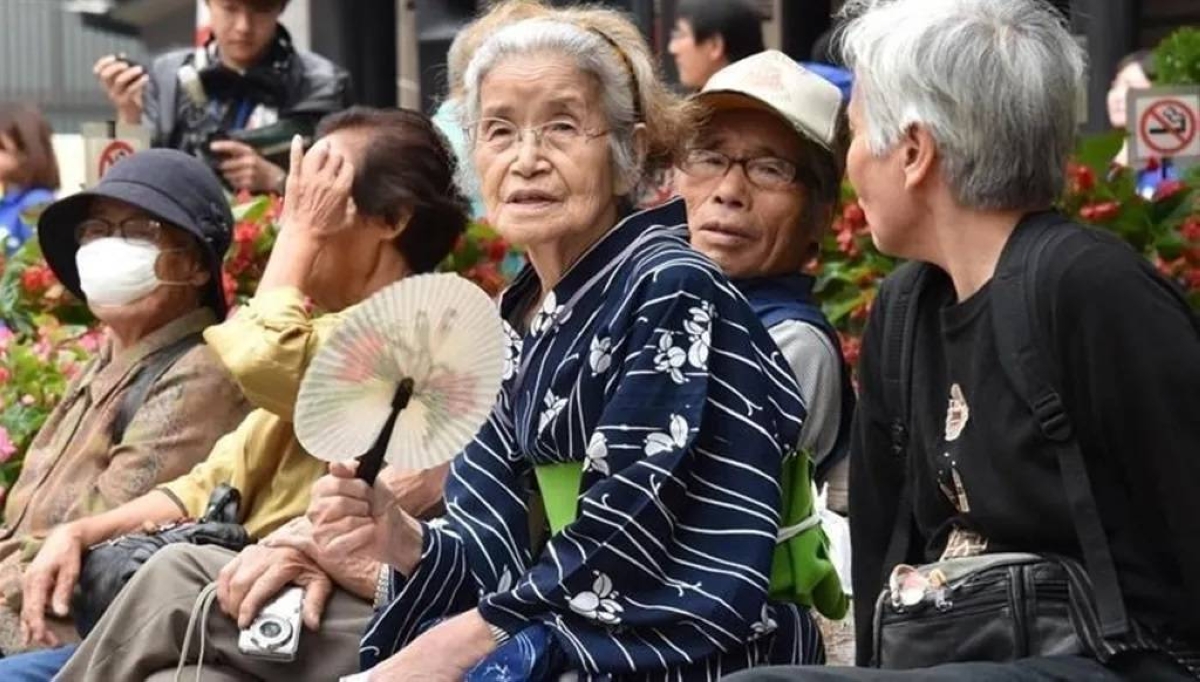
أعلنت وزارة الصحة اليابانية أن عدد المعمرين في البلاد بلغ 99,763 شخصًا حتى الأول من سبتمبر الجاري، في رقم قياسي جديد للعام الـ55 على التوالي، مع زيادة بلغت 4,644 شخصًا مقارنة بالعام الماضي. وتشير البيانات إلى أن النساء يمثلن نحو 88% من هذا العدد، بواقع 87,784 معمرة.
نمط الحياة
وكشفت الحكومة اليابانية وخبراء الصحة أن هذا الارتفاع المستمر في أعداد المعمرين يعود إلى نمط الحياة الصحي الذي يشمل التغذية السليمة، والاعتماد على الأنظمة الغذائية الغنية بالخضروات والأسماك، وممارسة الرياضة بانتظام، وجودة الرعاية الصحية، وانخفاض مستويات التوتر، بالإضافة إلى تأثير العوامل البيئية مثل جودة الهواء والطبيعة الجغرافية للمناطق المرتفعة والمنخفضة، وبحسب وزارة الصحة، استندت الإحصاءات إلى بيانات تسجيل السكان الأساسية، وفق ما نقلته وكالة «جي.جي برس» اليابانية.
تفاوت إقليمي في معدلات المعمرين
وسجلت محافظة شيمان أعلى معدل للمعمرين في البلاد بواقع 69.168 معمّرًا لكل 100 ألف نسمة، لتحافظ على صدارتها للعام الثالث عشر على التوالي. وجاءت بعدها محافظتا كوتشي وتوتوري بمعدلات بلغت 66.157 و63.144 لكل 100 ألف نسمة على التوالي. في المقابل، سجلت سايتاما أقل معدل (50.48) تلتها أيتشي (53) وأوساكا (44.55).
نمو تاريخي
يذكر أن اليابان بدأت إحصاء عدد المعمرين في عام 1963، وكان عددهم آنذاك 153 شخصًا فقط. وتجاوز العدد ألف معمّر في 1981، ثم 10 آلاف في 1998، و50 ألفًا في 2012، ليصل إلى 90 ألفًا في 2022، قبل أن يقترب من حاجز الـ100 ألف هذا العام.
أكبر المعمّرين
وتُعد شيجيكو كاجوا، البالغة من العمر 114 عامًا والمقيمة في مدينة ياماتوكورياما بمحافظة نارا، أكبر معمّرة على قيد الحياة في اليابان. أما أكبر معمّر ذكر فهو كيوتاكا ميزونو (111 عامًا) ويعيش في مدينة إيواتا بمحافظة شيزوك.
The Japanese Ministry of Health announced that the number of centenarians in the country reached 99,763 as of September 1st, marking a new record for the 55th consecutive year, with an increase of 4,644 people compared to last year. The data indicates that women represent about 88% of this number, with 87,784 female centenarians.
Lifestyle
The Japanese government and health experts revealed that this continuous rise in the number of centenarians is attributed to a healthy lifestyle that includes proper nutrition, reliance on diets rich in vegetables and fish, regular exercise, quality healthcare, and lower stress levels, in addition to the impact of environmental factors such as air quality and the geographical nature of high and low areas. According to the Ministry of Health, the statistics were based on fundamental population registration data, as reported by the Japanese agency "Jiji Press."
Regional Disparities in Centenarian Rates
Shimane Prefecture recorded the highest rate of centenarians in the country, with 69.168 centenarians per 100,000 people, maintaining its lead for the thirteenth consecutive year. It was followed by Kochi and Tottori Prefectures with rates of 66.157 and 63.144 per 100,000 people, respectively. In contrast, Saitama recorded the lowest rate (50.48), followed by Aichi (53) and Osaka (44.55).
Historic Growth
It is worth mentioning that Japan began counting the number of centenarians in 1963, when there were only 153 individuals. The number surpassed 1,000 in 1981, then 10,000 in 1998, and 50,000 in 2012, reaching 90,000 in 2022, before nearing the 100,000 mark this year.
Oldest Centenarians
Shigeiko Kagawa, who is 114 years old and resides in Yamato-Koriyama City in Nara Prefecture, is the oldest living centenarian in Japan. The oldest male centenarian is Kyotaka Mizuno (111 years old), who lives in Iwata City in Shizuoka Prefecture.