


أعلنت الوكالة الفدرالية الروسية للطب والبيولوجيا (FMBA)، أنها طوّرت لقاحاً جديداً للسرطان تحت اسم «إنتيروميكس»، بات جاهزاً للاستخدام السريري بعد اجتياز مراحل تجريبية، وهو خبر وُصف بالمذهل في المنتدى الاقتصادي الشرقي العاشر بفلاديفوستوك.
يعتمد على تقنية الحمض النووي
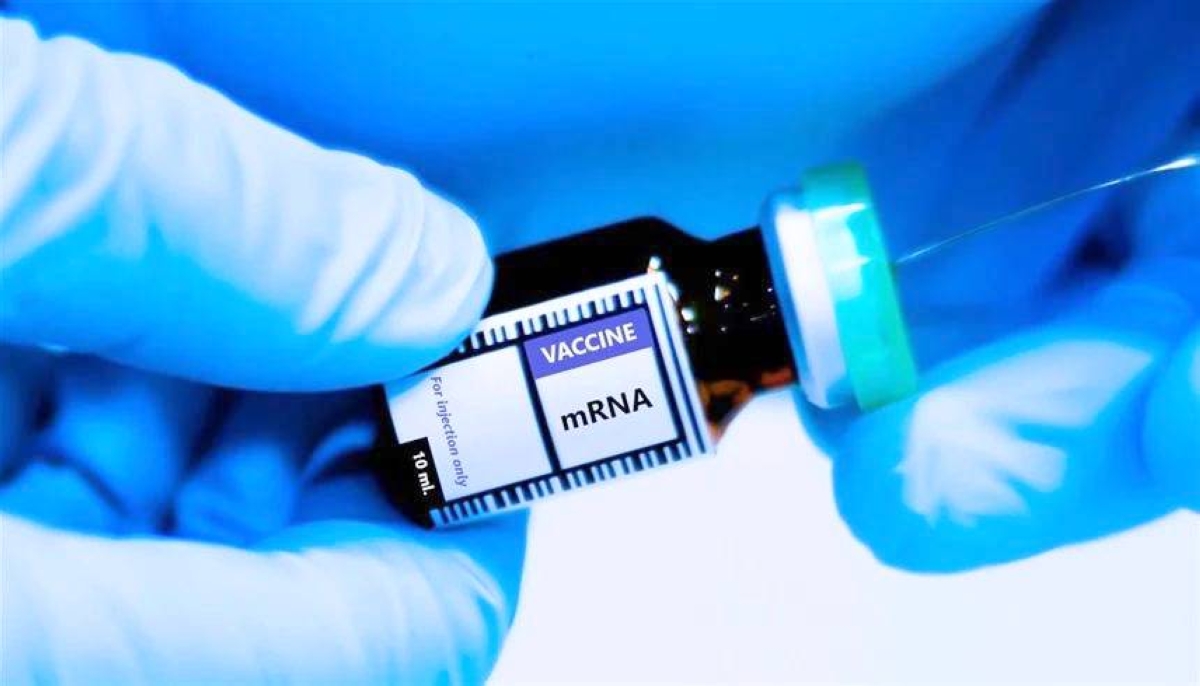
وقالت رئيسة الوكالة فيرونيكا سكفورتسوفا: إن اللقاح يعتمد على تقنية الحمض النووي الريبي المرسال (mRNA) وهي التقنية نفسها التي استُخدمت في بعض لقاحات كورونا.
وأكدت أن التجارب أظهرت انكماش الأورام أو تباطؤ نموها بنسبة تراوحت بين 60% و80% بحسب نوع السرطان، مع تحسّن في معدلات البقاء على قيد الحياة.
وذكرت أن التركيز الأول سيكون على سرطان القولون والمستقيم، مع تطوير نسخ تستهدف أورام الدماغ والجلد.
الإعلان أثار تشكيكاً واسعاً في جدواه العلمي
لكن وفق تقارير أوروبية وأمريكية، فإن الإعلان أثار تشكيكاً واسعاً في جدواه العلمي، ورأى مراقبون أنه قد يكون جزءاً من منافسة سياسية أكثر من كونه تقدماً طبياً حاسماً.
ويظل المجتمع العلمي الدولي بانتظار نتائج أوسع لتأكيد مصداقية ما أعلنته موسكو.
هل تقود روسيا العالم للخلاص من السرطان.. أم «منافسة سياسية»؟
9 سبتمبر 2025 - 02:08
|
آخر تحديث 9 سبتمبر 2025 - 03:11


تابع قناة عكاظ على الواتساب
«عكاظ» (جدة) OKAZ_online@
The Russian Federal Medical-Biological Agency (FMBA) announced that it has developed a new cancer vaccine named "Interomix," which is ready for clinical use after passing experimental stages. This news was described as astonishing at the tenth Eastern Economic Forum in Vladivostok.
Based on DNA technology
Agency head Veronika Skvortsova stated that the vaccine is based on messenger RNA (mRNA) technology, the same technology used in some COVID-19 vaccines.
She confirmed that trials showed tumor shrinkage or slowed growth by between 60% and 80% depending on the type of cancer, along with improved survival rates.
She mentioned that the initial focus will be on colorectal cancer, with plans to develop versions targeting brain and skin tumors.
The announcement raised widespread skepticism about its scientific validity
However, according to European and American reports, the announcement raised widespread skepticism about its scientific validity, with observers suggesting it might be more a part of political competition than a significant medical advancement.
The international scientific community continues to await broader results to confirm the credibility of what Moscow has announced.
Based on DNA technology
Agency head Veronika Skvortsova stated that the vaccine is based on messenger RNA (mRNA) technology, the same technology used in some COVID-19 vaccines.
She confirmed that trials showed tumor shrinkage or slowed growth by between 60% and 80% depending on the type of cancer, along with improved survival rates.
She mentioned that the initial focus will be on colorectal cancer, with plans to develop versions targeting brain and skin tumors.
The announcement raised widespread skepticism about its scientific validity
However, according to European and American reports, the announcement raised widespread skepticism about its scientific validity, with observers suggesting it might be more a part of political competition than a significant medical advancement.
The international scientific community continues to await broader results to confirm the credibility of what Moscow has announced.


