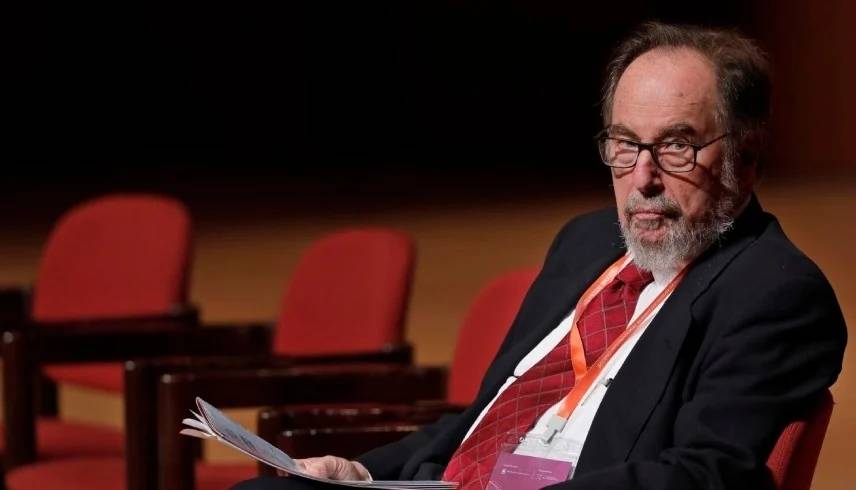
توفي عالم الأحياء الأمريكي الشهير ديفيد بالتيمور، الحائز على جائزة نوبل للطب، عن عمر ناهز 87 عاماً، بعد مسيرة علمية حافلة بالإنجازات، تخللتها سنوات من الجدل والاتهامات بالاحتيال قبل أن تتم تبرئته لاحقاً.
إنجاز علمي مبكر وجائزة نوبل
يُعد بالتيمور واحداً من أبرز العلماء في مجال البيولوجيا الجزيئية. فقد نال جائزة نوبل للطب عام 1975 وهو في السابعة والثلاثين من عمره، تقديراً لاكتشافه إنزيماً فايروسياً مرتبطاً بالفايروسات القهقرية، ما ساهم في توسيع فهم آلية عمل فايروس نقص المناعة البشرية (HIV) المسبب لمرض الإيدز.
وقد شغل منصب أستاذ في معهد ماساتشوستس للتكنولوجيا (MIT)، وأسهمت أبحاثه في بناء قاعدة علمية عالمية لفهم الفايروسات وتطبيقاتها الطبية.
سنوات الجدل والاتهامات
في عام 1986، دخل بالتيمور في واحدة من أكبر قضايا الجدل العلمي، حين ارتبط اسمه باتهامات بالاحتيال في أبحاث علمية تعود لزميلة يابانية في مجال علم المناعة.
ورغم أنه لم يكن متهماً مباشرة، إلا أن دفاعه عن زميلته جعله عرضة للانتقادات والتحقيقات، حتى وصل الأمر إلى جلسات استماع أمام الكونغرس الأمريكي بين عامي 1988 و1989.
وبفعل الضغوط المتزايدة، اضطر في عام 1991 إلى تقديم استقالته من رئاسة جامعة روكفلر في نيويورك بعد 18 شهراً فقط من توليه المنصب.
التبرئة واستعادة الاعتبار
ظل الجدل محيطاً باسم بالتيمور وزميلته نحو عشر سنوات، إلى أن أعلنت لجان التحقيق عام 1996 تبرئتهما من أي تزوير علمي.
وقد وصف العالم الأمريكي تلك المرحلة بأنها «الأكثر صعوبة في حياته»، مؤكداً أنها تركت أثراً لا يُمحى في مسيرته.
إرث علمي عالمي
وعلى الرغم من العواصف التي واجهها، يبقى بالتيمور واحداً من أبرز علماء القرن العشرين في مجال البيولوجيا الجزيئية، إذ ساهمت أبحاثه في تغيير فهم البشرية للفايروسات وفتحت آفاقاً جديدة أمام تطوير علاجات طبية على مستوى العالم.
The famous American biologist David Baltimore, a Nobel Prize winner in Medicine, passed away at the age of 87 after a scientific career filled with achievements, interspersed with years of controversy and allegations of fraud before he was later exonerated.
Early Scientific Achievement and Nobel Prize
Baltimore is considered one of the leading scientists in the field of molecular biology. He won the Nobel Prize in Medicine in 1975 at the age of thirty-seven, in recognition of his discovery of a viral enzyme associated with retroviruses, which contributed to expanding the understanding of the mechanism of the human immunodeficiency virus (HIV) that causes AIDS.
He held a professorship at the Massachusetts Institute of Technology (MIT), and his research contributed to building a global scientific foundation for understanding viruses and their medical applications.
Years of Controversy and Allegations
In 1986, Baltimore became embroiled in one of the largest scientific controversies when his name was linked to allegations of fraud in scientific research involving a Japanese colleague in the field of immunology.
Although he was not directly accused, his defense of his colleague made him subject to criticism and investigations, leading to congressional hearings in the United States between 1988 and 1989.
Due to increasing pressure, he was forced to resign as president of Rockefeller University in New York in 1991 after only 18 months in the position.
Exoneration and Restoration of Reputation
The controversy surrounded Baltimore and his colleague for nearly a decade until investigative committees announced in 1996 their exoneration from any scientific fraud.
The American scientist described that period as "the most difficult of his life," affirming that it left an indelible mark on his career.
Global Scientific Legacy
Despite the storms he faced, Baltimore remains one of the most prominent scientists of the twentieth century in the field of molecular biology, as his research contributed to changing humanity's understanding of viruses and opened new horizons for the development of medical treatments worldwide.