بدأ إضراب عمال مترو لندن، اليوم (الإثنين)، مما أدى إلى تعطيل رحلات الملايين من الركاب وتهديد الحياة اليومية في العاصمة البريطانية لبقية الأسبوع، في احتجاج على الأجور وظروف العمل.
تفاصيل الإضراب
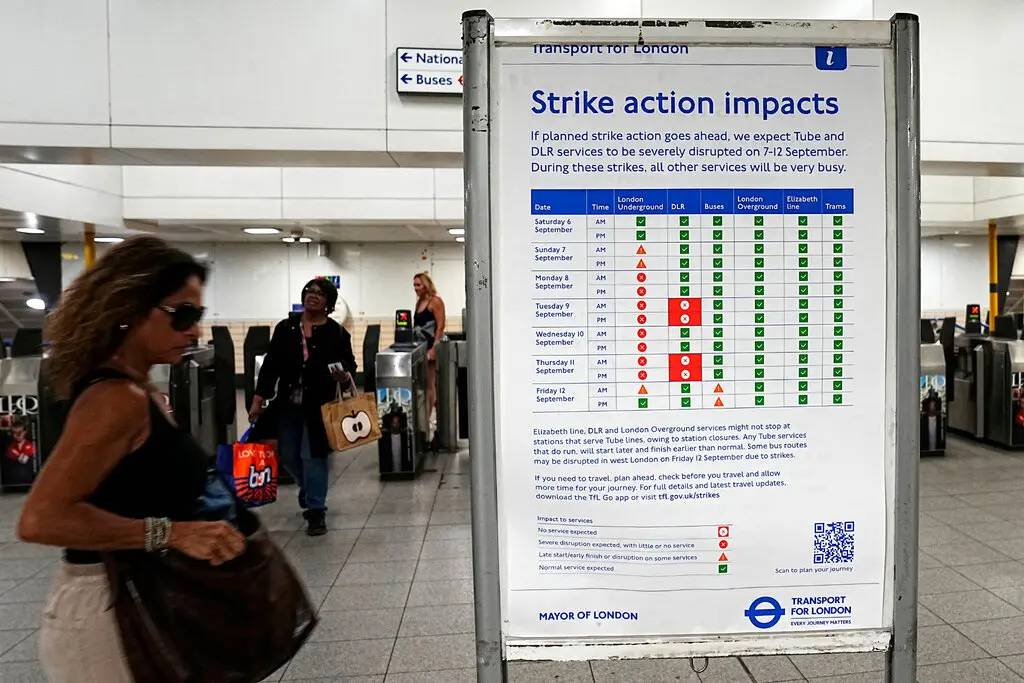
حذرت هيئة النقل في لندن (Transport for London) من أن خدمات المترو ستكون «قليلة أو معدومة» من الإثنين حتى الخميس، بعد أن شهدت أمس (الأحد) أول أيام الإضراب المحدودة. ويستخدم نحو خمسة ملايين راكب المترو يومياً، الذي يضم 272 محطة و11 خطاً في أنحاء لندن وضواحيها.
مطالب النقابة
وأعلنت النقابة الوطنية لعمال السكك الحديدية والبحرية والنقل خطط الإضراب الشهر الماضي، مشيرة إلى الإرهاق الشديد و«نوبات العمل القاسية»، بالإضافة إلى مطالب رفع الأجور. وقالت النقابة: «جاءت الإضرابات بعد رفض الإدارة التعامل بجدية مع مطالبنا المتعلقة بالأجور وإدارة التعب والحد من ساعات العمل الأسبوعية، وعدم الالتزام بالاتفاقات السابقة مع الموظفين».
رد إدارة النقل
أكدت هيئة النقل في لندن أنها «تعمل بجد لحل النزاع» وعرضت زيادة 3.4% في الرواتب لجميع موظفي المترو، لكنها رفضت تخفيض ساعات العمل الأسبوعية، معتبرة ذلك غير عملي أو قابل للتطبيق، وفق تصريحات المديرة التنفيذية لهيئة النقل كلير مان.
تأثير الإضراب على التنقلات
بينما تواصل خطوط أخرى مثل Elizabeth Line وLondon Overground العمل، حذرت هيئة النقل من أن الخدمات قد تعمل بشكل مختلف، وشجعت السكان على المشي أو ركوب الدراجات، نظراً لازدحام الطرق ووسائل النقل الأخرى مثل الحافلات. كما أُعلن أن Docklands Light Railway ستغلق أبوابها الثلاثاء والخميس.
ومن المتوقع أن يعود المترو للعمل الكامل يوم الجمعة قبل الساعة 8 صباحاً، مع عودة الخدمات الطبيعية في جميع الخطوط بحلول وقت متأخر من صباح اليوم نفسه.
ملايين المسافرين عالقون في الشوارع
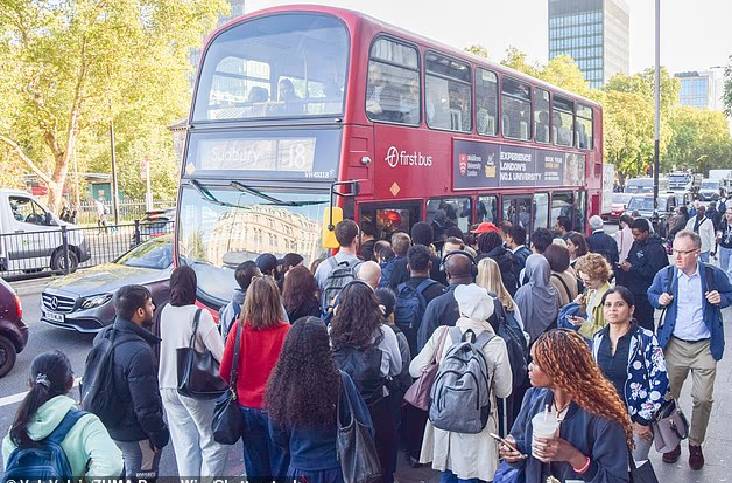
وشهدت لندن اليوم فوضى كبيرة، بعد بدء إضراب أعضاء اتحاد RMT لسائقي مترو الأنفاق، حيث اكتظت الحافلات بخطوط انتظار طويلة، واضطر السائقون والمشاة والدراجون لمواجهة اختناقات مرورية شديدة، خصوصاً في وسط العاصمة وعلى الطرق المحيطة بمحطة كينغز كروس سانت بانكراس، حيث أقام الاتحاد خطوط الاعتصام الرسمية.
خطوط مترو محدودة تعمل تحت ضغط هائل
الخطوط الوحيدة التي استمرت في العمل هي Elizabeth Line وOverground، لكنها لم تستطع استيعاب أعداد الركاب الهائلة، ما أدى إلى ازدحام كبير عند مداخل ومخارج المحطات.
وأدى تعطّل موقع TfL بسبب ضغط البحث عن بدائل للسفر إلى زيادة معاناة الركاب، إذ لم يتمكن كثيرون من التخطيط لرحلاتهم في الوقت المناسب.
ردود الفعل السياسية والاجتماعية
اتهم بعض النواب المحافظين رئيس بلدية لندن صادق خان بالتغيب عن معالجة الأزمة، ووصفوا صمته بأنه تخلي عن المسؤولية في مواجهة أسوأ أزمة نقل منذ سنوات.
وفي المقابل، دافع الأمين العام للاتحاد العام لنقابات العمال عن الإضراب باول نواك، مؤكداً أن الحق في الإضراب ديمقراطي وأنه يسلط الضوء على ضغوط العمل الطويلة وظروف الصحة والسلامة الصعبة لسائقي المترو.
تأثير الإضراب على الأعمال
حذرت نائبة المدير التنفيذي لـ BusinessLDN منيا بروا من أن الإضراب سيؤثر بشدة على الشركات الصغيرة والقطاعات المعتمدة على الحركة اليومية للزبائن، خصوصاً في مجال الضيافة والتجزئة والثقافة، ودعت إلى اتفاق عاجل بين الاتحاد وTfL لتخفيف الأزمة.
الخلاصة
إضراب مترو لندن يُظهر مدى هشاشة شبكة النقل العام أمام النزاعات العمالية، ويترك ملايين المسافرين عالقين في فوضى مرورية غير مسبوقة. في حين يطالب الاتحاد بتحسين ظروف العمل، ويبقى السؤال حول قدرة السلطات على إيجاد حل سريع قبل أن تتفاقم الأزمة أكثر.
The London Underground workers' strike began today (Monday), disrupting the journeys of millions of passengers and threatening daily life in the British capital for the rest of the week, in protest against wages and working conditions.
Strike Details
Transport for London warned that Underground services would be "limited or non-existent" from Monday to Thursday, after experiencing the first day of the limited strike yesterday (Sunday). Approximately five million passengers use the Underground daily, which comprises 272 stations and 11 lines across London and its suburbs.
Union Demands
The National Union of Rail, Maritime and Transport Workers announced the strike plans last month, citing severe fatigue and "harsh work shifts," along with demands for wage increases. The union stated: "The strikes came after management refused to take our demands regarding wages, fatigue management, and reducing weekly working hours seriously, and failed to adhere to previous agreements with staff."
Transport Management Response
Transport for London confirmed that it is "working hard to resolve the dispute" and offered a 3.4% pay increase for all Underground staff, but rejected a reduction in weekly working hours, deeming it impractical or unfeasible, according to statements from the agency's CEO, Claire Mann.
Impact of the Strike on Commuting
While other lines such as the Elizabeth Line and London Overground continue to operate, Transport for London warned that services may run differently and encouraged residents to walk or cycle, given the congestion on roads and other transport options like buses. It was also announced that the Docklands Light Railway would close its doors on Tuesday and Thursday.
Full service on the Underground is expected to resume by Friday before 8 a.m., with normal services across all lines returning by late morning on the same day.
Millions of Travelers Stuck in the Streets
London witnessed significant chaos today, following the start of the RMT union strike by subway drivers, as buses were packed with long lines of waiting passengers, and drivers, pedestrians, and cyclists faced severe traffic congestion, especially in the city center and on roads surrounding King's Cross St Pancras station, where the union set up official picket lines.
Limited Metro Lines Operating Under Huge Pressure
The only lines that continued to operate were the Elizabeth Line and Overground, but they could not accommodate the massive number of passengers, leading to significant overcrowding at station entrances and exits.
The TfL website's downtime due to the pressure of searching for travel alternatives increased passengers' suffering, as many were unable to plan their journeys in time.
Political and Social Reactions
Some Conservative MPs accused London Mayor Sadiq Khan of failing to address the crisis, describing his silence as a dereliction of responsibility in the face of the worst transport crisis in years.
In contrast, the General Secretary of the Trades Union Congress, Paul Nowak, defended the strike, asserting that the right to strike is democratic and highlights the long working hours and difficult health and safety conditions faced by subway drivers.
Impact of the Strike on Businesses
BusinessLDN's Deputy CEO, Manya Browne, warned that the strike would severely affect small businesses and sectors reliant on daily customer movement, particularly in hospitality, retail, and culture, and called for an urgent agreement between the union and TfL to alleviate the crisis.
Conclusion
The London Underground strike illustrates the fragility of the public transport network in the face of labor disputes, leaving millions of travelers stuck in unprecedented traffic chaos. While the union demands improved working conditions, the question remains about the authorities' ability to find a swift solution before the crisis worsens.