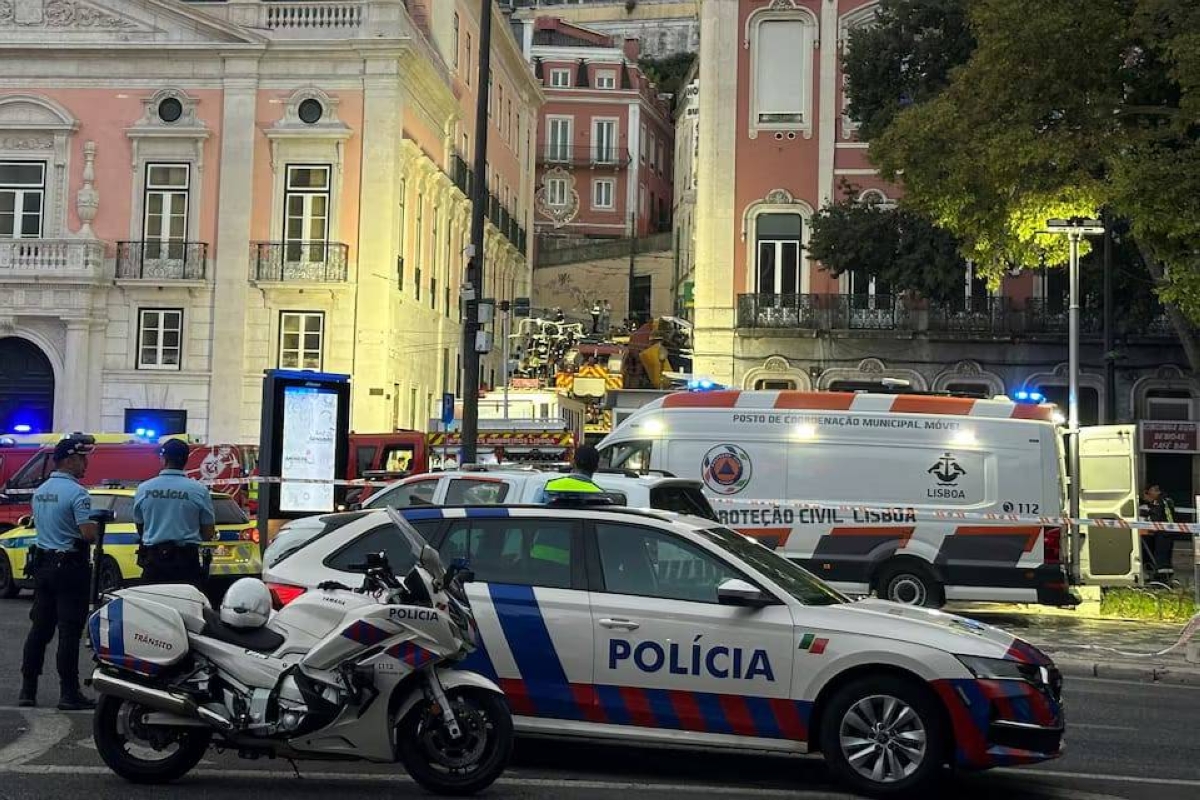
أعلنت السلطات البرتغالية بدء تحقيقات عاجلة اليوم (الخميس) بعد كارثة قطار «غلوريا» الفونيكولار في لشبونة، التي أودت بحياة 17 شخصًا وأصابت 21 آخرين، بعد أن خرج القطار عن مساره واصطدم بمبنى قرب شارع أفينيدا دا ليبردادي.
وبحسب صحيفة «الغارديان»، أدت الحادثة التي وقعت مساء أمس (الأربعاء) إلى إعلان الحداد الوطني ليوم واحد في البرتغال، وثلاثة أيام في العاصمة لشبونة.
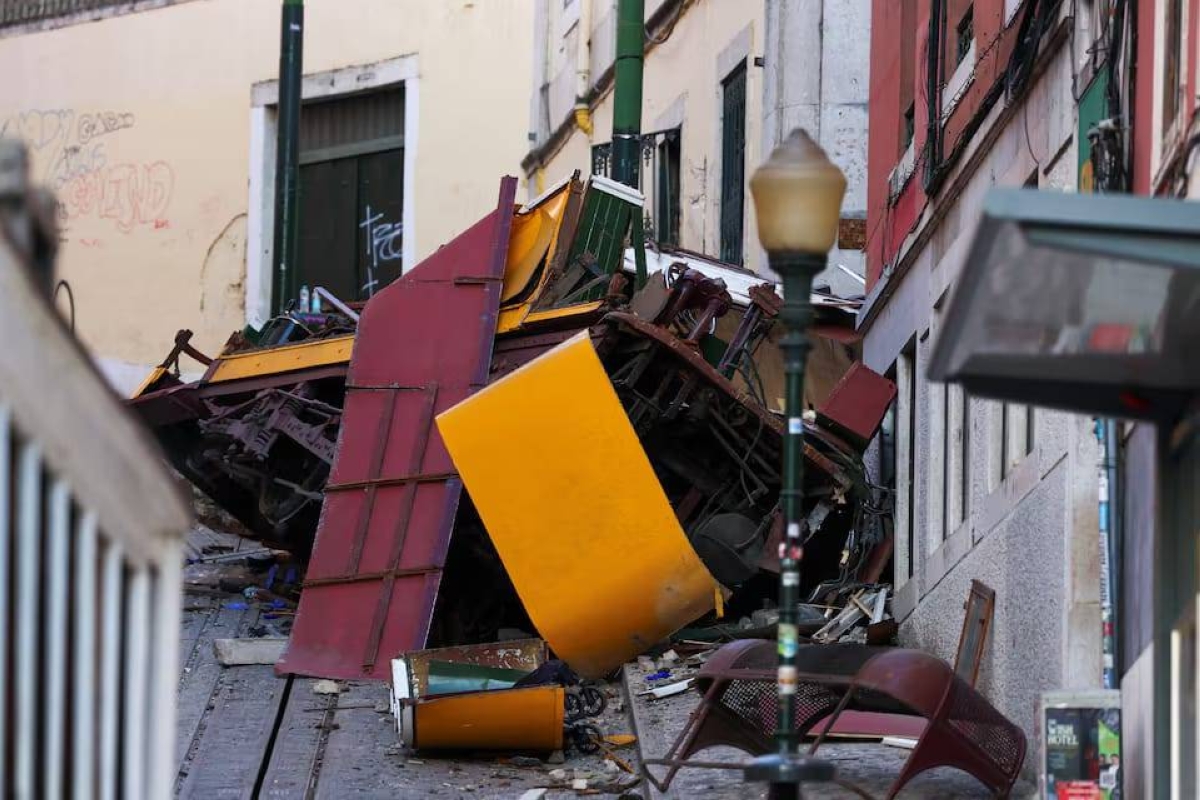
وأظهرت لقطات من موقع الحادثة حطام القطار الأصفر الشبيه بالترام، الذي ينقل الركاب صعودًا وهبوطًا على منحدر حاد في وسط المدينة، ملقى على جانبه بعد اصطدامه بمبنى.
وأفادت تقارير إعلامية محلية بأن أحد الكابلات التي تربط العربتين، اللتين تتسع كل منهما لنحو 40 راكبًا، قد انقطع مما تسبب في فقدان السيطرة على العربة الهابطة وانحرافها عند منعطف. بينما تعرضت العربة في أسفل الخط لاهتزاز عنيف، مما دفع بعض الركاب للقفز من النوافذ، إلا أنها لم تتضرر بشكل مباشر.
وذكرت شركة «كاريس»، المشغلة للخط، أن جميع بروتوكولات الصيانة قد تمتثل لها، بما في ذلك الفحوصات اليومية والأسبوعية والشهرية، لكن رئيس اتحاد النقل «فيكترانس» مانويل ليال أشار إلى شكاوى سابقة من العمال حول مشكلات في توتر كابلات السحب التي تجعل الكبح صعبًا.
ولم تُحدد السلطات هوية الضحايا أو جنسياتهم، لكنها أكدت أن من بينهم أجانب، بما في ذلك عائلة ألمانية مكونة من ثلاثة أفراد، إذ توفي الأب وأصيبت الأم بجروح خطيرة، بينما نجا طفلهما البالغ من العمر ثلاث سنوات بإصابات طفيفة.
وتم إغلاق خطي الفونيكولار الآخرين في المدينة لإجراء فحوصات سلامة، فيما أعربت مواطنة برازيلية تقيم في لشبونة منذ 20 عامًا تدعي إليان شافيز عن حزنها العميق، نافية أن تكون الحادثة ناتجًا عن إهمال واصفة إياه بأنها حادثة مؤسفة.
وينقل خط «غلوريا» نحو 3 ملايين راكب سنويًا، وهو جزء لا يتجزأ من تجربة السياحة في لشبونة، التي شهدت طفرة سياحية خلال العقد الماضي.
The Portuguese authorities announced the start of urgent investigations today (Thursday) following the "Gloria" funicular train disaster in Lisbon, which claimed the lives of 17 people and injured 21 others after the train derailed and collided with a building near Avenida da Liberdade.
According to the "Guardian" newspaper, the incident that occurred last night (Wednesday) led to a national day of mourning in Portugal and three days in the capital, Lisbon.
Footage from the scene of the incident showed the yellow tram-like train wreckage, which transports passengers up and down a steep slope in the city center, lying on its side after colliding with a building.
Local media reports indicated that one of the cables connecting the two cars, each capable of carrying about 40 passengers, had snapped, causing the descending car to lose control and veer off at a curve. Meanwhile, the car at the bottom of the line experienced violent shaking, prompting some passengers to jump out of the windows, although it was not directly damaged.
The operating company "Carris" stated that all maintenance protocols had been complied with, including daily, weekly, and monthly inspections, but the president of the transport union "Fectrans," Manuel Leal, pointed to previous complaints from workers about issues with the tension of the pulling cables that make braking difficult.
The authorities have not identified the victims or their nationalities, but they confirmed that among them were foreigners, including a German family of three, where the father died, the mother sustained serious injuries, while their three-year-old child survived with minor injuries.
The other two funicular lines in the city have been closed for safety inspections, while a Brazilian citizen residing in Lisbon for 20 years, Eliane Chavez, expressed her deep sorrow, denying that the incident was due to negligence, describing it as a tragic accident.
The "Gloria" line transports about 3 million passengers annually and is an integral part of the tourism experience in Lisbon, which has seen a tourism boom over the past decade.