


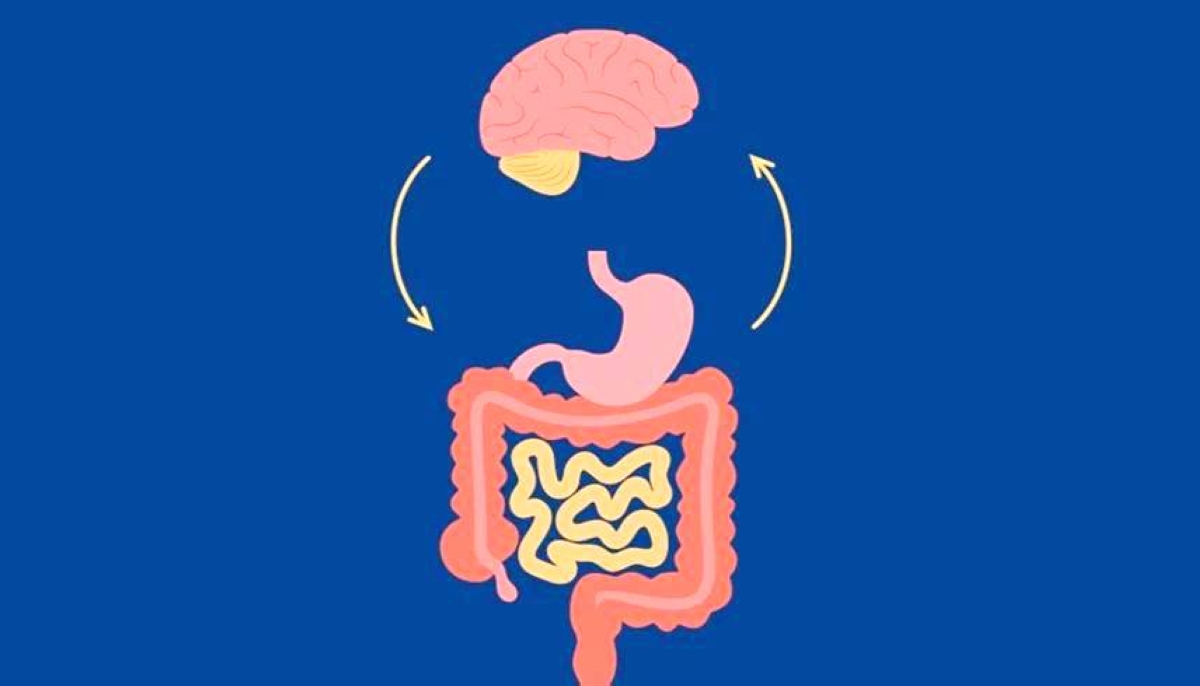
أجرى فريق من جامعة آرهوس والمعهد الألماني للتغذية البشرية، دراسة غير مسبوقة حول العلاقة بين الدماغ والمعدة، وخلص إلى أن التزامن بين النشاط الكهربائي في المعدة وبعض المناطق الدماغية، يرتبط بمستويات أعلى من القلق والاكتئاب. اعتمد الباحثون على مزيج من تقنيات تصوير الدماغ بالرنين المغناطيسي وتتبع النشاط الكهربائي للمعدة، ما أتاح ربطاً مباشراً بين الإشارات الداخلية للجسم والحالة الشعورية. وبحسب ما ذكره موقع (مديكال إكسبريس)، فإن الأشخاص الذين أظهروا تزامناً أكبر بين المعدة والدماغ سجّلوا درجات أقل من الرفاهية النفسية، مما يشير إلى أن الأعضاء الداخلية تشارك بدور مؤثر في تكوين المشاعر.
وأكد العلماء أن هذه النتائج لا تعني أن المعدة تُسبب الاضطرابات بشكل مباشر، لكنها توفر مؤشراً يمكن استخدامه للتنبؤ أو التدخل المبكر في علاج الأمراض النفسية. واعتبر خبراء الصحة العقلية أن هذا الاكتشاف قد يُحدث تحولاً في فهم العلاقة بين الجسد والعاطفة، ويفتح الطريق أمام تطوير أدوات تشخيصية وعلاجية جديدة تراعي ما يُعرف بمحور الأمعاء- الدماغ.
علاقة بين المعدة وتكوين المشاعر
4 سبتمبر 2025 - 00:46
|
آخر تحديث 4 سبتمبر 2025 - 00:46


تابع قناة عكاظ على الواتساب
«عكاظ» (جدة) OKAZ_online@
A team from Aarhus University and the German Institute of Human Nutrition conducted an unprecedented study on the relationship between the brain and the stomach, concluding that the synchronization between electrical activity in the stomach and certain brain regions is associated with higher levels of anxiety and depression. The researchers relied on a combination of magnetic resonance imaging techniques and tracking the electrical activity of the stomach, which allowed for a direct connection between the body's internal signals and emotional states. According to what was reported by (Medical Express), individuals who showed greater synchronization between the stomach and the brain recorded lower levels of psychological well-being, indicating that internal organs play a significant role in shaping emotions.
Scientists confirmed that these results do not mean that the stomach directly causes disorders, but they provide an indicator that can be used to predict or intervene early in the treatment of mental illnesses. Mental health experts believe that this discovery could lead to a shift in understanding the relationship between the body and emotion, paving the way for the development of new diagnostic and therapeutic tools that take into account what is known as the gut-brain axis.
Scientists confirmed that these results do not mean that the stomach directly causes disorders, but they provide an indicator that can be used to predict or intervene early in the treatment of mental illnesses. Mental health experts believe that this discovery could lead to a shift in understanding the relationship between the body and emotion, paving the way for the development of new diagnostic and therapeutic tools that take into account what is known as the gut-brain axis.




