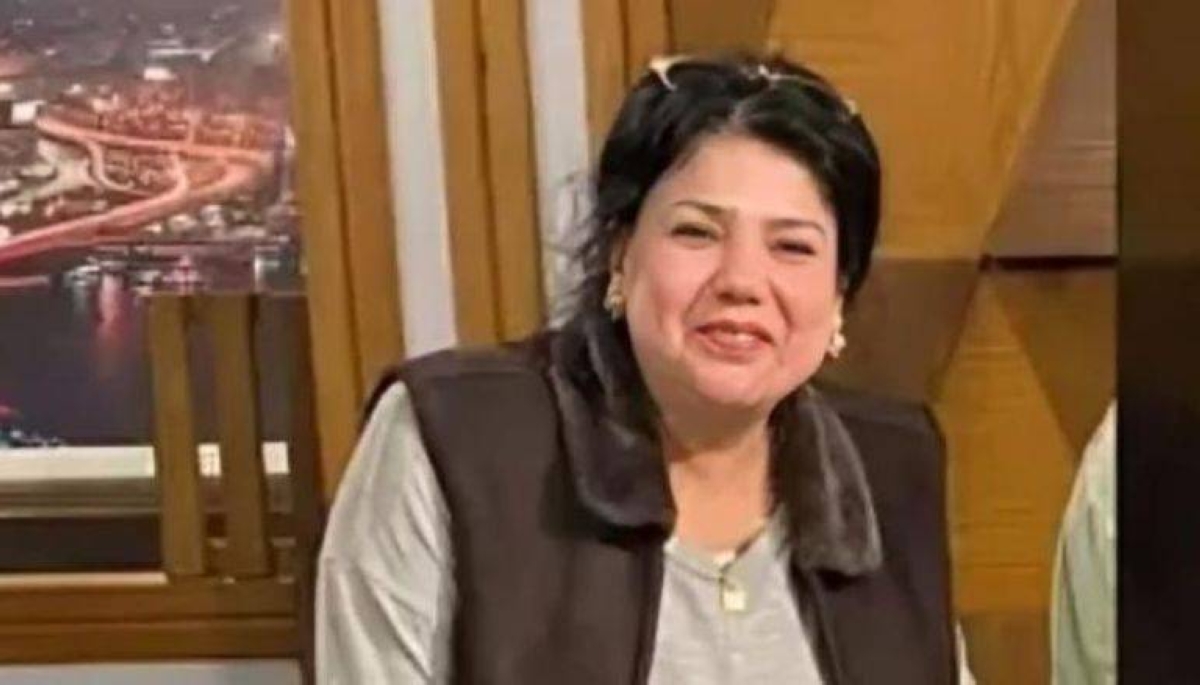
أثارت وفاة الإعلامية المصرية عبير الأباصيري، البالغة من العمر 54 عامًا، جدلًا واسعًا وحزنًا عميقًا عبر مواقع التواصل الاجتماعي، بعد اتهامات بتقصير مستشفى الهرم في تقديم الرعاية الطبية اللازمة لها، مما أدى إلى تفاقم حالتها الصحية ووفاتها إثر جلطة دماغية، كما أثارت الحادثة مطالبات عاجلة بفتح تحقيق لكشف ملابسات الواقعة.
وفقًا لمنشور عبر «فيسبوك» لصديقة الراحلة، فقد تعرضت عبير الأباصيري لجلطة في المخ مساء الأربعاء، 27 أغسطس 2025، ولم تتمكن من طلب المساعدة بنفسها بسبب حالتها الحرجة، فاستعانت بجارها الشاب فادي (16 عامًا) الذي استدعى سيارة إسعاف على الفور.
ونُقلت الإعلامية المصرية إلى مستشفى الهرم القريب من منزلها بمنطقة فيصل، لكن الرواية التي نشرتها صديقتها أشارت إلى أن المستشفى اشترط دفع 1400 جنيه لتقديم العلاج، وتركها في قسم الاستقبال لأكثر من ست ساعات دون تدخل طبي، مما تسبب في دخولها غيبوبة ووفاتها لاحقًا.
وردًا على هذه الاتهامات، أكدت وزارة الصحة المصرية أن جميع الخدمات الطبية المقدمة للإعلامية كانت مجانية، وأن المبلغ المذكور يتعلق بتكلفة أفلام الأشعة التي طلبها مرافقها.
وأوضحت الوزارة أن الأباصيري، وصلت المستشفى في حالة حرجة، وخضعت لفحوصات طبية وأشعة أكدت عدم وجود جلطة بالمخ، مع وضعها على أجهزة دعم التنفس.
لاحقًا، وبطلب من أسرتها، نُقلت إلى مستشفى خاص، حيث تعرضت لتوقف قلبي أثناء النقل، وتوفيت رغم محاولات الإنعاش، فيما أثارت الواقعة غضبًا عارمًا، حيث طالب إعلاميون ونشطاء بمحاسبة المسؤولين عن أي تقصير.
وتزامن ذلك مع زيارة نائب رئيس الوزراء ووزير الصحة الدكتور خالد عبد الغفار، لمستشفى الهرم، حيث أبدى استياءه من مستوى النظافة وتنظيم قسم الطوارئ، وأصدر قرارات عاجلة بإنهاء التعاقد مع شركتي النظافة والأمن، وإعادة تنظيم العمل بالمستشفى.
وأضاف الدكتور خالد عبدالغفار، أن وزارة الصحة ملتزمة بكل بحزم بتنفيذ قرار رئيس مجلس الوزراء رقم 1063 لسنة 2014، الذي يكفل لكل مواطن الحق في تلقي العلاج الطارئ -مجاناً- خلال أول 48 ساعة في جميع المستشفيات، حكومية كانت أو خاصة دون أي مقابل مالي، وعلى نفقة الدولة.
وأكد الوزير التزام الوزارة بحق المواطن في العلاج الطارئ المجاني، مشددًا على أن أي مستشفى يشترط دفع رسوم سيواجه الغلق الفوري أو التحقيق العاجل، كما دعا المواطنين للإبلاغ عن أي مخالفات عبر الخط الساخن (105).
وفي تطور للأحداث طالب الشاعر المصري جمال بخيت المسؤولين، بتحويل قضية وفاة عبير الأباصيري للنائب العام، بعد تعرضها للإهمال في مستشفى الهرم.
وكتب بخيت عبر حسابه الشخصي بموقع التواصل الاجتماعي فيسبوك،: «ما دام هذا هو القانون، فما حدث بالمستشفى مع عبير الأباصيري (طبقًا لرواية صديقتها)، اشتباه في جريمة قتل عمد.. ولا يجب التعامل معه باعتباره (خطًأ إداريًا)، ويجب تحويل الأمر إلى النائب العام، وليس إلى تحقيق في وزارة الصحة».
عبير الأباصيري، التي بدأت مسيرتها في صحيفة روزاليوسف عام 1994، وحصلت على ماجستير من أكاديمية الفنون، تركت إرثًا إعلاميًا مميزًا من خلال برامج مثل بيتنا الكبير وحديث الساعة.
The death of the Egyptian media figure Abir Al-Abasiri, who was 54 years old, has sparked widespread controversy and deep sadness across social media, following accusations of negligence by Al-Haram Hospital in providing the necessary medical care, which led to the deterioration of her health and her subsequent death from a stroke. The incident has also prompted urgent calls for an investigation to uncover the circumstances surrounding the event.
According to a post on Facebook by a friend of the deceased, Abir Al-Abasiri suffered a stroke on the evening of Wednesday, August 27, 2025, and was unable to call for help herself due to her critical condition. She relied on her young neighbor, Fadi (16 years old), who immediately called an ambulance.
The Egyptian media figure was taken to Al-Haram Hospital, which is near her home in Faisal. However, the account published by her friend indicated that the hospital required a payment of 1,400 Egyptian pounds to provide treatment, leaving her in the reception area for more than six hours without medical intervention, which resulted in her slipping into a coma and later dying.
In response to these accusations, the Egyptian Ministry of Health confirmed that all medical services provided to the media figure were free of charge, and that the mentioned amount was related to the cost of X-ray films requested by her companion.
The ministry clarified that Al-Abasiri arrived at the hospital in critical condition and underwent medical examinations and scans that confirmed there was no stroke, while she was placed on respiratory support machines.
Later, at the request of her family, she was transferred to a private hospital, where she suffered a cardiac arrest during the transfer and died despite resuscitation attempts. The incident has sparked widespread outrage, with journalists and activists calling for accountability for any negligence.
This coincided with a visit by the Deputy Prime Minister and Minister of Health, Dr. Khaled Abdel Ghaffar, to Al-Haram Hospital, where he expressed his dissatisfaction with the level of cleanliness and organization in the emergency department, issuing urgent decisions to terminate contracts with the cleaning and security companies and to reorganize operations at the hospital.
Dr. Khaled Abdel Ghaffar added that the Ministry of Health is firmly committed to implementing the decision of the Prime Minister No. 1063 of 2014, which guarantees every citizen the right to receive emergency treatment - free of charge - during the first 48 hours in all hospitals, whether public or private, without any financial charge, and at the state's expense.
The minister affirmed the ministry's commitment to the citizen's right to free emergency treatment, stressing that any hospital that requires payment will face immediate closure or urgent investigation, and he urged citizens to report any violations via the hotline (105).
In a development of the events, Egyptian poet Gamal Bakheet called on officials to refer the case of Abir Al-Abasiri's death to the public prosecutor after she was subjected to negligence at Al-Haram Hospital.
Bakheet wrote on his personal account on the social media platform Facebook: "As long as this is the law, what happened at the hospital with Abir Al-Abasiri (according to her friend's account) is suspected of being a premeditated murder... and it should not be treated as an 'administrative error,' and the matter should be referred to the public prosecutor, not to an investigation in the Ministry of Health."
Abir Al-Abasiri, who began her career at Rose Al-Youssef newspaper in 1994 and obtained a master's degree from the Academy of Arts, left a distinguished media legacy through programs such as "Our Big House" and "The Hour's Talk."