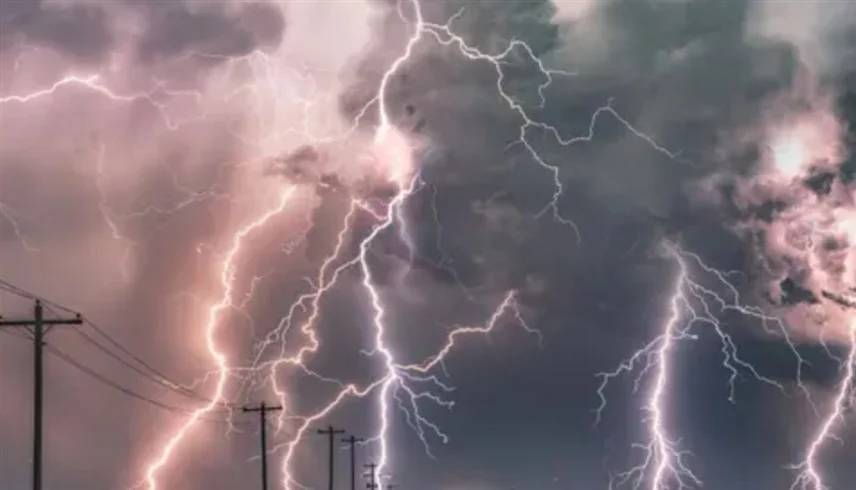
قد يرتبط البرق في أذهاننا بالعواصف والرعود فقط، لكن دراسة علمية حديثة كشفت جانباً مدهشاً وهو أن: كل ومضة برق تطلق غازات ملوثة للغلاف الجوي، تماماً كما تفعل عوادم السيارات.
الباحثون من جامعة ماريلاند الأمريكية استخدموا القمر الصناعي «تيمبو» التابع لـ«ناسا» لمراقبة العواصف بدقة غير مسبوقة. والجهاز المعتاد على التقاط بيانات كل ساعة، فُعل بوضع خاص عالي التردد لتسجيل قراءات كل عشر دقائق، ما أتاح للعلماء تتبع الانبعاثات لحظة بلحظة خلال عواصف يونيو 2025 شرق الولايات المتحدة.
وأظهرت النتائج أن البرق مسؤول عالمياً عن 10 إلى 15 % من أكاسيد النيتروجين في الجو، وهي الغازات نفسها المرتبطة بالتلوث الصناعي والبشري. لكن المثير أن البرق لا يلوث فقط، بل يطلق أيضاً جذور الهيدروكسيل القادرة على تفكيك غازات ضارة مثل الميثان، أي أنه «يلوث وينقي» في آن واحد.
وأوضح المشرف على الدراسة البروفيسور كينيث بيكرينغ أن هذه أول مرة يتم فيها رصد تأثيرات البرق بهذا التفصيل الزمني، مؤكداً أن انبعاثاته تؤثر على تكوين الأوزون وحرارة الغلاف الجوي بشكل يفوق التقديرات السابقة، خصوصاً في فصل الصيف إذ قد تضاهي آثار التلوث البشري.
من جهته، أكد زميله الباحث ديل ألين أن التجربة سمحت بتقدير كمية الغازات المنبعثة من كل ومضة برق ومدى بقائها في الجو، وهو ما سيساعد على تحسين نماذج المناخ وفهم دور البرق في الهواء الذي نتنفسه.
وتحذر الدراسة من أن الغازات الناتجة عن العواصف يمكن أن تنتقل لمسافات بعيدة وتختلط بالهواء عند سطح الأرض، مسببة زيادة في الضباب الدخاني ومخاطر صحية، لا سيما في المناطق الجبلية حيث يساهم البرق في تكوين الأوزون السطحي.
وخلصت الدراسة إلى أن البيانات عالية الدقة من الأقمار الصناعية ستفتح آفاقاً جديدة للتمييز بين التلوث الطبيعي والبشري، ما يعزز دقة التنبؤات المناخية ويتيح أدوات أفضل لحماية الصحة العامة.
Lightning may only be associated in our minds with storms and thunder, but a recent scientific study revealed an astonishing aspect: every flash of lightning releases pollutants into the atmosphere, just like car exhaust.
Researchers from the University of Maryland used NASA's "TEMPO" satellite to monitor storms with unprecedented accuracy. The device, which typically captures data every hour, was activated in a special high-frequency mode to record readings every ten minutes, allowing scientists to track emissions moment by moment during the storms of June 2025 in the eastern United States.
The results showed that lightning is globally responsible for 10 to 15% of nitrogen oxides in the atmosphere, the same gases associated with industrial and human pollution. Interestingly, lightning not only pollutes but also releases hydroxyl radicals capable of breaking down harmful gases like methane, meaning it "pollutes and purifies" at the same time.
The study's supervisor, Professor Kenneth Pickering, explained that this is the first time the effects of lightning have been observed with such temporal detail, emphasizing that its emissions impact ozone formation and atmospheric heat more than previous estimates, especially in the summer when they may rival the effects of human pollution.
For his part, his colleague, researcher Dale Allen, confirmed that the experiment allowed for estimating the amount of gases emitted by each flash of lightning and how long they remain in the atmosphere, which will help improve climate models and understand the role of lightning in the air we breathe.
The study warns that gases resulting from storms can travel long distances and mix with ground-level air, causing an increase in smog and health risks, particularly in mountainous areas where lightning contributes to the formation of ground-level ozone.
The study concluded that high-resolution data from satellites will open new horizons for distinguishing between natural and human pollution, enhancing the accuracy of climate predictions and providing better tools for protecting public health.