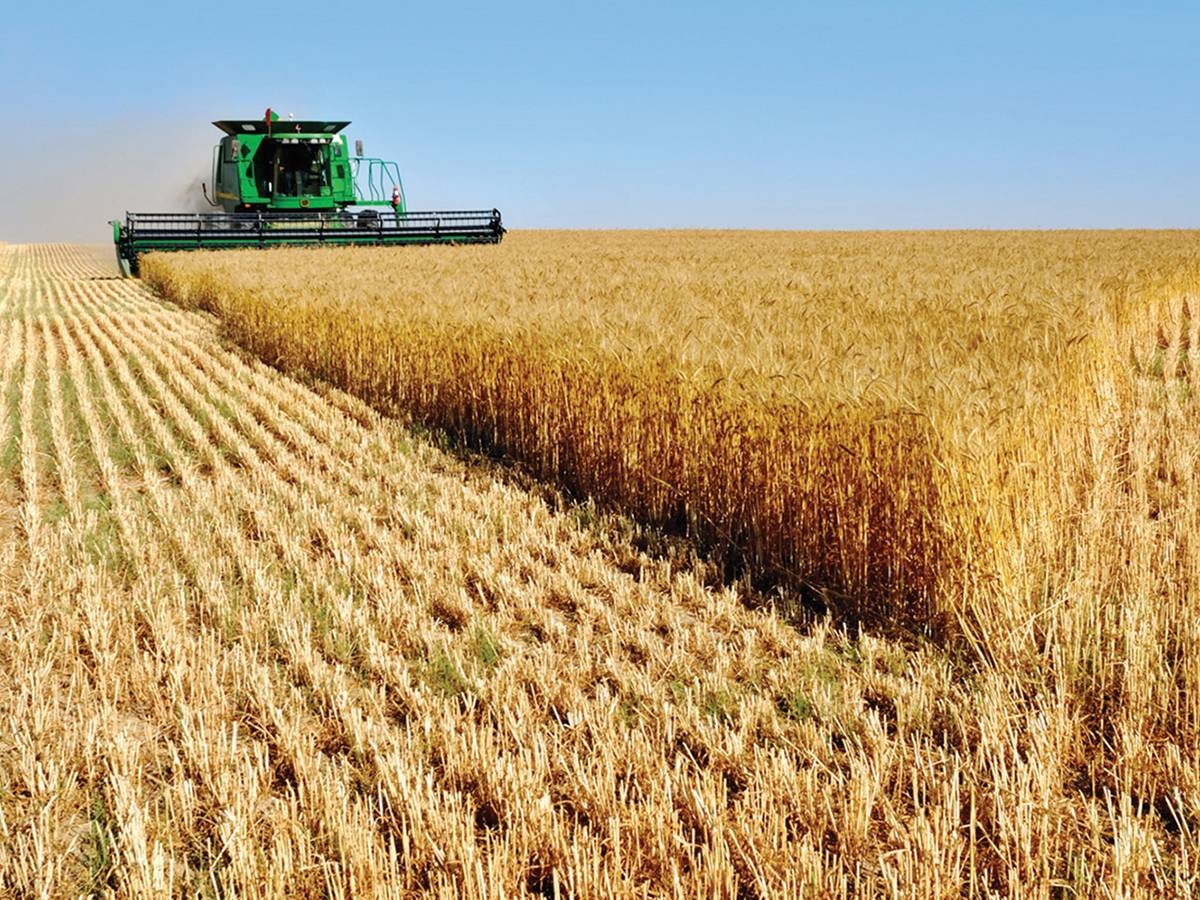
تمكن علماء من جامعة كاليفورنيا في ديفيس الأمريكية من تطوير أصناف جديدة من القمح قادرة على إنتاج السماد الطبيعي بشكل ذاتي، مما يفتح الطريق أمام الحد من تلوث الهواء والمياه على مستوى العالم.
وأوضحت الجامعة في بيان لها اليوم أن الباحثين استخدموا تقنيات التعديل الوراثي لتحفيز النباتات على إنتاج كميات إضافية من مواد كيميائية معينة، التي تتفاعل مع التربة لتكوين السماد الطبيعي.
وأشار البيان إلى أن هذا الابتكار يمكن أن يساهم في تقليص التكاليف التي يتحملها المزارعون، بالإضافة إلى تقليص الآثار السلبية على البيئة الناجمة عن التلوث بالنيتروجين.
وفي هذا السياق قال إدواردو بلوموالد، أستاذ في قسم علوم النبات بالجامعة: إن هذا الاكتشاف قد يسهم بشكل كبير في ضمان الأمن الغذائي، من خلال زيادة الإنتاجية في المزارع الصغيرة، خصوصا في مناطق مثل إفريقيا، التي تعاني من تحديات كبيرة في هذا المجال.
يذكر أن إنتاج القمح يستخدم نحو 18 % من إجمالي الأسمدة النيتروجينية المنتجة عالميا، بينما تمتص النباتات ما بين 35-50 % فقط من النيتروجين، وينتهي المطاف بالباقي في المسطحات المائية والغلاف الجوي، ما يسبب أضرارا بيئية كبيرة.
Scientists from the University of California, Davis, have developed new varieties of wheat capable of producing natural fertilizer autonomously, paving the way for reducing air and water pollution globally.
The university explained in a statement today that researchers used genetic modification techniques to stimulate the plants to produce additional amounts of certain chemicals that interact with the soil to form natural fertilizer.
The statement noted that this innovation could help reduce the costs borne by farmers, as well as mitigate the negative environmental impacts caused by nitrogen pollution.
In this context, Eduardo Blumwald, a professor in the university's Department of Plant Sciences, stated that this discovery could significantly contribute to ensuring food security by increasing productivity in small farms, especially in regions like Africa, which face major challenges in this area.
It is worth mentioning that wheat production uses about 18% of the total nitrogen fertilizers produced globally, while plants absorb only between 35-50% of nitrogen, with the remainder ending up in water bodies and the atmosphere, causing significant environmental damage.