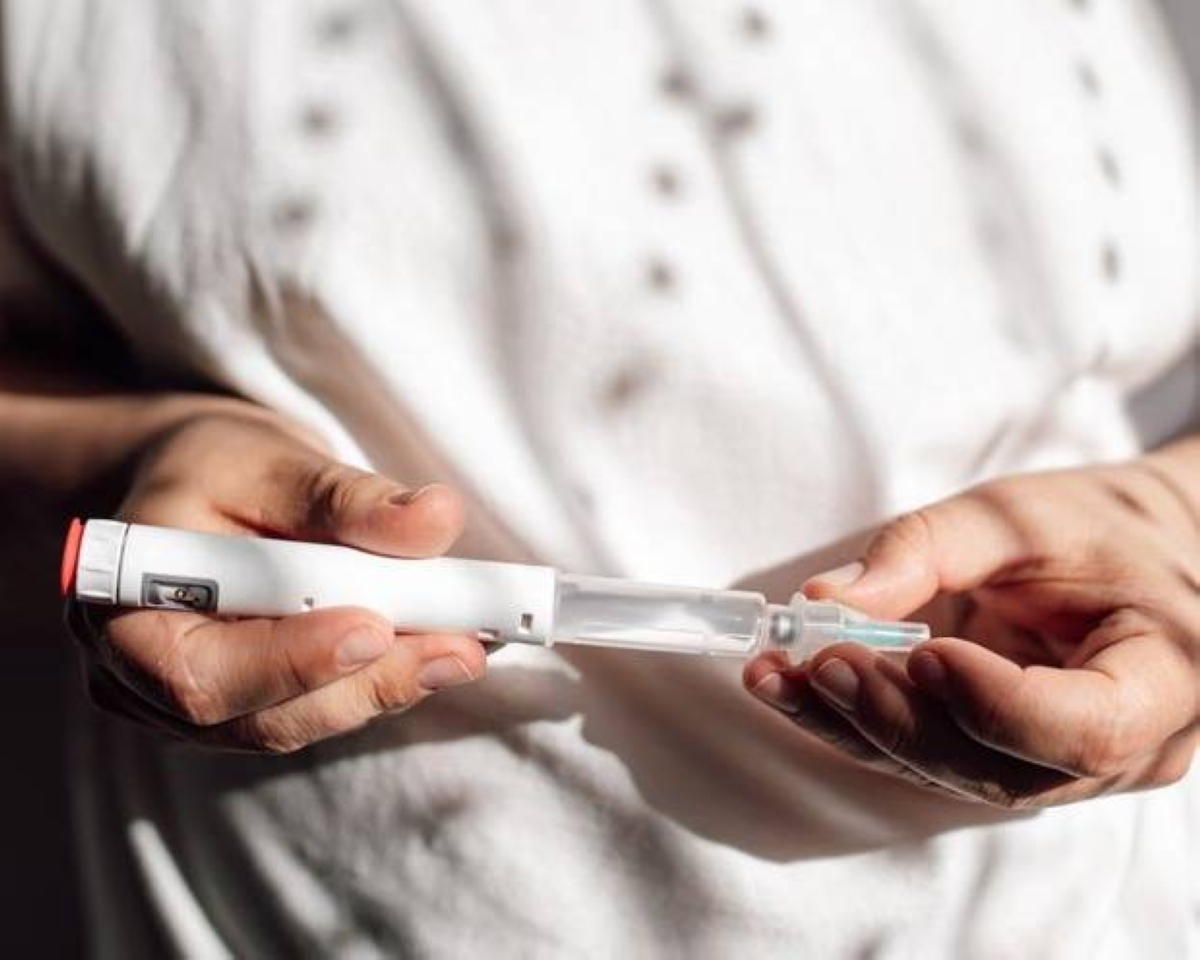
كشفت دراسة حديثة وصفتها صحيفة «الغارديان» بأنها الأكبر من نوعها، وعُرضت في أضخم مؤتمر عالمي للقلب بمدريد، أن أدوية إنقاص الوزن من فئة «GLP-1 agonists» تقلل بنسبة تصل إلى 58% من مخاطر دخول مرضى القلب المستشفيات أو الوفاة المبكرة.
وبحسب الدراسة، التي أجراها باحثون من شبكة «ماس جنرال بريغهام» في بوسطن، ونُشرت في مجلة الجمعية الطبية الأمريكية (JAMA)، فإن هذه الأدوية التي طُورت أصلا لعلاج السكري، تحاكي هرمون«GLP-1» الذي يعزز الشعور بالشبع، وأظهرت فوائد كبيرة لمرضى القلب.
وشملت الدراسة تحليل بيانات أكثر من 90 ألف مريض بفشل القلب المصابين بالسمنة وداء السكري من النوع الثاني، كما ركزت على مرضى فشل القلب مع الكسر القذفي المحفوظ (HFpEF)، وهو النوع الأكثر شيوعا.
وأظهرت النتائج أن عقار «سيماغلوتيد» قلل من احتمالية الدخول للمستشفى أو الوفاة المبكرة بنسبة 42%، بينما حقق عقار «تيرزيباتيد» انخفاضا بنسبة 58% مقارنة بالعلاج الوهمي، فيما تؤثر حالات فشل القلب على أكثر من 60 مليون شخص عالميا.
وتشير الدراسة إلى أن هذه الأدوية قد تُحدث ثورة في علاج فشل القلب، خصوصا مع محدودية الخيارات العلاجية الحالية.
وقال الدكتور نيلز كروغر، المؤلف الرئيسي للدراسة: «هذه الأدوية قد توفر خيارا علاجيا حيويا لمرضى فشل القلب المصابين بالسمنة والسكري».
وأضاف الدكتور كارلوس أغيار، نائب رئيس الجمعية الأوروبية لأمراض القلب، أن النتائج تُظهر فوائد واضحة لهذه الأدوية، ليس فقط في إنقاص الوزن بل في تقليل معدلات الوفاة والاستشفاء.
وأكدت الدكتورة سونيا بابو نارايان من مؤسسة القلب البريطانية أهمية توفير هذه العلاجات لمرضى فشل القلب المؤهلين.
وتدعم هذه النتائج أدلة سابقة تشير إلى أن «سيماغلوتيد» يقلل من مخاطر النوبات القلبية والسكتات الدماغية بنسبة 20%، بغض النظر عن الوزن الأولي أو كمية الوزن المفقود، ومع ذلك هناك حاجة لمزيد من الأدلة قبل تعميم استخدام هذه الأدوية لتقليل المخاطر الصحية لمرضى القلب.
A recent study described by The Guardian as the largest of its kind, presented at the largest global heart conference in Madrid, revealed that weight loss medications from the "GLP-1 agonists" category reduce the risk of hospitalization or early death for heart patients by up to 58%.
According to the study conducted by researchers from the Mass General Brigham network in Boston and published in the Journal of the American Medical Association (JAMA), these medications, originally developed for diabetes treatment, mimic the hormone "GLP-1" that enhances the feeling of fullness, showing significant benefits for heart patients.
The study included an analysis of data from over 90,000 patients with heart failure who are obese and have type 2 diabetes, focusing on heart failure patients with preserved ejection fraction (HFpEF), the most common type.
The results showed that the drug "semaglutide" reduced the likelihood of hospitalization or early death by 42%, while the drug "tirzepatide" achieved a 58% reduction compared to placebo, with heart failure affecting more than 60 million people globally.
The study indicates that these medications could revolutionize the treatment of heart failure, especially given the limited current treatment options.
Dr. Nils Kroger, the lead author of the study, stated: "These drugs may provide a vital treatment option for heart failure patients who are obese and have diabetes."
Dr. Carlos Aguiar, Vice President of the European Society of Cardiology, added that the results demonstrate clear benefits of these medications, not only in weight loss but also in reducing mortality and hospitalization rates.
Dr. Sonia Babu Narayan from the British Heart Foundation emphasized the importance of making these treatments available to eligible heart failure patients.
These results support previous evidence suggesting that "semaglutide" reduces the risks of heart attacks and strokes by 20%, regardless of initial weight or amount of weight lost; however, more evidence is needed before generalizing the use of these drugs to reduce health risks for heart patients.