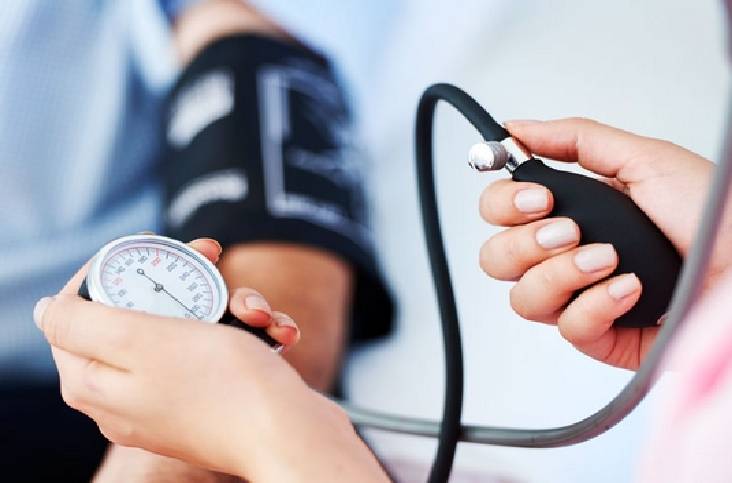
طوّر باحثون في معهد دورج للصحة العالمية حاسبة جديدة مبتكرة تهدف إلى تعزيز فعالية علاج ضغط الدم. تعتمد هذه الحاسبة على بيانات من 500 تجربة سريرية شملت أكثر من 100 ألف شخص، وتتيح للأطباء تحديد تأثير الأدوية المختلفة بدقة أكبر، ما يفتح آفاقاً جديدة في علاج هذه الحالة الصحية الشائعة.
وأشار الباحث المشارك في تطوير الحاسبة الدكتور أنتوني رودجرز إلى أن هذه الأداة تمثل ثورة في معالجة ضغط الدم، مُعتبرًا أن استخدامها يتجاوز أساليب العلاج التقليدية التي تعتمد على «البدء بجرعات منخفضة والزيادة تدريجيًا». وأضاف: «النهج التقليدي قد يكون مضللًا في بعض الأحيان بسبب تغيرات ضغط الدم أو تأثيرات القصور الذاتي».
توفر الحاسبة الجديدة للأطباء القدرة على تحديد مقدار خفض ضغط الدم المطلوب لكل مريض، واختيار العلاج المثالي بناءً على الأدلة العلمية القوية. وهذا لا يعزز فقط من فاعلية العلاج، بل يساعد في تشجيع المرضى على بدء العلاج بسرعة أكبر للوصول إلى النتائج المرجوة.
كما تتيح الحاسبة تصنيف الأدوية حسب فاعليتها في خفض ضغط الدم إلى ثلاث فئات: منخفضة، متوسطة، وعالية الشدة. ويشبه هذا النهج المتقدم ذلك المستخدم في علاج خفض مستويات الكوليسترول.
وتشير الدراسات إلى أن معظم أدوية ضغط الدم تخفض الضغط الانقباضي بمقدار 8-9 مليمتر زئبقي فقط، بينما يحتاج معظم المرضى إلى تخفيضات أكبر تراوح بين 15 و30 مليمتر زئبقي. لذا يوصي الأطباء غالبًا باستخدام دواءين لتحقيق النتائج المثلى.
ويعتزم الباحثون اختبار الحاسبة الجديدة في تجربة سريرية، إذ ستساعد في تحديد العلاجات الأنسب للمرضى بناءً على الحاجة الفعلية لخفض ضغط الدم. وإذا تم تطبيق هذه الأداة بشكل واسع، فإن تحسين فعالية علاجات ضغط الدم قد يسهم في زيادة نسبة السيطرة على الضغط المرتفع عالميًا، وهو ما قد يُنقذ ملايين الأرواح في المستقبل.
Researchers at the Dorge Institute for Global Health have developed an innovative new calculator aimed at enhancing the effectiveness of blood pressure treatment. This calculator is based on data from 500 clinical trials involving over 100,000 people, allowing doctors to determine the impact of different medications with greater accuracy, opening new horizons in the treatment of this common health condition.
Co-researcher Dr. Anthony Rodgers noted that this tool represents a revolution in blood pressure management, considering that its use goes beyond traditional treatment methods that rely on "starting with low doses and gradually increasing." He added, "The traditional approach can sometimes be misleading due to fluctuations in blood pressure or the effects of inertia."
The new calculator provides doctors with the ability to determine the amount of blood pressure reduction required for each patient and to select the ideal treatment based on strong scientific evidence. This not only enhances the effectiveness of treatment but also helps encourage patients to start treatment more quickly to achieve the desired results.
The calculator also categorizes medications based on their effectiveness in lowering blood pressure into three categories: low, medium, and high intensity. This advanced approach is similar to that used in treating cholesterol level reductions.
Studies indicate that most blood pressure medications lower systolic pressure by only 8-9 mmHg, while most patients require reductions between 15 and 30 mmHg. Therefore, doctors often recommend using two medications to achieve optimal results.
The researchers intend to test the new calculator in a clinical trial, as it will help identify the most suitable treatments for patients based on the actual need for blood pressure reduction. If this tool is widely implemented, improving the effectiveness of blood pressure treatments could contribute to increasing the rate of hypertension control globally, potentially saving millions of lives in the future.