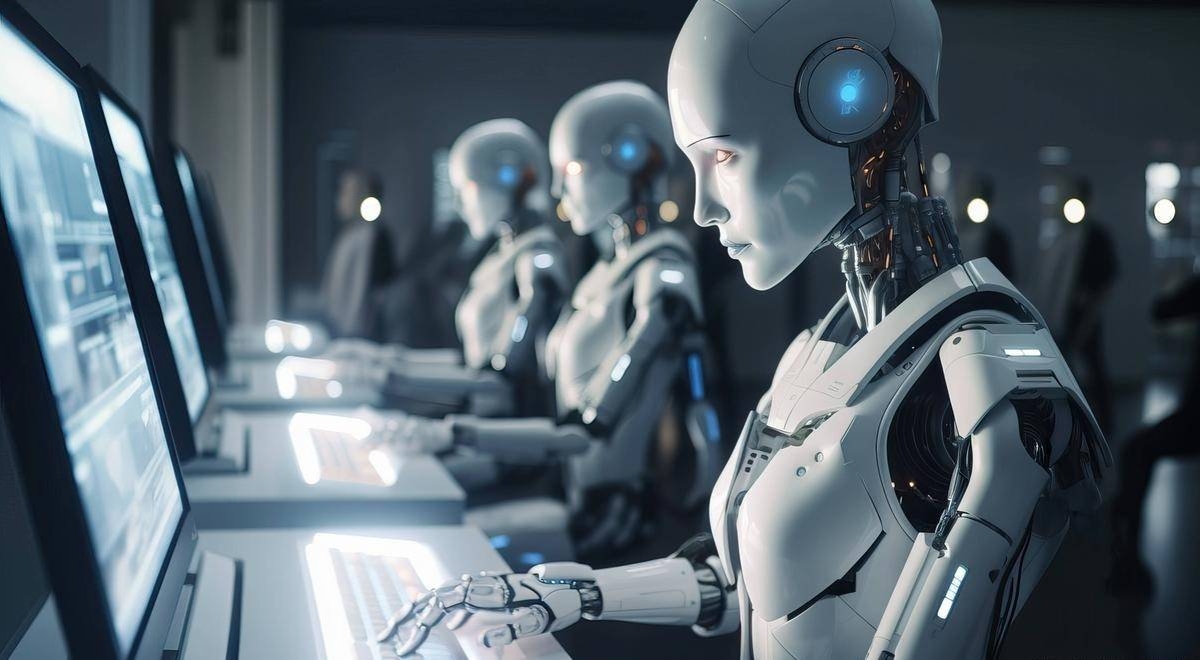
لم يعد الذكاء الاصطناعي مجرد تقنية مساعدة في حياتنا اليومية، بل أصبح لاعباً أساسياً في سوق العمل العالمية، يغير قواعد اللعبة بسرعة ويثير مخاوف جدية بشأن مصير ملايين الوظائف. فبينما تتسابق الشركات على أتمتة العمليات وتحقيق الكفاءة القصوى، تلوح في الأفق علامات تهدد بانقراض بعض المهن التقليدية التي لم يعد وجود العنصر البشري فيها ضرورياً.
ومع ذلك، لا يعني صعود الذكاء الاصطناعي نهاية دور الإنسان في سوق العمل، إذ تظل المهارات الإبداعية والعاطفية والتواصلية عصية على الاستنساخ الآلي. الخبراء يؤكدون أن المستقبل سيكون لأولئك الذين يجيدون التكيف، فيجمعون بين فهم التقنيات الحديثة والقدرة على تقديم قيمة إنسانية مضافة لا تستطيع الآلة تقليدها. هنا تبرز أهمية المرونة، والبحث عن مجالات تصعب أتمتتها، مثل الفنون، القيادة، والاستشارات.
الحل يكمن في التعلم المستمر وتطوير الذات. فالعالم الجديد يحتاج موظفاً لا يكتفي بشهادة جامعية، بل يسعى دوماً لاكتساب مهارات جديدة، وتوسيع خبراته في مجالات متعددة، وتحويل الذكاء الاصطناعي من تهديد إلى أداة تعزز إنتاجيته. بذلك فقط يمكن للعامل أن يحافظ على مكانه وسط طوفان التطور التكنولوجي، ويصنع لنفسه مساحة آمنة في المستقبل المهني.
Artificial intelligence is no longer just an assistive technology in our daily lives; it has become a key player in the global job market, rapidly changing the rules of the game and raising serious concerns about the fate of millions of jobs. While companies race to automate processes and achieve maximum efficiency, signs loom on the horizon threatening the extinction of some traditional professions where the presence of the human element is no longer essential.
However, the rise of artificial intelligence does not mean the end of the human role in the job market, as creative, emotional, and communicative skills remain difficult to replicate mechanically. Experts affirm that the future will belong to those who excel at adapting, combining an understanding of modern technologies with the ability to provide added human value that machines cannot imitate. Here, the importance of flexibility emerges, along with the search for areas that are difficult to automate, such as the arts, leadership, and consulting.
The solution lies in continuous learning and self-development. The new world requires an employee who does not settle for a university degree but constantly seeks to acquire new skills, expand their experiences in various fields, and transform artificial intelligence from a threat into a tool that enhances their productivity. Only in this way can a worker maintain their position amidst the flood of technological advancement and carve out a safe space for themselves in the professional future.