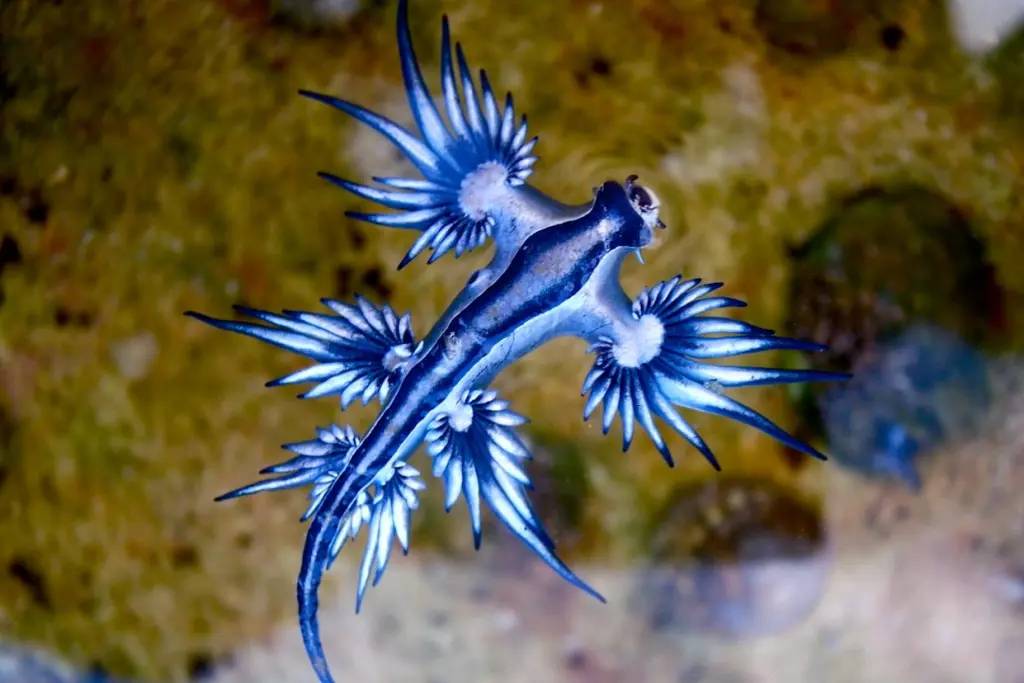
فوجئ المصطافون في ساحل كوستا بلانكا الإسباني، بانتشار رخويات بحرية سامة تعرف بـ«التنين الأزرق»، ما دفع السلطات إلى حظر السباحة على جميع الشواطئ حفاظًا على سلامة الزوار.
وأعلنت الشرطة المحلية عبر «فيسبوك»: «لسلامة المواطنين، يُحظر السباحة». كما حذّرت من لمس هذه الكائنات حتى وهي نافقة، إذ تبقى الخلايا اللاذعة نشطة وقادرة على التسبب بلسعات خطيرة.
يتميز الكائن البحري المعروف علميًا باسم Glaucus atlanticus بجسم أزرق لامع وزعانف تشبه الأجنحة، لكنه يمتص السم من فرائسه ويخزّنه بتركيز أعلى، ما يجعله قادرًا على إحداث ألم شديد وغثيان وتهيّج جلدي وحتى ردود فعل تحسسية خطيرة لدى البشر.
بدورها، أوصت السلطات الصحية من يتعرض للسعة بشطف المنطقة المصابة بماء البحر لا العذب، وطلب رعاية طبية عاجلة. وتُعدّ هذه الكائنات نادرة في البحر الأبيض المتوسط، إذ تنتشر عادة في المياه الاستوائية وشبه الاستوائية. ظهورها المفاجئ في إسبانيا أثار تساؤلات عن تغير أنماط الحياة البحرية.
ولم تُحدد بعد مدة إغلاق الشواطئ، فيما تستمر فرق المراقبة في متابعة الوضع بانتظار عودة «التنانين الزرقاء» إلى أعماق البحر.
Vacationers on the Spanish Costa Blanca were surprised by the spread of a toxic sea creature known as the "blue dragon," prompting authorities to ban swimming at all beaches to ensure the safety of visitors.
The local police announced via Facebook: "For the safety of citizens, swimming is prohibited." They also warned against touching these creatures even when they are dead, as their stinging cells remain active and can cause serious stings.
The marine creature, scientifically known as Glaucus atlanticus, features a shiny blue body and wing-like fins, but it absorbs venom from its prey and stores it at a higher concentration, making it capable of causing severe pain, nausea, skin irritation, and even serious allergic reactions in humans.
In turn, health authorities recommended that anyone who is stung rinse the affected area with seawater, not fresh water, and seek urgent medical care. These creatures are rare in the Mediterranean Sea, as they usually inhabit tropical and subtropical waters. Their sudden appearance in Spain has raised questions about changes in marine life patterns.
The duration of the beach closures has not yet been determined, while monitoring teams continue to observe the situation in anticipation of the "blue dragons" returning to the depths of the sea.