لسان اصطناعي «يتذوق ويتعلّم».. قفزة لحواس الآلات
26 أغسطس 2025 - 00:02
|
آخر تحديث 26 أغسطس 2025 - 00:02


تابع قناة عكاظ على الواتساب
«عكاظ» (جدة) OKAZ_online@
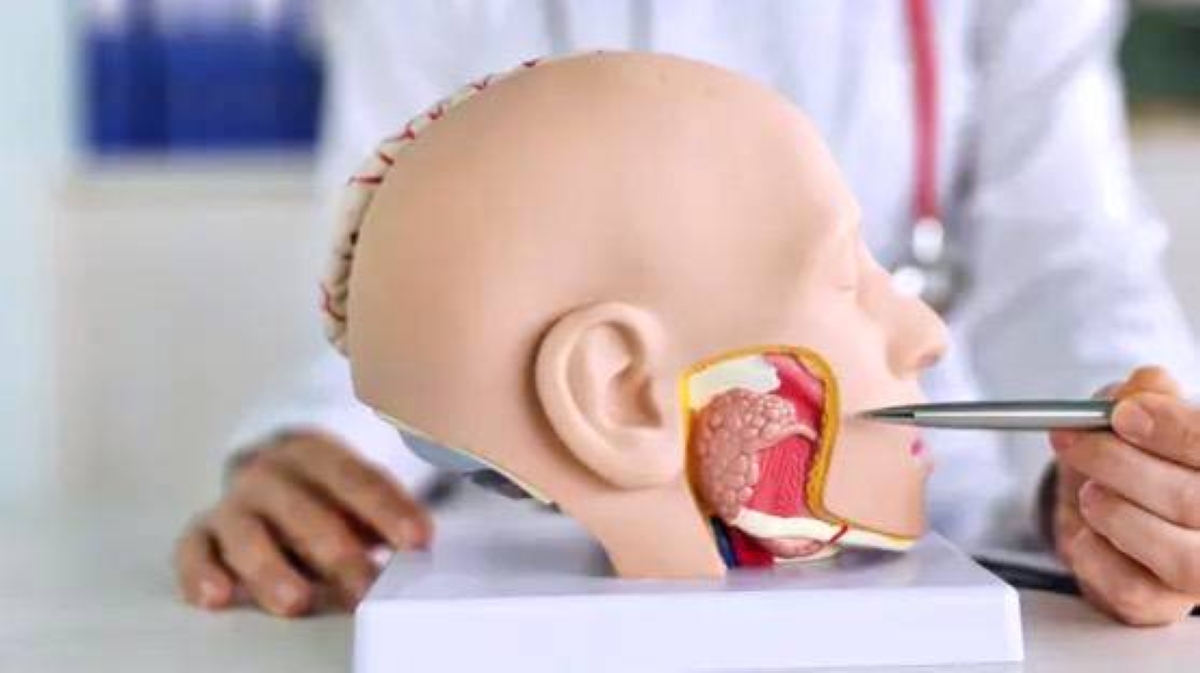
كشف باحثون عن أول لسان اصطناعي قادر على استشعار وتمييز النكهات في السوائل مع قابلية التعلّم لتحسين الدقة بمرور الوقت، في خطوة تحاكي عمل براعم التذوق البشرية. يفتح الابتكار الباب أمام تطبيقات تمتد من سلامة الأغذية ورصد الغش إلى التشخيص الطبي السريع، حيث يمكن تعقّب التغيّرات الدقيقة في المركبات الكيميائية لمشروبات أو عينات سريرية. ويعتمد التصميم على محاكاة البنية الوظيفية لحاسة التذوق من خلال طبقات استشعار دقيقة ونماذج تعلم آلي تُحوّل الإشارات إلى «بصمات نكهة» قابلة للتصنيف. ومع أن الطريق لا يزال طويلاً قبل الإحلال محلّ الحواس البشرية في التعقيد والغنى، إلا أن دمج الاستشعار بالذكاء الاصطناعي يَعِدُ بجيل جديد من الأدوات المخبرية والصناعية ذات حساسية عالية وقدرة على التكيف، ما قد يجعل «التذوّق» مهارة معيارية للآلات في المختبرات وخطوط الإنتاج. ويعزز هذا التطور مسار «تشبيه الحواس»، حيث باتت الكاميرات ترى أفضل، والميكروفونات تسمع أدق، لكن السؤال هل يمكن أن يحل اللسان الاصطناعي محل اللسان الطبيعي؟!
Researchers have unveiled the first artificial tongue capable of sensing and distinguishing flavors in liquids with the ability to learn to improve accuracy over time, in a step that mimics the function of human taste buds. This innovation opens the door to applications ranging from food safety and fraud detection to rapid medical diagnostics, as it can track subtle changes in the chemical compounds of beverages or clinical samples. The design relies on simulating the functional structure of the sense of taste through precise sensing layers and machine learning models that convert signals into classifiable "flavor fingerprints." Although the road is still long before it can replace human senses in complexity and richness, the integration of sensing with artificial intelligence promises a new generation of laboratory and industrial tools with high sensitivity and adaptability, which could make "tasting" a standard skill for machines in laboratories and production lines. This development enhances the path of "sensory mimicry," where cameras see better, and microphones hear more accurately, but the question remains: can the artificial tongue replace the natural tongue?!