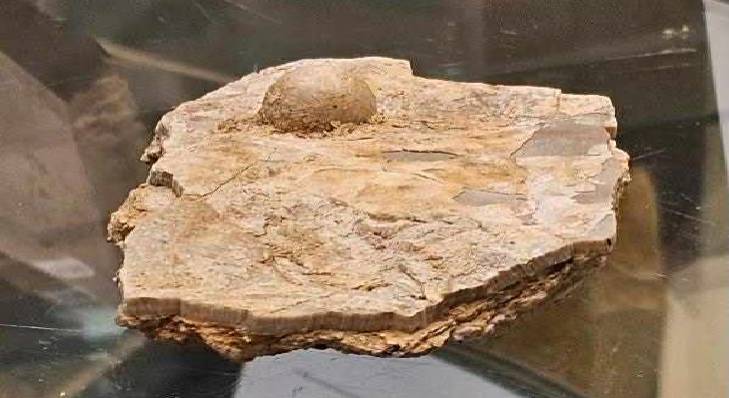
في اكتشاف علمي نادر، عثرت سائحة في ولاية كوينزلاند الأسترالية على لؤلؤة متحجرة قُدّر عمرها بنحو 100 مليون عام، ويبلغ قطرها نحو سنتيمترين، ما يجعلها واحدة من أهم الاكتشافات الأحفورية في المنطقة.
ووفق شبكة ABC، فإن اللؤلؤة وُجدت في منطقة ريتشموند، الغنية بالكنوز الجيولوجية، خلال عمليات تنقيب ينظمها متحف كرونوصور كورنر. وبعد فحص استمر عامين، أكد البروفيسور غريغوري ويب من جامعة كوينزلاند أن اللؤلؤة «ذات قيمة علمية استثنائية». وأشار إلى أنها بقيت محافظة على حالتها الأصلية تقريباً منذ تشكلها في عصر بحر إيرومانغا الداخلي الذي غطى مساحات شاسعة من أستراليا.
وأوضح ويب أن اللؤلؤة نشأت داخل صدفة رخويات عملاقة من نوع «Inoceramus»، وأن تركيبها المعدني الفريد ساعدها على الصمود ملايين السنين.
وتُعد هذه اللؤلؤة المكتشفة ثالث لؤلؤة ما قبل تاريخية يتم العثور عليها في أستراليا، لكنها الأكبر والأكثر أهمية مقارنة باللآلئ المكتشفة سابقاً في كوبر بيدي.
كما أكد العلماء أن هذه الاكتشافات تسلّط الضوء على كيفية تكيف الكائنات البحرية القديمة مع التغيرات المناخية، ما يمنح الباحثين رؤى أعمق لفهم استجابات النظم البيئية الحديثة تجاه التحولات البيئية المتسارعة.
In a rare scientific discovery, a tourist in Queensland, Australia, found a fossilized pearl estimated to be around 100 million years old, with a diameter of about two centimeters, making it one of the most significant fossil discoveries in the region.
According to ABC News, the pearl was found in the Richmond area, rich in geological treasures, during excavation operations organized by the Kronosaurus Corner Museum. After a two-year examination, Professor Gregory Webb from the University of Queensland confirmed that the pearl has "exceptional scientific value." He noted that it has remained almost in its original condition since its formation during the era of the Eromanga Sea, which covered vast areas of Australia.
Webb explained that the pearl originated inside the shell of giant mollusks of the species "Inoceramus," and its unique mineral composition helped it withstand millions of years.
This discovered pearl is the third prehistoric pearl found in Australia, but it is the largest and most significant compared to the pearls previously discovered in Coober Pedy.
Scientists also confirmed that these discoveries shed light on how ancient marine organisms adapted to climate changes, providing researchers with deeper insights into understanding modern ecosystems' responses to rapid environmental shifts.