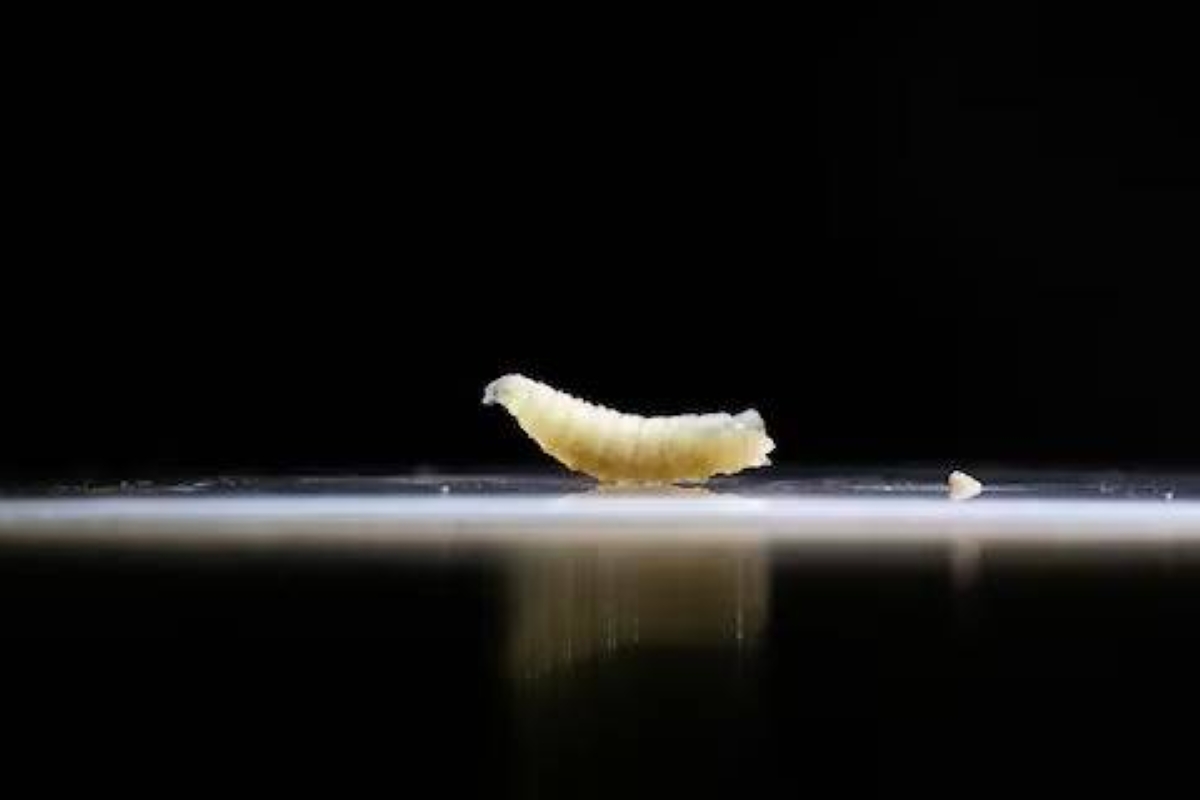
أعلنت وزارة الصحة والخدمات الإنسانية الأمريكية تسجيل أول حالة إصابة بشرية بدودة لولبية جديدة (New World Screwworm) في الولايات المتحدة، وهي طفيلية مفترسة للأنسجة الحية، تم رصدها لدى مسافر عائد من السلفادور.
وأكدت مراكز السيطرة على الأمراض والوقاية منها (CDC) الحالة في 4 أغسطس، بعد تحقيق أجرته إدارة الصحة في ولاية ماريلاند بالتعاون مع الوزارة.
ووفقاً للمتحدث باسم وزارة الصحة أندرو ج. نيكسون، فإن الحالة تخص شخصاً عاد من السلفادور، وتم التعامل معها طبياً مع اتخاذ تدابير وقائية في الولاية.
وأثارت تقارير متضاربة حول مصدر الإصابة -حيث ذكرت مصادر صناعية أن المريض قادم من غواتيمالا- جدلاً حول دقة المعلومات المقدمة.
وأوضح نيكسون أن مخاطر انتقال هذه الدودة إلى العامة في الولايات المتحدة تظل منخفضة للغاية، مشيراً إلى أن الحالة تم احتواؤها.
ولم تسجل السلطات الأمريكية أي إصابات بين الحيوانات هذا العام، ما يقلل من القلق المباشر حول انتشار الطفيلي في القطاع الزراعي.
ومع ذلك، فإن هذا الإعلان أثار قلقاً كبيراً بين مربي الماشية ومنتجي اللحوم، خصوصاً مع تحرك الدودة اللولبية شمالاً من أمريكا الوسطى والمكسيك.
وتم الإبلاغ عن الحالة إلى السلطات الصحية في ماريلاند وطبيبة الدولة البيطرية، وفقاً لقوانين الخصوصية التي تحد من الكشف عن تفاصيل إضافية عن المريض.
ما هي الدودة اللولبية؟
الدودة اللولبية هي نوع من الذباب الطفيلي، وتضع الإناث بيوضها في الجروح المفتوحة لأي حيوان دافئ الدم، وبعد فقس البيوض، تتغذى مئات اليرقات على الأنسجة الحية، ما قد يؤدي إلى موت المضيف إذا لم يُعالج. ويُشبه تغذي اليرقات حركة المسمار في الخشب، وهو ما أعطى الطفيلي اسمه.
وعلى الرغم من ندرة إصابة البشر، إلا أن الحالات غير المعالجة قد تكون قاتلة، ويتطلب العلاج إزالة مئات اليرقات وتطهير الجروح بعناية، لكنه عادةً ما يكون ناجحاً إذا تم اكتشافه مبكراً، كما أن الدودة اللولبية تُعد كارثة محتملة للماشية والحيوانات البرية، حيث تتسبب في خسائر اقتصادية هائلة.
وتأتي هذه الحالة في وقت حساس لصناعة الماشية الأمريكية، حيث وصلت أسعار الماشية إلى مستويات قياسية بسبب تقلص حجم القطيع الأمريكي إلى أدنى مستوى له منذ 7 عقود.
وتشير تقديرات وزارة الزراعة الأمريكية إلى أن تفشي الدودة اللولبية في تكساس، أكبر ولاية منتجة للماشية، قد يكلف الاقتصاد نحو 1.8 مليار دولار بسبب نفوق الماشية وتكاليف العلاج والعمالة.
وفي سياق متصل، أعلنت وزيرة الزراعة الأمريكية بروك رولينز خططاً لبناء منشأة لإنتاج ذباب معقم في تكساس لمكافحة الطفيلي، وهي استراتيجية نجحت في القضاء على الدودة اللولبية في الولايات المتحدة خلال ستينات القرن الماضي.
ومع ذلك، واجهت الوزارة انتقادات من بعض المنتجين بسبب بطء استجابتها. المنشأة الجديدة، التي ستقام في قاعدة مور الجوية بإدينبورغ، ستستغرق من سنتين إلى 3 سنوات لتصبح جاهزة.
ومنذ عام 2023، تنتشر الدودة اللولبية شمالاً عبر المكسيك قادمة من أمريكا الوسطى، وهي مستوطنة في دول مثل كوبا، وهايتي، والدومينيكان.
وفي يوليو، سجلت المكسيك حالة جديدة على بعد 370 ميلاً جنوب الحدود الأمريكية، ما دفع الولايات المتحدة إلى إغلاق موانئ الاستيراد الجنوبية للماشية منذ نوفمبر الماضي.
وتعتمد الولايات المتحدة سنوياً على استيراد أكثر من مليون رأس ماشية من المكسيك لتسمينها وتحويلها إلى لحوم.
وفي المكسيك، بدأت الحكومة في يوليو بناء منشأة بقيمة 51 مليون دولار لإنتاج الذباب المعقم في جنوب البلاد، بينما ينتج المصنع الوحيد العامل حالياً في بنما 100 مليون ذبابة معقمة أسبوعياً، وهو رقم غير كافٍ لوقف الانتشار.
The U.S. Department of Health and Human Services announced the registration of the first human case of a new screwworm (New World Screwworm) in the United States, a parasitic predator of living tissue, detected in a traveler returning from El Salvador.
The Centers for Disease Control and Prevention (CDC) confirmed the case on August 4, following an investigation conducted by the Maryland Department of Health in collaboration with the department.
According to Health Department spokesperson Andrew J. Nixon, the case involves a person who returned from El Salvador and has been medically treated with preventive measures taken in the state.
Conflicting reports regarding the source of the infection—where industrial sources claimed the patient was from Guatemala—sparked debate over the accuracy of the information provided.
Nixon clarified that the risk of this worm spreading to the public in the United States remains extremely low, noting that the case has been contained.
No animal infections have been reported by U.S. authorities this year, which reduces immediate concerns about the parasite spreading in the agricultural sector.
However, this announcement has raised significant concern among cattle ranchers and meat producers, especially with the screwworm moving north from Central America and Mexico.
The case was reported to health authorities in Maryland and the state veterinarian, in accordance with privacy laws that limit the disclosure of additional details about the patient.
What is the screwworm?
The screwworm is a type of parasitic fly that lays its eggs in open wounds of any warm-blooded animal. After the eggs hatch, hundreds of larvae feed on living tissue, which can lead to the host's death if not treated. The larvae's feeding resembles the movement of a screw in wood, which is how the parasite got its name.
Although human infections are rare, untreated cases can be fatal, and treatment requires the removal of hundreds of larvae and careful cleaning of the wounds, but it is usually successful if detected early. The screwworm is considered a potential disaster for livestock and wildlife, causing enormous economic losses.
This case comes at a sensitive time for the U.S. cattle industry, as cattle prices have reached record levels due to the shrinking size of the U.S. herd to its lowest level in 70 years.
Estimates from the U.S. Department of Agriculture suggest that an outbreak of the screwworm in Texas, the largest cattle-producing state, could cost the economy around $1.8 billion due to cattle deaths and treatment and labor costs.
In a related context, U.S. Agriculture Secretary Brooke Rollins announced plans to build a facility to produce sterile flies in Texas to combat the parasite, a strategy that successfully eradicated the screwworm in the United States during the 1960s.
However, the department has faced criticism from some producers for its slow response. The new facility, which will be located at the Moore Air Force Base in Edinburg, will take 2 to 3 years to become operational.
Since 2023, the screwworm has been spreading north through Mexico from Central America, and it is endemic in countries such as Cuba, Haiti, and the Dominican Republic.
In July, Mexico reported a new case 370 miles south of the U.S. border, prompting the United States to close its southern cattle import ports since last November.
The United States relies annually on importing over a million cattle from Mexico for fattening and processing into meat.
In Mexico, the government began construction in July on a $51 million facility to produce sterile flies in the south of the country, while the only currently operating plant in Panama produces 100 million sterile flies weekly, a number insufficient to halt the spread.