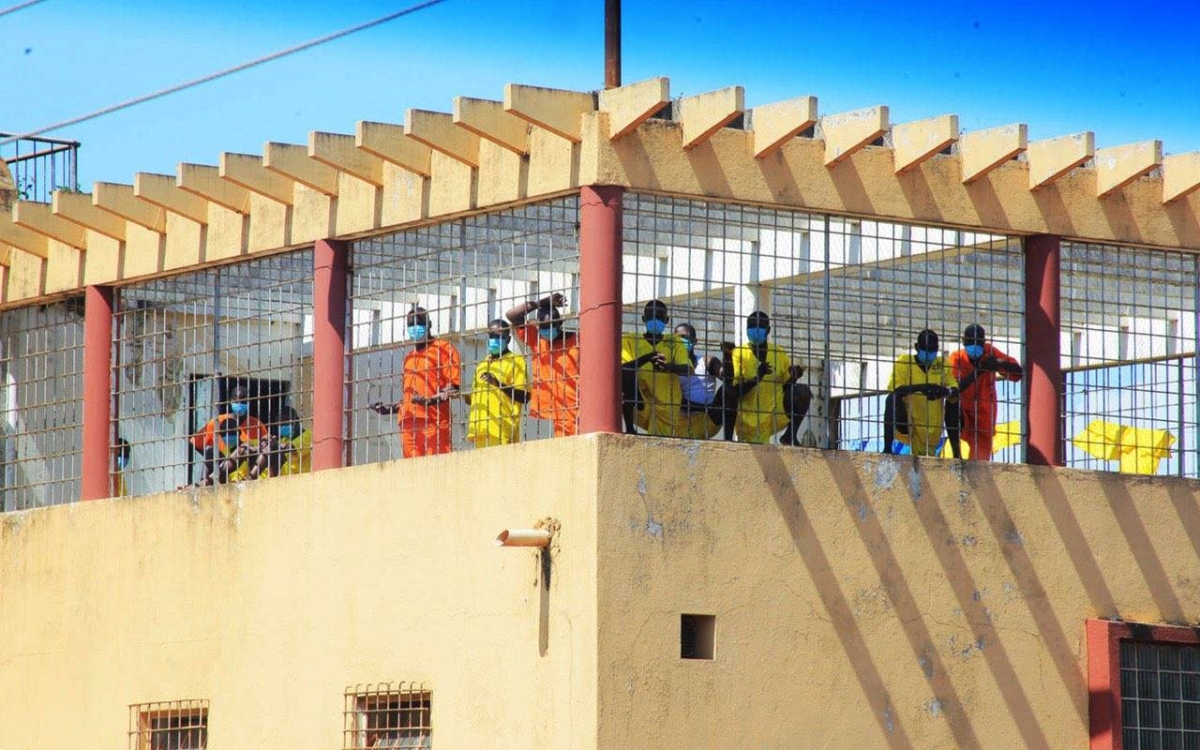
أعلنت مصلحة السجون الأوغندية عن خطط طموحة لتطوير مرافق احتجاز متخصصة للسجناء البارزين، بما في ذلك السياسيون، ووزراء الحكومة، وكبار المسؤولين من القطاعين العام والخاص، وذلك خلال حوار وطني حول تعزيز حقوق الأشخاص ذوي الإعاقة العقلية في النظام الجنائي الأوغندي.
وكشف مفوض عام السجون الدكتور جونسون بياباشايجا، عن وجود غرف احتجاز لكبار الشخصيات في سجن لوزيرا، مع خطط لتوسيع هذه المرافق في مناطق أخرى مثل مبرارا.
وتعاني السجون الأوغندية من اكتظاظ شديد، حيث تستوعب 269 سجناً في البلاد نحو 78,500 سجين، بينما تبلغ السعة المصممة 20,996 سجيناً فقط، ما يعني معدل اكتظاظ يصل إلى 371.6%. هذا الوضع يفاقم التحديات المتعلقة بالتغذية، والرعاية الصحية، والنظافة، خصوصاً مع وجود عجز مالي يقدر بنحو 79.94 مليار شيلينغ أوغندي لتغطية تكاليف الطعام.
ووفقاً للدكتور بياباشايجا، شهدت مصلحة السجون خلال العقدين الماضيين احتجاز شخصيات بارزة، بما في ذلك نائب رئيس سابق، ووزراء، وقادة سياسيون، مثل نائب الرئيس السابق جيلبرت بوكينيا، ووزيري الصحة السابقين مايك موكولا وجيم موهويزي، ودفعت هذه التجارب المصلحة إلى التفكير في بناء زنازين مستقلة ذاتية الخدمات لتلبية احتياجات هؤلاء السجناء، مع ضمان ظروف إنسانية تتماشى مع المعايير الدولية لحقوق السجناء، كما تنص عليها المادة 215 من الدستور الأوغندي وقانون السجون لعام 2006.
وأوضح بياباشايجا أن المرافق الجديدة ستكون ذاتية الخدمات، تشمل غرفاً منفصلة مجهزة بمرافق صحية مستقلة، لضمان معاملة إنسانية وآمنة. وأشار إلى أن سجن كيتاليا يحتوي بالفعل على 36 غرفة منفصلة ذاتية الخدمات، وهناك خطط لتوسيع هذا النموذج في مناطق أخرى، بدءاً من مبرارا، مضيفا أن هذه الخطوة تأتي أيضاً كإجراء احترازي، حيث قال مازحاً حتى هو نفسه قد يحتاج يوماً إلى هذه المرافق، نظراً لعدم استثناء أحد من احتمال الاحتجاز.
تأتي هذه الخطة، في وقت تسعى فيه مصلحة السجون لمعالجة تحديات أخرى، مثل نقص الموارد الصحية والنفسية، حيث يوجد 247 سجيناً في الجناح النفسي بسجن لوزيرا، مع وجود جناح واحد فقط للرعاية النفسية في البلاد، كما تواجه المصلحة تحديات مالية، حيث تتطلب ميزانية سنوية إضافية بقيمة 158.943 مليار شيلينغ لتغطية الاحتياجات الأساسية للسجناء.
وأثارت الخطة جدلاً واسعاً في أوغندا، حيث اعتبر البعض أن تخصيص غرف خاصة لكبار الشخصيات يناقض مبدأ المساواة أمام القانون، بينما دافع آخرون عن الفكرة، مشيرين إلى ضرورة توفير ظروف احتجاز آمنة لهؤلاء السجناء الذين قد يواجهون مخاطر أمنية داخل السجون العامة، وفي الوقت نفسه، دعا نواب برلمانيون مثل أليكس نيونسابا وإيباندا رويموليكيا إلى إطلاق سراح السجناء السياسيين كوسيلة لتخفيف الاكتظاظ، معتبرين أن هذا قد يكون حلاً أكثر فعالية.
The Ugandan Prison Service announced ambitious plans to develop specialized detention facilities for high-profile prisoners, including politicians, government ministers, and senior officials from both the public and private sectors, during a national dialogue on enhancing the rights of individuals with mental disabilities in the Ugandan criminal justice system.
General Commissioner of Prisons Dr. Johnson Byabashaija revealed the existence of VIP holding cells at Luzira Prison, with plans to expand these facilities to other areas such as Mbarara.
Ugandan prisons are suffering from severe overcrowding, with 269 prisons in the country housing approximately 78,500 inmates, while the designed capacity is only 20,996 inmates, resulting in an overcrowding rate of 371.6%. This situation exacerbates challenges related to nutrition, healthcare, and hygiene, especially with a financial shortfall estimated at around 79.94 billion Ugandan Shillings to cover food costs.
According to Dr. Byabashaija, the Prison Service has witnessed the detention of prominent figures over the past two decades, including a former vice president, ministers, and political leaders, such as former Vice President Gilbert Bukenya and former health ministers Mike Mukula and Jim Muhwezi. These experiences have prompted the service to consider building self-service independent cells to meet the needs of these prisoners, ensuring humane conditions in line with international standards for prisoners' rights, as stipulated in Article 215 of the Ugandan Constitution and the Prisons Act of 2006.
Byabashaija explained that the new facilities will be self-service, including separate rooms equipped with independent sanitary facilities to ensure humane and safe treatment. He noted that Kitalya Prison already has 36 separate self-service rooms, and there are plans to expand this model to other areas, starting with Mbarara. He added that this move also serves as a precautionary measure, joking that even he might one day need these facilities, as no one is exempt from the possibility of detention.
This plan comes at a time when the Prison Service is seeking to address other challenges, such as a lack of health and psychological resources, with 247 inmates in the psychiatric wing of Luzira Prison, which has only one psychiatric care wing in the country. The service also faces financial challenges, requiring an additional annual budget of 158.943 billion Shillings to cover the basic needs of inmates.
The plan has sparked widespread controversy in Uganda, with some considering the allocation of special rooms for high-profile individuals to contradict the principle of equality before the law, while others defended the idea, pointing to the need to provide safe detention conditions for these prisoners who may face security risks in general prisons. At the same time, parliamentary representatives like Alex Nyanjaba and Ibanda Ruimulikya have called for the release of political prisoners as a means to alleviate overcrowding, arguing that this could be a more effective solution.