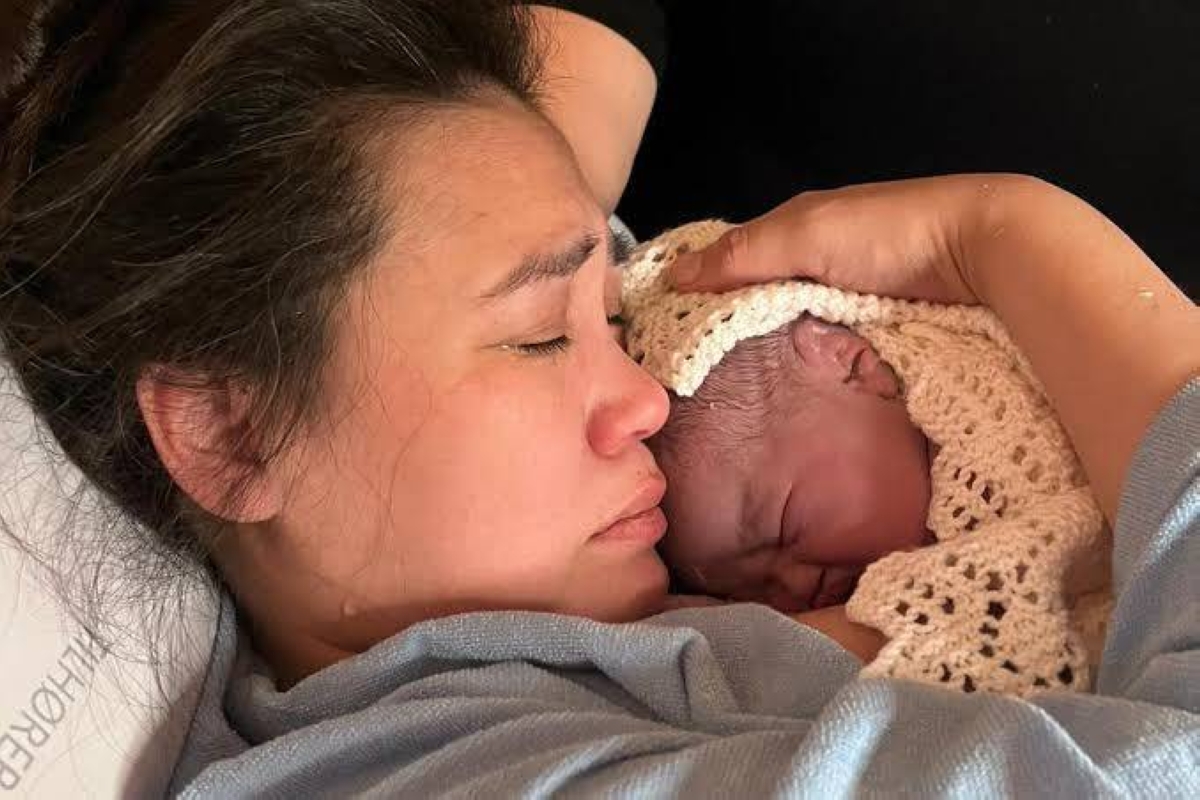
في حادثة أثارت جدلاً واسعاً، قامت السلطات الدنماركية بأخذ طفلة تبلغ من العمر ساعة واحدة فقط من والدتها الغرينلاندية، إيفانا نيكولين برونلوند، بعد إخضاعها لاختبارات «الكفاءة الأبوية» المثيرة للجدل، على الرغم من صدور قانون جديد يحظر استخدام هذه الاختبارات على الأشخاص من خلفيات غرينلاندية.
إيفانا، البالغة من العمر 18 عاماً، وُلدت في نوك بغرينلاند لأبوين غرينلانديين، وهي لاعبة في منتخب غرينلاند لكرة اليد، أنجبت ابنتها، أفياجا-لونا، في 11 أغسطس في مستشفى هفيدوفر بالقرب من كوبنهاغن، حيث تعيش مع عائلتها.
لكن بعد ساعة واحدة فقط من الولادة، قامت بلدية هويه-تاستروب المحلية بنقل الطفلة إلى الحضانة البديلة.
وتقول إيفانا، إنها لم ترَ ابنتها سوى مرة واحدة لمدة ساعة، ولم يُسمح لها بتهدئة الطفلة أو تغيير حفاضاتها.
اختبارات «الكفاءة الأبوية»، المعروفة باسم FKU، تم حظرها على الأشخاص من خلفيات غرينلاندية في وقت سابق من هذا العام بعد انتقادات طويلة من نشطاء وحقوقيين، الذين اعتبروها عنصرية لأنها غير مناسبة ثقافياً للأشخاص من خلفيات إنويت.
ورغم أن القانون دخل حيز التنفيذ في مايو، يتساءل النشطاء عن سبب إخضاع إيفانا لهذه الاختبارات.
وزيرة الشؤون الاجتماعية الدنماركية، صوفي هستورب أندرسن، أعربت عن قلقها إزاء الحادثة وطلبت من بلدية هويه-تاستروب توضيح طريقة تعاملها مع القضية.
وأكدت أن «الاختبارات الموحدة لا يجب أن تُستخدم في قضايا وضع الأطفال من عائلات غرينلاندية، فالقانون واضح».
وأثارت قضية إيفانا، احتجاجات في غرينلاند، مع خطط لتنظيم مظاهرات أخرى في نوك، كوبنهاغن، ريكيافيك، وبلفاست.
وكشفت إيفانا، أن السلطات أخبرتها بأن طفلتها أُخذت بسبب الصدمة التي عانت منها على يد والدها بالتبني، المسجون بتهمة الاعتداء الجنسي عليها.
وأبلغتها البلدية أنها ليست غرينلاندية بما فيه الكفاية لتطبيق القانون الجديد عليها، على الرغم من ولادتها في غرينلاند لأبوين غرينلانديين.
وبدأت السلطات المحلية الاختبارات في أبريل، بعد إعلان في يناير عن حظرها، وأكملت الاختبارات في يونيو، حين كان القانون قد دخل حيز التنفيذ، وأُبلغت إيفانا قبل ثلاثة أسابيع من الولادة بأن طفلتها ستُؤخذ منها.
فيما رفضت البلدية التعليق بسبب قيود السرية، لكنها اعترفت بوجود أخطاء في إجراءاتها، مؤكدة أنها تسعى لضمان الامتثال للمتطلبات القانونية للعائلة وإيجاد أفضل حل ممكن لهم.
وقالت إيفانا لصحيفة «الغارديان»: «لم أكن أرغب في الولادة لأنني كنت أعلم ماذا سيحدث بعد ذلك، كنت أحتفظ بطفلتي قريبة مني وهي في بطني، لأن ذلك كان أقرب ما يمكن أن أكون معها، كانت فترة قاسية ومروعة».
وأضافت أن لقاءها الأول بابنتها، الذي جرى هذا الأسبوع، قُطع مبكراً لأن الطفلة كانت متعبة ومرهقة.
وتابعت: «انكسر قلبي عندما أوقفت المشرفة الوقت، كنت حزينة جداً، بكيت حتى وصلت إلى السيارة وفي داخلها، كان كل شيء سريعاً للغاية»، وأردفت: «قلبي محطم، لا أعرف ماذا أفعل بدونها».
ويُسمح لإيفانا، برؤية طفلتها تحت الإشراف مرة كل أسبوعين لمدة ساعتين فقط، ومن المقرر النظر في استئنافها في 16 سبتمبر.
والدة إيفانا بالتبني، جيت، التي عاشت في غرينلاند حتى سن الـ37 وهي نصف غرينلاندية، قالت: «يبدو أنكِ غير مسموح لكِ بأن تعاني من صدمة إذا كنتِ ستصبحين أماً».
ودعا النشطاء الحكومة الدنماركية إلى اتخاذ إجراءات عاجلة لمساعدة إيفانا، وقالت ديدا بيبالوك ينسن، التي تنظم مظاهرة خارج السفارة الدنماركية في ريكيافيك في 18 سبتمبر: «الطريقة التي تُستخدم بها هذه الاختبارات على الغرينلانديين مروعة».
وكما نظم النشطاء احتجاجاً لدعم أم غرينلاندية أخرى، كيرا ألكسندرا كرونفولد، التي أُثيرت قضيتها ضجة عالمية بعد أن أخذت السلطات الدنماركية ابنتها زامي بعد ساعتين من ولادتها، وما زالتا مفصولتين.
وقالت بيبالوك ينسن عن قضية إيفانا: «أحد الأسباب التي ذكرتها البلدية لأخذ ابنتها هو الصدمة السابقة في حياة إيفانا، يبدو هذا ظالماً للغاية أن تُعاقب إيفانا على شيء ليس مسؤوليتها».
وكتبت ليلى بيرتلسن، مؤسسة جمعية MAPI التي تدعم الآباء من الإنويت في الدنمارك، إلى الوزيرة مطالبة بالتدخل العاجل، قائلة: «نحن نواجه فشلاً تجاه الطفلة ووالدتها، يتطلب تدخلاً سياسياً فورياً».
ومن المقرر أن تزور الوزيرة هستورب أندرسن غرينلاند في سبتمبر، وقالت إن أي بلدية تفكر في وضع طفل من خلفية غرينلاندية في الحضانة أو استخدام اختبارات FKU على عائلات غرينلاندية يجب أن تستخدم وحدة VISO المتخصصة بدلاً من ذلك.
In an incident that sparked widespread controversy, Danish authorities took a one-hour-old girl from her Greenlandic mother, Ivana Nicoline Brunlund, after subjecting her to controversial "parental competency" tests, despite a new law prohibiting the use of such tests on individuals from Greenlandic backgrounds.
Ivana, 18 years old, was born in Nuuk, Greenland, to Greenlandic parents. She is a player on the Greenland national handball team and gave birth to her daughter, Avyaja-Luna, on August 11 at Hvidovre Hospital near Copenhagen, where she lives with her family.
But just one hour after the birth, the local municipality of Høje-Taastrup transferred the baby to alternative care.
Ivana says she has only seen her daughter once for an hour and was not allowed to soothe the baby or change her diapers.
The "parental competency" tests, known as FKU, were banned for individuals from Greenlandic backgrounds earlier this year after long-standing criticism from activists and rights advocates, who deemed them racist as they are culturally inappropriate for individuals from Inuit backgrounds.
Although the law went into effect in May, activists are questioning why Ivana was subjected to these tests.
Danish Minister for Social Affairs, Sophie Hæstorp Andersen, expressed her concern over the incident and requested the Høje-Taastrup municipality to clarify its handling of the case.
She confirmed that "standardized tests should not be used in cases involving children from Greenlandic families; the law is clear."
Ivana's case has sparked protests in Greenland, with plans for further demonstrations in Nuuk, Copenhagen, Reykjavik, and Belfast.
Ivana revealed that authorities told her her child was taken due to the trauma she suffered at the hands of her adoptive father, who is imprisoned for sexually assaulting her.
The municipality informed her that she was not Greenlandic enough for the new law to apply to her, despite being born in Greenland to Greenlandic parents.
Local authorities began the tests in April, following an announcement in January about their ban, and completed the tests in June, when the law had already come into effect. Ivana was informed three weeks before her birth that her child would be taken from her.
While the municipality declined to comment due to confidentiality restrictions, it acknowledged that there were mistakes in its procedures, confirming that it seeks to ensure compliance with the legal requirements for the family and to find the best possible solution for them.
Ivana told The Guardian: "I didn’t want to give birth because I knew what would happen next. I kept my baby close to me while she was in my belly because that was as close as I could be with her. It was a harsh and terrifying time."
She added that her first meeting with her daughter, which took place this week, was cut short because the baby was tired and exhausted.
She continued: "My heart broke when the supervisor stopped the time. I was so sad, I cried all the way to the car and inside it. Everything was so fast," and added, "My heart is shattered; I don’t know what to do without her."
Ivana is allowed to see her daughter under supervision once every two weeks for only two hours, and her appeal is scheduled to be heard on September 16.
Ivana's adoptive mother, Jette, who lived in Greenland until the age of 37 and is half Greenlandic, said: "It seems you are not allowed to suffer trauma if you are going to become a mother."
Activists have called on the Danish government to take urgent action to help Ivana. Dida Bipaluk Jensen, who is organizing a protest outside the Danish embassy in Reykjavik on September 18, said: "The way these tests are used on Greenlanders is horrific."
Activists also organized a protest in support of another Greenlandic mother, Kira Alexandra Kronfold, whose case gained global attention after Danish authorities took her daughter Zami just two hours after her birth, and they are still separated.
Bipaluk Jensen said about Ivana's case: "One of the reasons the municipality gave for taking her daughter is the previous trauma in Ivana's life. This seems extremely unfair to punish Ivana for something that is not her responsibility."
Leila Bertelsen, founder of the MAPI Association that supports Inuit parents in Denmark, wrote to the minister requesting urgent intervention, stating: "We are facing a failure towards the child and her mother that requires immediate political intervention."
The minister, Hæstorp Andersen, is scheduled to visit Greenland in September and stated that any municipality considering placing a child from a Greenlandic background in care or using FKU tests on Greenlandic families should instead use the specialized VISO unit.