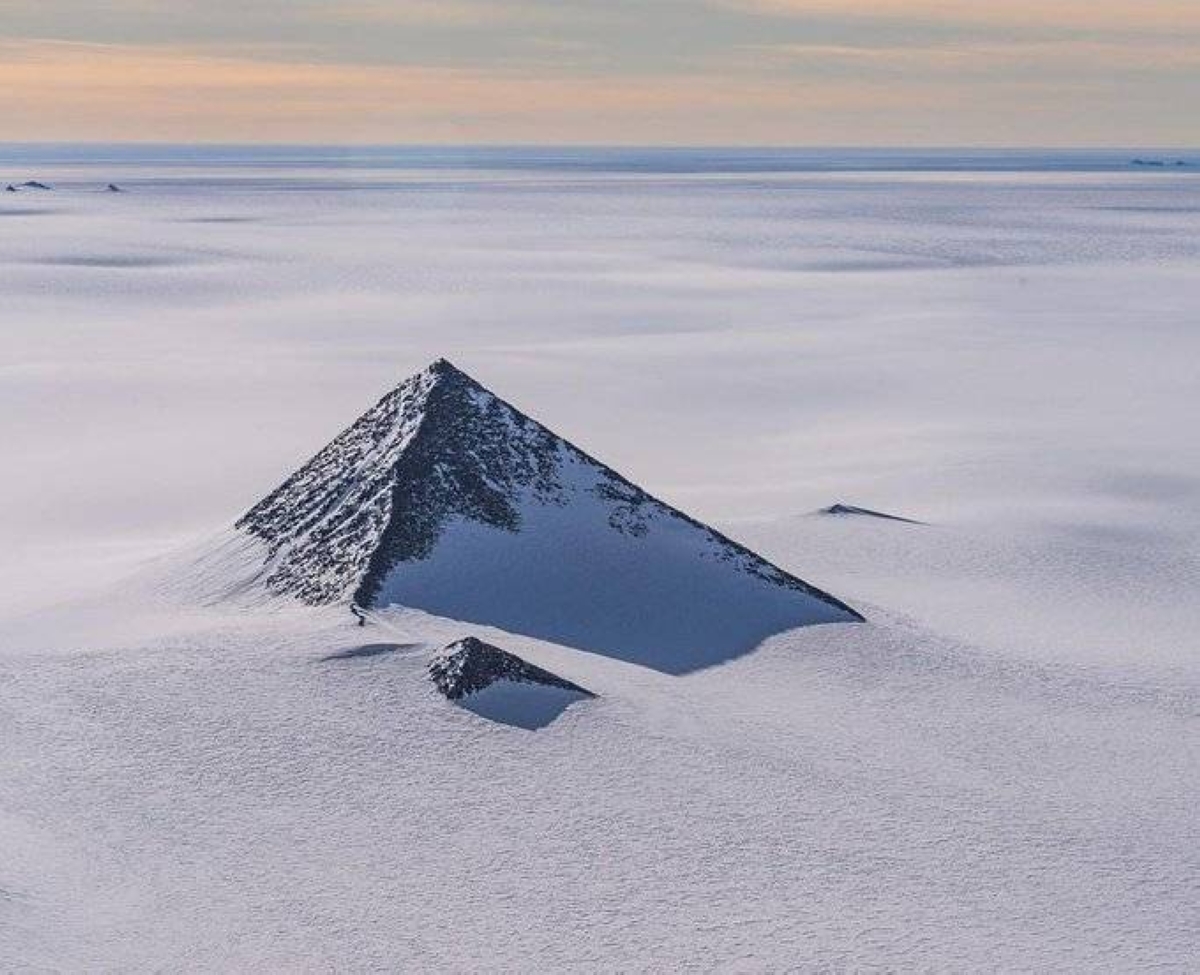
أصدر علماء تحذيرا عاجلا، من أن الغطاء الجليدي في غرب القارة القطبية الجنوبية يواجه خطر الانهيار الكارثي، مما قد يتسبب في ارتفاع مستوى سطح البحر بأكثر من ثلاثة أمتار، وهو تغيير لا يمكن السيطرة عليه.
الغطاء الجليدي الذي يمتد على مساحة نحو 760000 ميل مربع، يُعدّ من أضخم الكتل الجليدية على كوكبنا، لكنه يعاني من التدهور المستمر بسبب ارتفاع مستويات ثاني أكسيد الكربون في الغلاف الجوي.
وكشفت دراسة جديدة من الجامعة الوطنية الأسترالية، أن انهيار هذا الغطاء قد يغرق مدنا ساحلية بأكملها، مهددا أجيال المستقبل بعواقب وخيمة. ففي بريطانيا، مدن مثل هال، سكيجنيس، ميدلزبره، ونيوبورت قد تختفي تحت الماء، بينما ستغمر مساحات شاسعة في هولندا، ومدن مثل البندقية، مونبلييه، وجدانسك في أوروبا.
وأوضحت الدكتورة نيريلي أبرام، قائدة الدراسة، أن التغيرات السريعة تحدث بالفعل في جليد أنتاركتيكا ومحيطاتها وأنظمتها البيئية، وهي تزداد سوءا مع كل درجة إضافية من الاحترار العالمي.
وأشارت، إلى أن فقدان الجليد البحري يجعل الرفوف الجليدية العائمة أكثر هشاشة أمام الأمواج، ويؤدي إلى زيادة امتصاص الحرارة الشمسية، مما يفاقم الاحترار في المنطقة.
بدوره، حذر البروفيسور ماثيو إنجلاند، أحد الباحثين، من أن اختفاء الجليد البحري يهدد بقاء طيور البطريق الإمبراطورية، التي تعتمد صغارها على الجليد كموطن مستقر قبل اكتمال نمو ريشها المقاوم للماء.
وخلال السنوات الأخيرة، شهدت بعض مستعمرات البطاريق فشلا متكررا في التكاثر مما يعكس حجم الأزمة.
وأظهرت محاكاة من «كلايميت سنترال» لأبحاث التغيرات المناخية، أن ارتفاع مستوى البحر بهذا الحجم سيغمر الساحل الشرقي لإنجلترا بالكامل، بما في ذلك مدن داخلية مثل بيتربورو ولينكولن، وستتضرر أجزاء واسعة من لندن على ضفاف نهر التايمز.
أمّا على الساحل الغربي، ستغرق مناطق في ويستون سوبر ماري، نيوبورت، كارديف، ساوثبورت، وبلاكبول. بينما في أوروبا، قد يختفي الساحل من كاليه إلى جنوب الدنمارك، فيما ستتأثر مدن جنوب الولايات المتحدة بشدة.
ويؤكد الباحثون، على أن الحل الوحيد لتجنب هذه الكارثة هو تقليص انبعاثات غازات الاحتباس الحراري بسرعة للحد من الاحترار العالمي إلى ما يقارب 1.5 درجة مئوية. ويدعون الحكومات، الشركات، والمجتمعات إلى وضع خطط طويلة الأمد تأخذ هذه التغيرات بعين الاعتبار لمواجهة تداعيات تغير المناخ.
Scientists have issued an urgent warning that the ice sheet in West Antarctica is facing the risk of catastrophic collapse, which could cause sea levels to rise by more than three meters, a change that cannot be controlled.
The ice sheet, which spans an area of about 760,000 square miles, is one of the largest ice masses on our planet, but it is suffering from continuous deterioration due to rising levels of carbon dioxide in the atmosphere.
A new study from the Australian National University revealed that the collapse of this ice sheet could submerge entire coastal cities, threatening future generations with dire consequences. In Britain, cities like Hull, Skegness, Middlesbrough, and Newport could disappear underwater, while vast areas in the Netherlands and cities like Venice, Montpellier, and Gdańsk in Europe will be flooded.
Dr. Nerilie Abram, the study leader, explained that rapid changes are already occurring in Antarctica's ice and its surrounding ecosystems, worsening with every additional degree of global warming.
She pointed out that the loss of sea ice makes floating ice shelves more vulnerable to waves and leads to increased absorption of solar heat, exacerbating warming in the region.
For his part, Professor Matthew England, one of the researchers, warned that the disappearance of sea ice threatens the survival of emperor penguins, whose chicks rely on the ice as a stable habitat before their waterproof feathers fully develop.
In recent years, some penguin colonies have experienced repeated breeding failures, reflecting the scale of the crisis.
A simulation from "Climate Central" for climate change research showed that a sea level rise of this magnitude would completely submerge the eastern coast of England, including inland cities like Peterborough and Lincoln, and large parts of London along the River Thames would be affected.
On the west coast, areas in Weston-super-Mare, Newport, Cardiff, Southport, and Blackpool will be submerged. Meanwhile, in Europe, the coastline from Calais to southern Denmark may disappear, while cities in the southern United States will be severely impacted.
Researchers emphasize that the only solution to avoid this disaster is to rapidly reduce greenhouse gas emissions to limit global warming to around 1.5 degrees Celsius. They urge governments, businesses, and communities to develop long-term plans that take these changes into account to address the impacts of climate change.