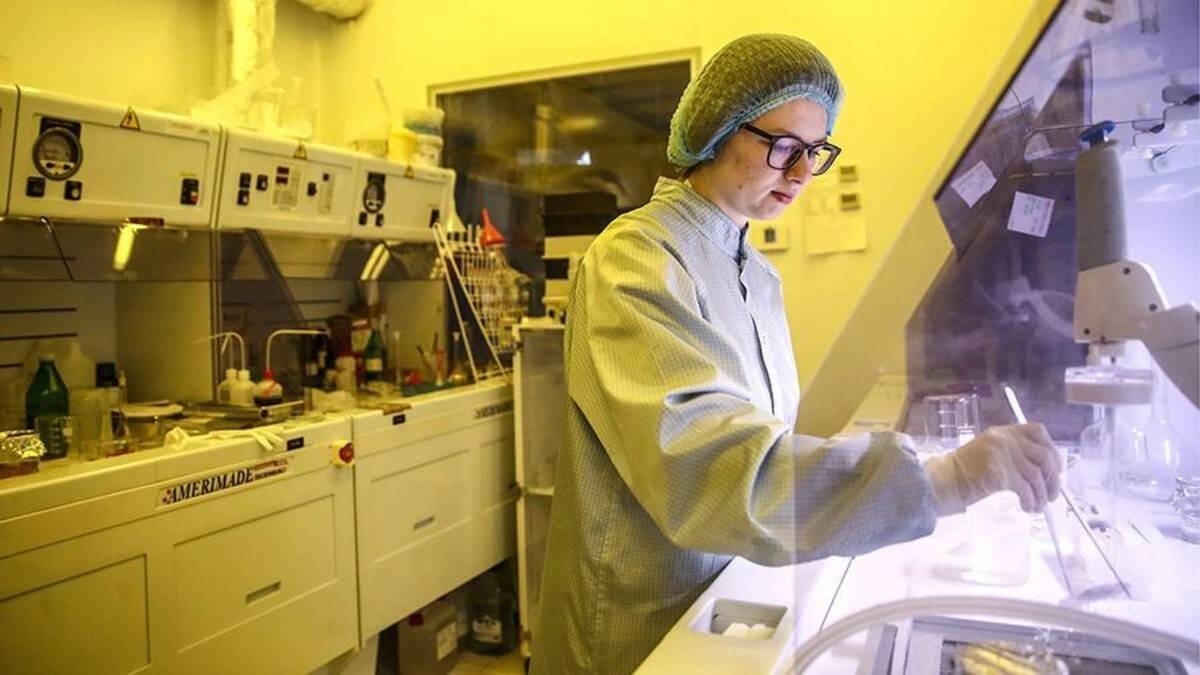
أعلن علماء من مختبر «فريزر» بجامعة كوينزلاند الأسترالية نجاحهم ولأول مرة في إنماء عينات جلد تحاكي الجلد البشري بشكل كامل.
وأوضح الباحثون أن التجربة اعتمدت على استخدام الخلايا الجذعية لإعادة تكوين الأوعية والشعيرات الدموية وبصيلات الشعر، إضافة إلى تشكيل طبقات متعددة من الأنسجة والخلايا المناعية، مشيرين إلى أن العينات الجديدة جاءت أكثر تكاملاً مقارنة بالمحاولات السابقة التي اقتصرت على نوع واحد من الخلايا وكانت أقل سماكة.
وقال مدير معهد فريزر البروفيسور كياراش خسروطهراني إن هذا الإنجاز يفتح آفاقاً جديدة لإيجاد علاجات لعدد من الأمراض النادرة التي تصيب الأطفال على وجه الخصوص.
ووفقاً لهيئة الإذاعة الأسترالية، تحتل ولاية كوينزلاند المرتبة الأولى عالمياً في معدلات الإصابة بسرطان الجلد، حيث يتم تشخيص أكثر من 3600 حالة جديدة سنوياً، ما يجعل هذا الاكتشاف العلمي ذا أهمية خاصة في مجال الصحة العامة.
ويعد الجلد أكبر أعضاء جسم الإنسان، إذ يقوم بوظائف أساسية أبرزها حماية الجسم من البكتيريا والجروح والأشعة فوق البنفسجية، إضافة إلى تنظيم درجة الحرارة ومنع فقدان الماء، ويتكون من 3 طبقات رئيسية هي: البشرة، والأدمة، واللحمة، ولكل منها وظائف متخصصة.
Scientists from the "Fraser" laboratory at the University of Queensland in Australia have announced their success, for the first time, in growing skin samples that fully mimic human skin.
The researchers explained that the experiment relied on using stem cells to reconstruct blood vessels, capillaries, and hair follicles, in addition to forming multiple layers of tissues and immune cells. They noted that the new samples are more complete compared to previous attempts that were limited to one type of cell and were thinner.
Professor Kiarash Khosroutahrani, the director of the Fraser Institute, stated that this achievement opens new horizons for finding treatments for a number of rare diseases that particularly affect children.
According to the Australian Broadcasting Corporation, Queensland ranks first in the world for skin cancer incidence rates, with more than 3,600 new cases diagnosed annually, making this scientific discovery particularly significant in the field of public health.
The skin is the largest organ of the human body, performing essential functions, most notably protecting the body from bacteria, wounds, and ultraviolet rays, as well as regulating temperature and preventing water loss. It consists of three main layers: the epidermis, dermis, and hypodermis, each with specialized functions.