


روبوتات تحمل وتلد.. جدل أخلاقي يتجدد
22 أغسطس 2025 - 00:04
|
آخر تحديث 22 أغسطس 2025 - 00:04


تابع قناة عكاظ على الواتساب
«عكاظ» (واشنطن) OKAZ_online@
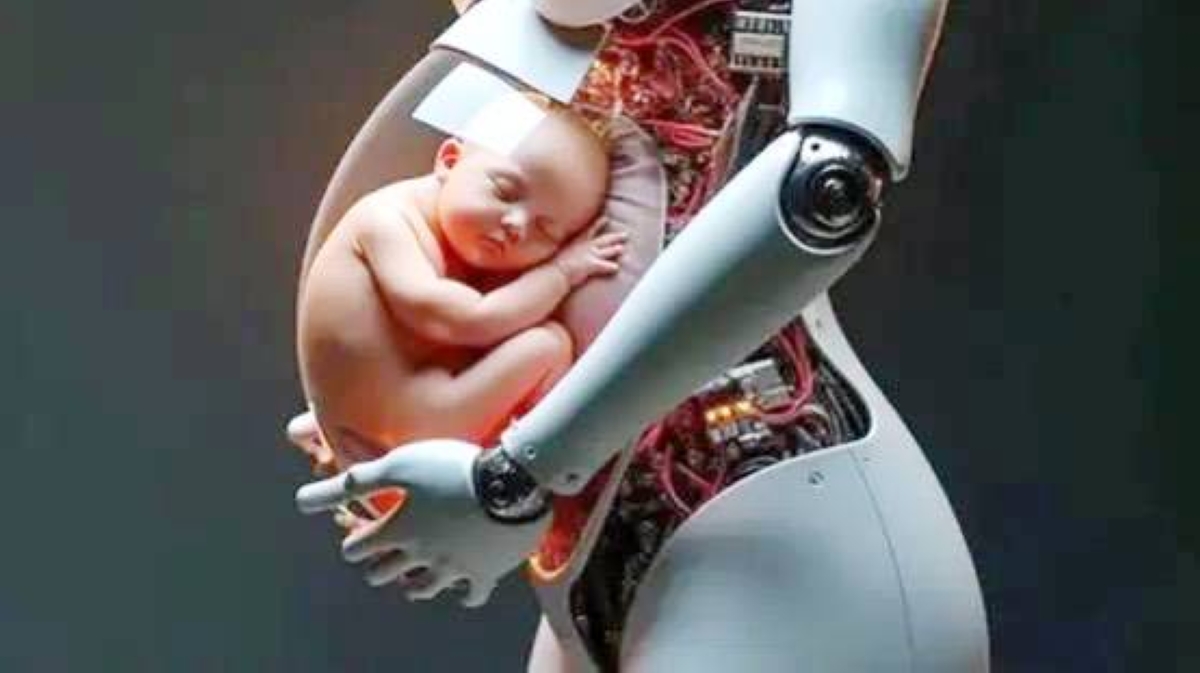
أثار ابتكار روبوت بقدرات «رحمٍ صناعي» قادر على محاكاة ظروف الحمل والولادة خارج جسد المرأة نقاشاً عالمياً واسعاً حول مستقبل الإنجاب وحدود التقنية. ويقوم الابتكار على منظومة حيوية- تقنية تضبط حرارة الوسط ونقل الأكسجين والمغذيات وتحاكي تقلّبات بيئة الرحم الطبيعية، بما يسمح بمتابعة مراحل تطور الجنين بدقة عالية. ويرى مؤيدون أن التقنية قد تمنح أملاً لعائلات يعوق المرضُ أو المخاطرُ الطبية حملَ الأم، كما قد تُفيد حالات الخداج الشديد التي تتطلب دعماً فسيولوجياً معقّداً. في المقابل، يحذّر مختصون في أخلاقيات الطب من انعكاسات اجتماعية وقانونية تمسُّ مفهوم الأمومة والولاية على الأجنّة وتوزيع المسؤوليات الطبية عند التعقيد أو الفشل. كما يلفت أطباء أجنّة إلى أن الأدلة السريرية على البشر لا تزال مبكرة للغاية، وأن نجاح محاكاة الحمل في نماذج حيوانية لا يضمن أمن التطبيق الإكلينيكي، ما يستدعي بروتوكولات صارمة للتجارب والرقابة. وتؤكد مراجعات علمية أن أي انتقال للتطبيق الإكلينيكي يستوجب تعريفات قانونية واضحة للطفل المولود اصطناعياً وآليات نسبه وحقوقه، إلى جانب أطر تنظيمية تحدد مسؤوليات الأطراف الطبية والتجارية. وفي خضم الجدل، تتفق الآراء الطبية على قاعدة حاكمة: الابتكار مرحّبٌ به حين يثبت الأمان والجدوى ويُصان به كرام الإنسان لا يُستغل. تفاصيل من التقرير العلمي ذي الصلة.
The innovation of a robot with "artificial womb" capabilities, capable of simulating the conditions of pregnancy and childbirth outside a woman's body, has sparked a wide global discussion about the future of reproduction and the limits of technology. The innovation is based on a bio-technical system that regulates the temperature of the environment and the transfer of oxygen and nutrients, simulating the fluctuations of the natural uterine environment, allowing for precise monitoring of the stages of fetal development. Supporters believe that the technology could offer hope to families for whom illness or medical risks hinder the mother's ability to carry a pregnancy, and it may also benefit cases of severe prematurity that require complex physiological support. On the other hand, specialists in medical ethics warn of social and legal implications that affect the concept of motherhood, guardianship over fetuses, and the distribution of medical responsibilities in cases of complications or failure. Fetal doctors also point out that clinical evidence on humans is still very early, and that the success of simulating pregnancy in animal models does not guarantee the safety of clinical application, necessitating strict protocols for trials and oversight. Scientific reviews confirm that any transition to clinical application requires clear legal definitions for artificially born children, mechanisms for their lineage and rights, along with regulatory frameworks that define the responsibilities of medical and commercial parties. Amid the debate, medical opinions agree on a governing principle: innovation is welcome when it proves safe and effective and upholds human dignity rather than exploiting it. Details from the related scientific report.


