


«نبتة خضراء» زهيدة الثمن تقلّص مخاطر السرطان والضغط
22 أغسطس 2025 - 00:04
|
آخر تحديث 22 أغسطس 2025 - 00:04


تابع قناة عكاظ على الواتساب
«عكاظ» (جدة) OKAZ_online@
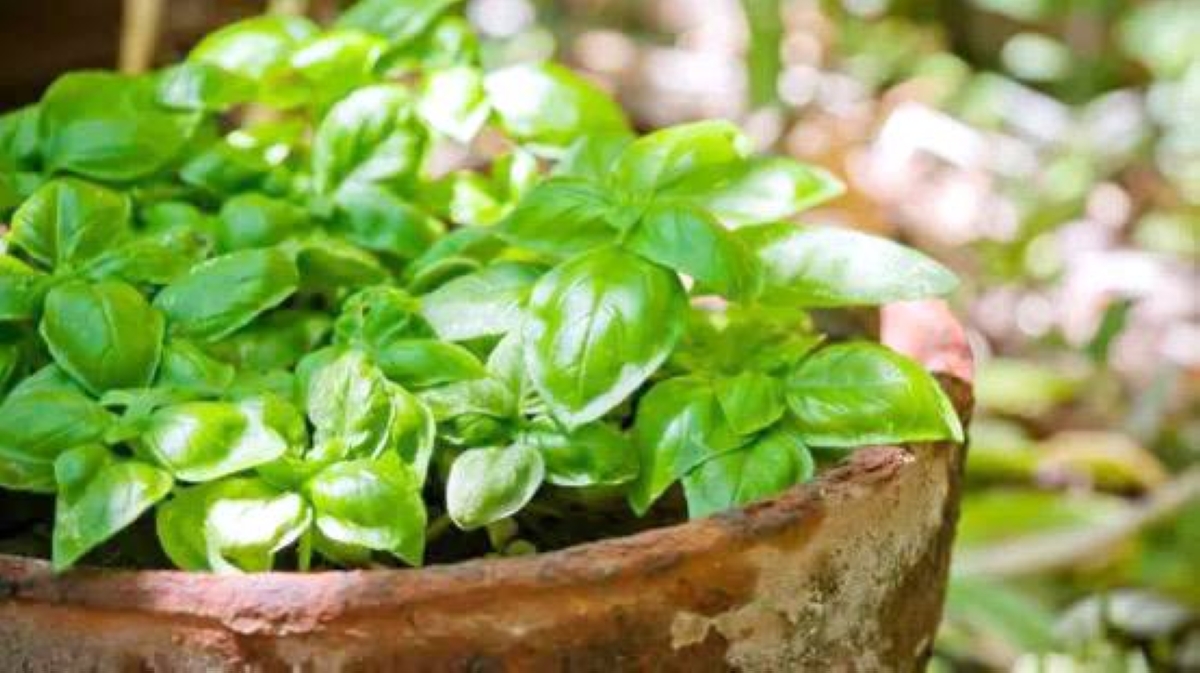
نقل تقرير نشرته صحيفة (Metro) البريطانية عن أطباء وأخصائيي تغذية، تأكيدهم أن نبات الريحان يُمكن أن يحمي جسم الإنسان من مرض السرطان كما يحافظ على توازن ضغط الدم. وأشارت تقارير صحية إلى أن النبتة الخضراء شائعة ورخيصة متوافرة في الأسواق قد تحمل مزيجاً من المركبات النباتية القادرة على تقليص مخاطر أنواعٍ من السرطان وخفض ضغط الدم المرتفع. وبحسب ما أوضحه خبراء تغذية في عرضٍ علمي تناول خصائص النبتة المضادة للأكسدة ومحتواها من العناصر الدقيقة، يُعزى الأثر الوقائي إلى تعطيل الجذور الحرة، وتعزيز توازن أكسيد النتريك الذي يدعم ارتخاء الأوعية، وزيادة وفرة الألياف الذائبة التي تُحسن دهون الدم. وتلفت الإفادات إلى أن إدراج النبتة ضمن النظام اليومي -طازجة في السلطات، أو مطهوة بخفة، أو ضمن عصائر خضراء- يرتبط بانخفاض قراءات الضغط لدى البالغين، وبمؤشرات حيوية أفضل للصحة القلبية. ويحذّر اختصاصيون من الإفراط في الاعتماد على «مأكولٍ واحد» ويؤكدون أن التأثير الأعظم يظهر ضمن نمطٍ غذائي متوازن ونشاط بدني منتظم. كما يُنبهون من تداخلات دوائية محتملة لدى مرضى يتناولون مميّعات الدم أو أدوية الضغط، ما يستلزم استشارة طبية قبل تعديل الحمية. وتدعو التوصيات إلى الاستفادة من وفرة «الأغذية الوظيفية» زهيدة الكلفة في منطقتنا، بوصفها خط دفاع أول ميسوراً للوقاية على المدى الطويل.
A report published by the British newspaper (Metro) quoted doctors and nutrition specialists confirming that basil can protect the human body from cancer and maintain blood pressure balance. Health reports indicated that this common and inexpensive green plant available in markets may carry a mix of plant compounds capable of reducing the risks of certain types of cancer and lowering high blood pressure. According to what nutrition experts explained in a scientific presentation discussing the plant's antioxidant properties and its micronutrient content, the protective effect is attributed to the disruption of free radicals, the enhancement of nitric oxide balance that supports vessel relaxation, and the increased abundance of soluble fibers that improve blood fats. The statements highlight that incorporating the plant into the daily diet—fresh in salads, lightly cooked, or in green juices—is associated with lower blood pressure readings in adults and better biomarkers for heart health. Specialists warn against over-relying on a "single food" and emphasize that the greatest effect is seen within a balanced diet and regular physical activity. They also caution about potential drug interactions for patients taking blood thinners or blood pressure medications, which necessitates medical consultation before modifying the diet. Recommendations call for taking advantage of the abundance of low-cost "functional foods" in our region as an affordable first line of defense for long-term prevention.


