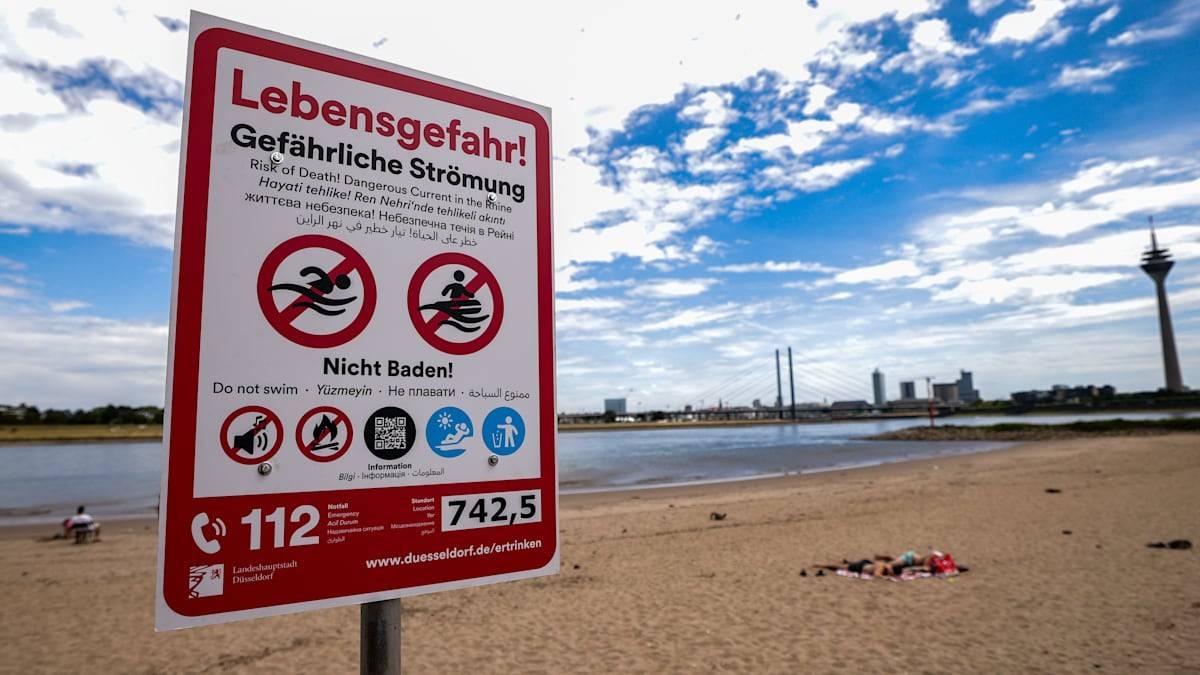
لجأت شرطة ولاية شمال الراين ويستفاليا الألمانية إلى إستراتيجية غير تقليدية لتحذير المواطنين من مخاطر السباحة في نهر الراين، من خلال نشر صور صادمة على منصات التواصل الاجتماعي تُظهر جثث ضحايا الغرق ومشاهد مروعة لعمليات الإنقاذ، بعد تسجيل عدة حوادث غرق مأساوية في النهر خلال الصيف الجاري، حيث أودت الأمواج القوية والدوامات بحياة عدد من الأشخاص، بمن في ذلك شابة تبلغ من العمر 17 عاما واختفاء مراهقين آخرين.
وأوضحت شرطة المياه في دوسلدورف أن الصور، التي أثارت جدلا واسعا بين مستخدمي منصة «إكس»، تهدف إلى إبراز المخاطر الخفية لنهر الراين، مثل التيارات القوية التي تصل سرعتها إلى 6-8 كيلومترات في الساعة، والدوامات غير المرئية التي تتشكل بين الحواجز النهرية، والتغيرات المفاجئة في مستوى المياه بسبب حركة السفن التجارية الكبيرة.
وأكد أوليفر أوستندارب، من الجمعية الألمانية لإنقاذ الأرواح، أن «الراين ليس مكانا للسباحة، حتى بالنسبة للسباحين المحترفين، حيث يمكن للدوامات والتيارات أن تجرف حتى الأقوى» حيث تضمنت الحملة، التي أطلقتها شرطة شمال الراين ويستفاليا مقاطع فيديو وصورا تُظهر عمليات إنقاذ فاشلة وحالات غرق، مع تحذيرات واضحة مثل: «لا تقفز في الراين لإنقاذ أحد، فهذا قد يكلفك حياتك».
كما دعت الحملة إلى الاتصال برقم الطوارئ 112 واستخدام عوامات الإنقاذ المتوفرة على ضفاف النهر بدلا من المخاطرة بالغوص، وأثارت الصور ردود فعل متباينة، واعتبرها البعض «ضرورية لإيصال الرسالة»، بينما وصفها آخرون بأنها «صادمة بشكل مفرط» و«حساسة» تجاه أهالي الضحايا.
تأتي هذه الحملة في ظل ارتفاع درجات الحرارة الصيفية في ألمانيا، التي دفعت العديد من السكان إلى البحث عن الراحة بالقرب من الأنهار، غير مدركين للمخاطر، وأكدت الشرطة أنها ستواصل استخدام وسائل التواصل الاجتماعي لتعزيز الوعي العام، مع خطط لتوسيع الحملة لتشمل أنهارا أخرى في المنطقة مثل الرور والإمس.
وفي تصريح رسمي، أشار متحدث باسم شرطة دوسلدورف إلى أن الهدف هو «إنقاذ الأرواح من خلال مواجهة الناس بالحقيقة القاسية لمخاطر السباحة في الراين»، حيث تشير إحصاءات الجمعية الألمانية لإنقاذ الأرواح إلى أن عشرات الأشخاص يلقون حتفهم سنويا في الراين بسبب الغرق، وتُسجل حوادث متكررة خلال موجات الحر الصيفية.
ويُعد نهر الراين، الذي يمتد لأكثر من 1230 كيلومترا من جبال الألب السويسرية إلى بحر الشمال، أحد أكثر الأنهار ازدحاما في أوروبا، حيث يحمل حوالى 30% من البضائع المنقولة عبر الممرات المائية في ألمانيا، في ولاية شمال الراين ويستفاليا، يمر الراين عبر مدن كبرى مثل كولونيا ودوسلدورف ودويسبورغ، وهي مناطق مكتظة بالسكان والصناعات، ومع ذلك، فإن التيارات القوية، والدوامات، والتغيرات المفاجئة في مستوى المياه بسبب حركة السفن الكبيرة تجعل السباحة في النهر محفوفة بالمخاطر.
وتعتبر شرطة المياه في شمال الراين ويستفاليا، التي تتخذ من دويسبورغ مقرا رئيسيا، مسؤولة عن مراقبة أكثر من 900 كيلومتر من الممرات المائية، بما في ذلك الراين والروهر، حيث تمتلك الشرطة 24 قاربا وتعمل على مدار الساعة لضمان السلامة والتصدي لحوادث الغرق أو الحوادث المرتبطة بالشحن.
The police in the German state of North Rhine-Westphalia have resorted to an unconventional strategy to warn citizens about the dangers of swimming in the Rhine River, by posting shocking images on social media platforms that show the bodies of drowning victims and horrific scenes of rescue operations, following several tragic drowning incidents in the river during the current summer, where strong waves and whirlpools have claimed the lives of several individuals, including a 17-year-old girl and the disappearance of other teenagers.
The water police in Düsseldorf explained that the images, which sparked widespread controversy among users of the "X" platform, aim to highlight the hidden dangers of the Rhine River, such as strong currents that can reach speeds of 6-8 kilometers per hour, invisible whirlpools that form between river barriers, and sudden changes in water levels due to the movement of large commercial vessels.
Oliver Ostendarp from the German Lifesaving Association confirmed that "the Rhine is not a place for swimming, even for professional swimmers, as whirlpools and currents can sweep away even the strongest," noting that the campaign launched by the North Rhine-Westphalia police included videos and images showing failed rescue attempts and drowning incidents, with clear warnings such as: "Do not jump into the Rhine to save someone; it could cost you your life."
The campaign also urged people to call the emergency number 112 and use the available rescue buoys along the river instead of risking diving in, and the images elicited mixed reactions, with some considering them "necessary to convey the message," while others described them as "excessively shocking" and "sensitive" towards the families of the victims.
This campaign comes amid rising summer temperatures in Germany, which have driven many residents to seek relief near rivers, unaware of the dangers. The police confirmed that they will continue to use social media to raise public awareness, with plans to expand the campaign to include other rivers in the region such as the Ruhr and the Ems.
In an official statement, a spokesperson for the Düsseldorf police indicated that the goal is "to save lives by confronting people with the harsh reality of the dangers of swimming in the Rhine," as statistics from the German Lifesaving Association show that dozens of people die annually in the Rhine due to drowning, with recurring incidents recorded during summer heatwaves.
The Rhine River, which extends over 1,230 kilometers from the Swiss Alps to the North Sea, is one of the busiest rivers in Europe, carrying about 30% of the goods transported via waterways in Germany. In North Rhine-Westphalia, the Rhine passes through major cities such as Cologne, Düsseldorf, and Duisburg, which are densely populated and industrial areas. However, strong currents, whirlpools, and sudden changes in water levels due to the movement of large vessels make swimming in the river perilous.
The water police in North Rhine-Westphalia, based in Duisburg, are responsible for monitoring over 900 kilometers of waterways, including the Rhine and the Ruhr, where the police operate 24 boats and work around the clock to ensure safety and respond to drowning incidents or shipping-related accidents.