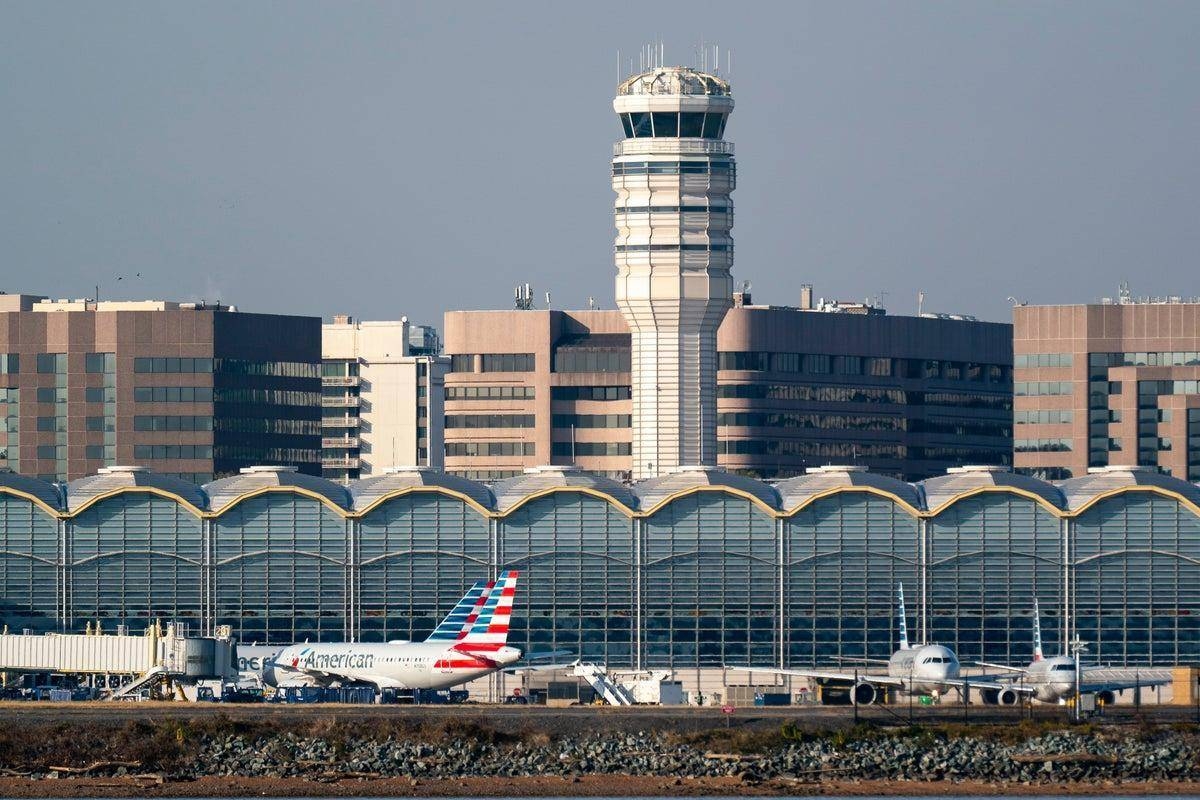
شهد مطار رونالد ريغان الوطني في منطقة واشنطن العاصمة توقفا كاملا لحركة الطيران صباح أمس (الإثنين)، بعد أن أدى إنذار حريق في برج المراقبة الجوية إلى تعليق جميع العمليات الجوية.
وأفادت إدارة الطيران الفيدرالية الأمريكية بأن الإنذار تسبب في إيقاف الرحلات الجوية من وإلى المطار بين الساعة 10:45 صباحا وحتى منتصف النهار، ما أدى إلى تأخيرات كبيرة وصلت في المتوسط إلى 39 دقيقة بسبب الازدحام الناتج عن التوقف.
ووفقا لبيان صادر عن إدارة الطيران الفيدرالية، تم إخلاء برج المراقبة الجوية كإجراء احترازي بعد تفعيل إنذار الحريق، دون أن يُذكر ما إذا تم العثور على حريق فعلي، واستؤنفت العمليات في البرج بحلول الساعة 12:00 ظهرا، مع استمرار تأخيرات الرحلات بسبب كثافة حركة الطيران.
وأشار موقع تتبع الرحلات «FlightAware» إلى تأخير 173 رحلة متجهة إلى مطار ريغان الوطني نتيجة الحادثة، ولم يتم الإبلاغ عن أي إصابات، ولم تؤثر الحادثة على سلامة الركاب، لكنها أعادت إلى الأذهان مخاوف متزايدة بشأن سلامة الطيران في المطار، خصوصا بعد الحادث المأساوي في يناير الماضي.
وشهدت الولايات المتحدة مطلع العام الجاري حادث طيران مأساويا عندما اصطدمت طائرة ركاب تابعة لشركة أمريكان إيرلاينز بمروحية عسكرية من طراز بلاك هوك فوق نهر بوتوماك، ما أسفر عن مقتل 67 شخصا في أسوأ كارثة طيران في الولايات المتحدة منذ 2001.
وأثارت الحادثة نقاشا على منصة «إكس» حول سلامة العمليات في مطار ريغان الوطني، وكتب أحد المستخدمين: «إنذار حريق في برج المراقبة؟ هذا المطار يحتاج إلى تدقيق شامل بعد كل المشاكل الأخيرة!»، فيما طالب آخرون بتحسينات في إدارة حركة الطيران، مشيرين إلى أن ازدحام الأجواء حول واشنطن يشكل خطرا مستمرا.
ويعد مطار رونالد ريغان الوطني، الواقع في أرلينغتون بولاية فرجينيا عبر نهر بوتوماك من العاصمة واشنطن، أحد أكثر المطارات ازدحاما في المنطقة، وشهد أكثر من 23,000 عملية طيران شهريا في 2024، بمتوسط 812 عملية يوميا، وخدم أكثر من 24 مليون مسافر بين يناير ونوفمبر 2024، وفقا لهيئة مطارات واشنطن الحضرية.
ويواجه المطار تحديات كبيرة تتعلق بازدحام المجال الجوي، إذ تشترك الطائرات التجارية والمروحيات العسكرية في الأجواء نفسها، ما يزيد من تعقيد إدارة حركة الطيران. وفي يناير 2025، كشف تقرير أولي لإدارة الطيران الفيدرالية عن نقص في عدد مراقبي الحركة الجوية في برج المراقبة أثناء كارثة الاصطدام بين طائرة ركاب ومروحية عسكرية، إذ كان مراقب واحد فقط مسؤولا عن إدارة كل من الطائرات والمروحيات، بينما يتطلب المعتاد وجود مراقبين منفصلين.
Ronald Reagan National Airport in the Washington, D.C. area experienced a complete halt in air traffic yesterday morning (Monday), after a fire alarm in the air traffic control tower led to the suspension of all flight operations.
The Federal Aviation Administration (FAA) reported that the alarm caused flights to and from the airport to be stopped between 10:45 AM and noon, resulting in significant delays averaging 39 minutes due to the congestion caused by the halt.
According to a statement from the FAA, the air traffic control tower was evacuated as a precautionary measure after the fire alarm was activated, without mentioning whether an actual fire was found. Operations in the tower resumed by noon, although flight delays continued due to the high volume of air traffic.
Flight tracking website FlightAware indicated that 173 flights heading to Reagan National Airport were delayed as a result of the incident, with no injuries reported and the incident not affecting passenger safety. However, it raised increasing concerns about aviation safety at the airport, especially after the tragic incident last January.
The United States witnessed a tragic aviation incident earlier this year when an American Airlines passenger plane collided with a military Black Hawk helicopter over the Potomac River, resulting in the deaths of 67 people in the worst aviation disaster in the U.S. since 2001.
The incident sparked a discussion on the platform “X” regarding the safety of operations at Reagan National Airport, with one user writing: “A fire alarm in the control tower? This airport needs a thorough audit after all the recent problems!” while others called for improvements in air traffic management, noting that congestion in the skies around Washington poses a continuous danger.
Ronald Reagan National Airport, located in Arlington, Virginia, across the Potomac River from Washington, D.C., is one of the busiest airports in the region, with over 23,000 flight operations monthly in 2024, averaging 812 operations daily, and serving more than 24 million passengers between January and November 2024, according to the Metropolitan Washington Airports Authority.
The airport faces significant challenges related to airspace congestion, as commercial aircraft and military helicopters share the same airspace, complicating air traffic management. In January 2025, a preliminary report from the FAA revealed a shortage of air traffic controllers in the control tower during the collision disaster between a passenger plane and a military helicopter, with only one controller responsible for managing both aircraft and helicopters, whereas typically separate controllers are required.